The trick is old, but it still works remarkably well. Below are three cases where novelists claimed real events, real documents, or real organizations stood behind their stories, when in fact the whole thing was fabricated from start to finish.
1. Robinson Crusoe’s “just history of fact”

When Daniel Defoe published his 1719 castaway tale, he did not credit himself as the author. Instead, the book’s title page presented Robinson Crusoe as a real mariner recounting his own life, and an editor’s preface went even further, insisting the editor believed the thing to be a just history of fact, with no appearance of fiction in it. Readers at the time, especially Defoe’s Puritan-leaning audience who distrusted invented stories, took this claim seriously.
The truth was far less tidy. Defoe loosely drew on the real experiences of Alexander Selkirk, a Scottish sailor marooned near Chile, but recast him as a more malleable protagonist who never actually existed. When critics later accused Defoe of lying to his readers, he doubled down rather than admit fault, arguing in a follow-up preface that even where invention appeared, the story’s moral application made it essentially true. It is a strange kind of defense, admitting the seams while insisting the fabric still counts as fact.
2. Dracula’s sworn-true documents
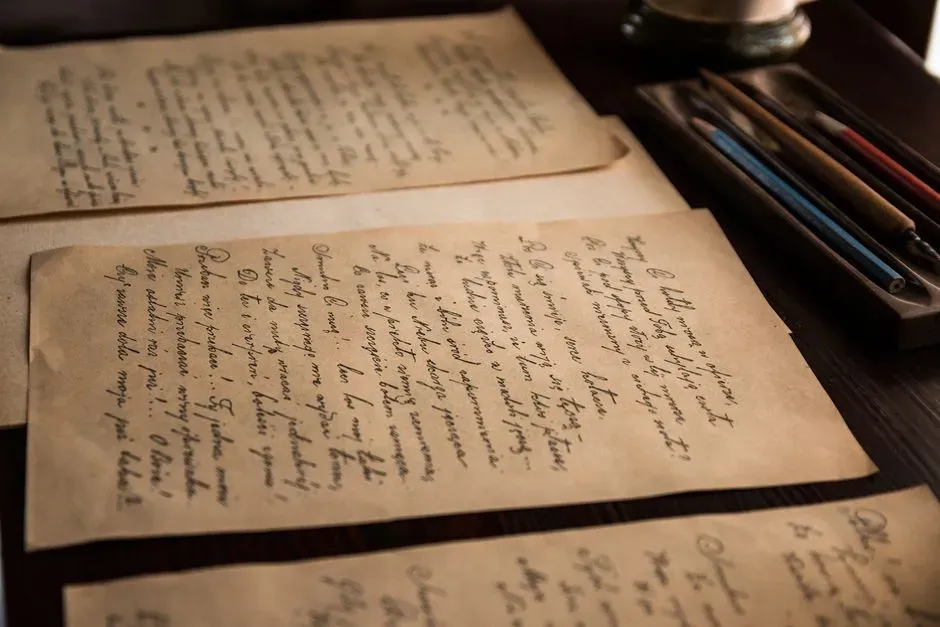
Bram Stoker built his 1897 vampire novel entirely out of fictional letters, diary entries, and newspaper clippings, and he wanted readers to believe every scrap of it was genuine. In his author’s note, Stoker assured readers that all needless matters had been eliminated so that a history almost at variance with later day belief could stand forth as simple fact, since all the records chosen were exactly contemporary. It was a carefully engineered illusion of authenticity, built sentence by sentence.
Stoker pushed the claim even harder in an early preface that surfaced later in an Icelandic edition of the novel, where he wrote plainly that he was quite convinced there was no doubt whatever that the events described really took place, however unbelievable they might appear. None of it was true, of course. The technique was not even original to Stoker, since Daniel Defoe had claimed Robinson Crusoe was a true story nearly two centuries earlier, and Samuel Richardson had claimed Pamela was a compilation of real letters. Stoker simply refined a trick that already had a long literary history behind it.
3. The Da Vinci Code’s “Fact” page
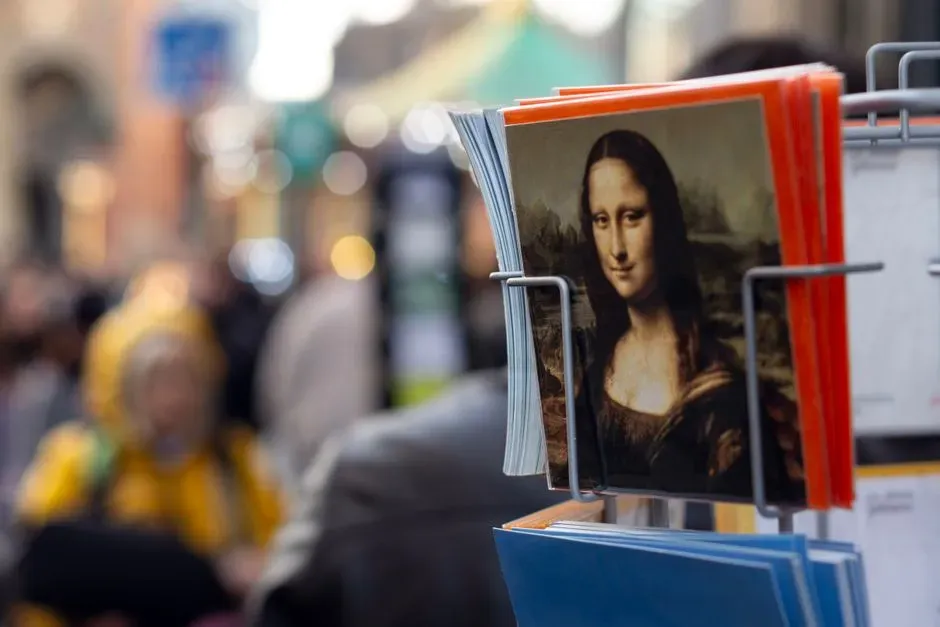
Dan Brown’s 2003 thriller opens with a page labeled simply “Fact,” and its very first line makes a startling claim about a secretive brotherhood. It states that the Priory of Sion, a European secret society founded in 1099, is a real organization, supposedly with a documented list of grand masters that included Leonardo da Vinci and Isaac Newton. It reads like a footnote, but it functions as the entire foundation for the novel’s central conspiracy.
In reality, the Priory of Sion traces back not to medieval Crusaders but to a French conman named Pierre Plantard, who founded the group after a failed attempt to create a prestigious neo-chivalric order, claiming his club was a reboot of a VIP group started by a knight from the Crusades. To make the story stick, Plantard planted false documents in the Bibliothèque Nationale de France and forged medieval parchments with encrypted references to the Priory. Investigators and historians who later examined the paper trail were blunt about what they found, with one researcher stating outright that everything Plantard and others claimed about the Priory’s grand masters, including Leonardo da Vinci, was sheer invention. Brown’s “Fact” page simply inherited a hoax that had already been thoroughly debunked in French courts decades before his novel ever hit shelves.
These three examples span nearly three centuries, yet they share the same basic move: borrowing the authority of nonfiction to make a story land harder. Whether it worked through a fake editor’s letter, a sworn author’s note, or a single bolded word on an opening page, the effect was the same. Readers believed, at least for a while, that they were holding history rather than invention, and in each case that belief turned out to be the most fictional part of the book.
3 ‘Real Events’ in Famous Novels That Were Completely Invented