Every classic album feels inevitable once it exists. You hear the opening bars and it seems obvious that the record had to turn out exactly the way it did. Yet behind almost every landmark release sits a moment so fragile that a single decision, a single sound, or a single flash of doubt could have erased the whole thing before anyone ever heard it.
Sometimes that moment really was as small as one note. In vinyl mastering, engineers still talk about how a single uncontrolled low frequency can threaten an entire side of a record. One mastering veteran described exactly this scenario, recalling a session where that one uncontrolled bass note forces an single overcut of the groove at an overall healthy level. That kind of technical near miss is real, and it is a useful way into a bigger truth about music history: some of the most beloved albums ever made came within a hair’s breadth of never reaching a turntable at all.
When a Single Groove Almost Wins the Fight
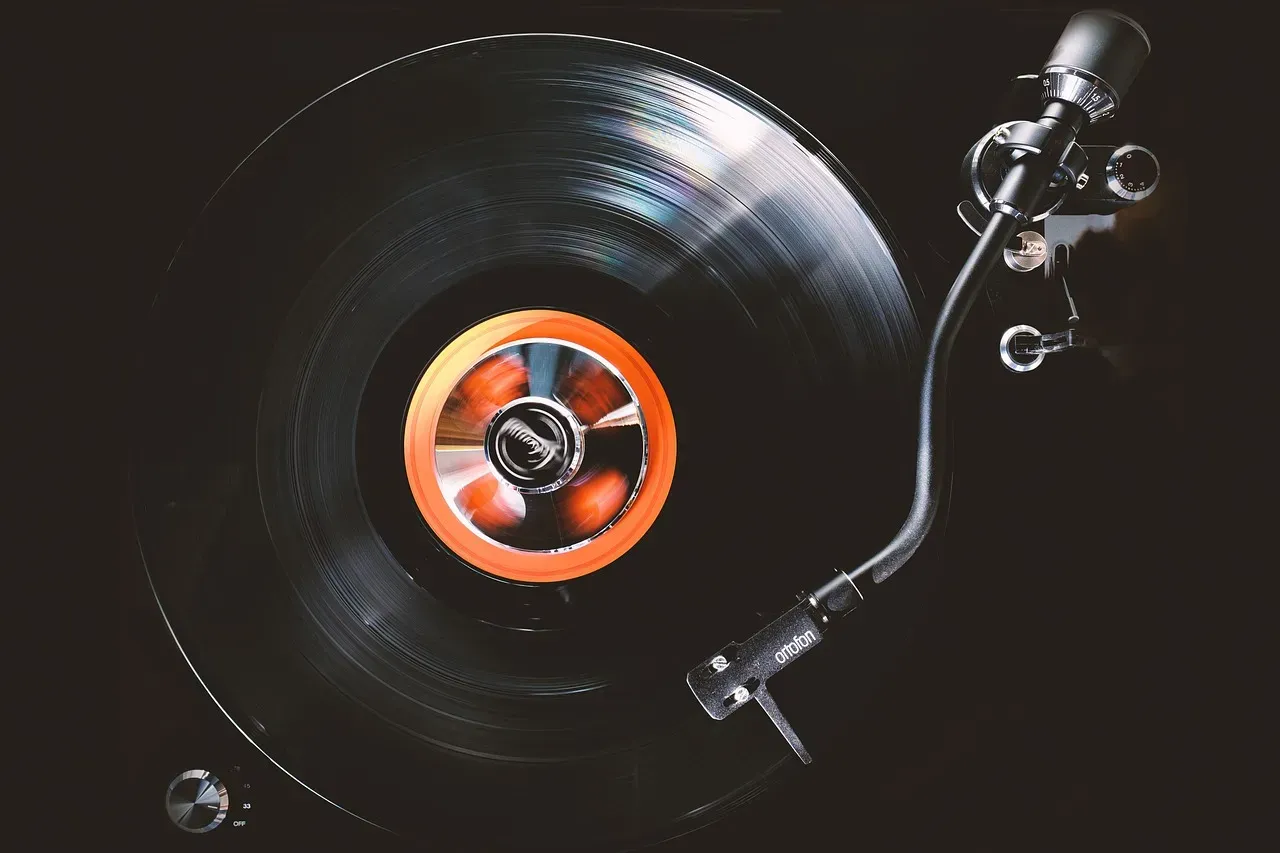
Cutting a record to vinyl is a physical process, not just a digital one. A stylus has to carve a continuous groove into lacquer, and if one frequency spikes too hard, the whole side can become unplayable or force an engineer to cut everything else quieter just to compensate. As one experienced cutting engineer put it, an unruly low note can force an single overcut of the groove at an overall healthy level, the same with a lot of classical music.
That single detail explains why mastering engineers obsess over bass management long before an album ever reaches a pressing plant. Guides on the subject consistently warn that if you send a hyper-compressed digital master to a vinyl lathe, expect distortion, groove skipping, and compromised sound quality. In other words, the difference between a smooth release and a scrapped pressing run can genuinely come down to how one note behaves under a needle.
Marvin Gaye and the Note Nobody at Motown Wanted to Hear

Few stories capture executive resistance better than Marvin Gaye’s fight to release “What’s Going On.” When Motown founder Berry Gordy first heard the title track, his reaction was blunt. He reportedly called it “the worst thing I ever heard in my life” and later admitted to ABC News Radio that he found the record too political and not commercial enough for the label’s brand.
Gaye pushed anyway, and inside Motown almost nobody backed him except one executive. According to reporting on the episode, Gaye was determined to release what he regarded as some of his best work, but there was only one executive at Motown that agreed with him: Harry Balk. Balk went around Gordy’s authority entirely, and actually had 100,000 copies of the single released to radio stations without Gordy’s permission. The gamble paid off almost immediately, since the song quickly became one of Motown’s fastest sellers, forcing Gordy to reverse course on an album that is now considered one of the greatest soul records ever made.
Prince and the Album He Pulled Days Before Release
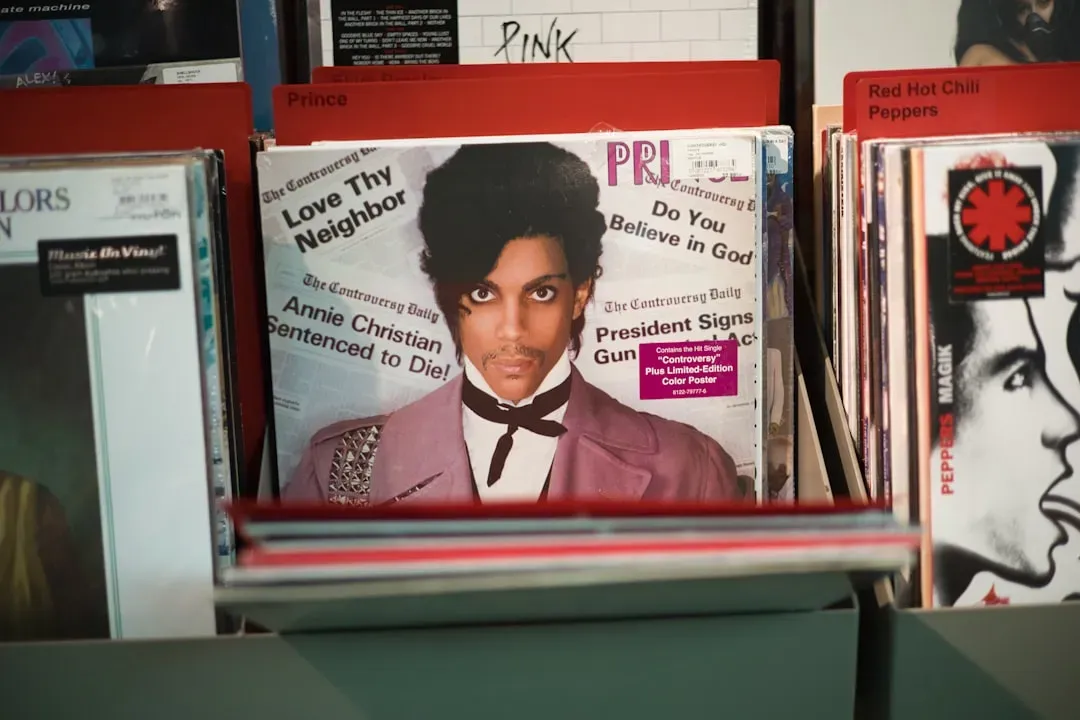
Few withdrawals in music history are as dramatic as what happened with Prince’s so-called Black Album. After the commercial disappointment of “Sign O’ the Times,” Prince assembled a stripped-down, funk-driven record that insiders nicknamed The Funk Bible. It was scheduled and ready to go, with a December 1987 release already set, about 100 promotional pressings sent out, and half a million records already pressed before Prince suddenly pulled it just days ahead of schedule.
The reason wasn’t a technical flaw or a label dispute but something closer to a personal reckoning. Reporting on the episode describes his decision to pull the album stemming from an epiphany involving God, though he wouldn’t elaborate much beyond noting that he suddenly realized life could end at any moment. The album eventually leaked and became one of the most famous bootlegs in music history before Prince officially released it years later, but for a moment it genuinely looked like it might never exist in any legitimate form.
Fiona Apple’s Third Album Almost Never Escaped the Vault

Sometimes the threat to an album comes not from the artist but from the people paying for it. Fiona Apple spent years working on what would become “Extraordinary Machine,” only to watch her label stall. Producer Jon Brion eventually confirmed in an interview that the label had shelved the album because they didn’t hear any “obvious singles”, a decision that left fans furious once word got out.
What makes this story unusual is how the public forced the issue. After Apple’s fan base grew livid and the unreleased songs leaked online, fans began an organized pressure campaign demanding the label release the record. Apple ultimately re-recorded much of the material with new producers, and the finished album finally reached shelves in 2005, years after it was first expected.
Kurt Cobain Almost Threw Away Nirvana’s Signature Song
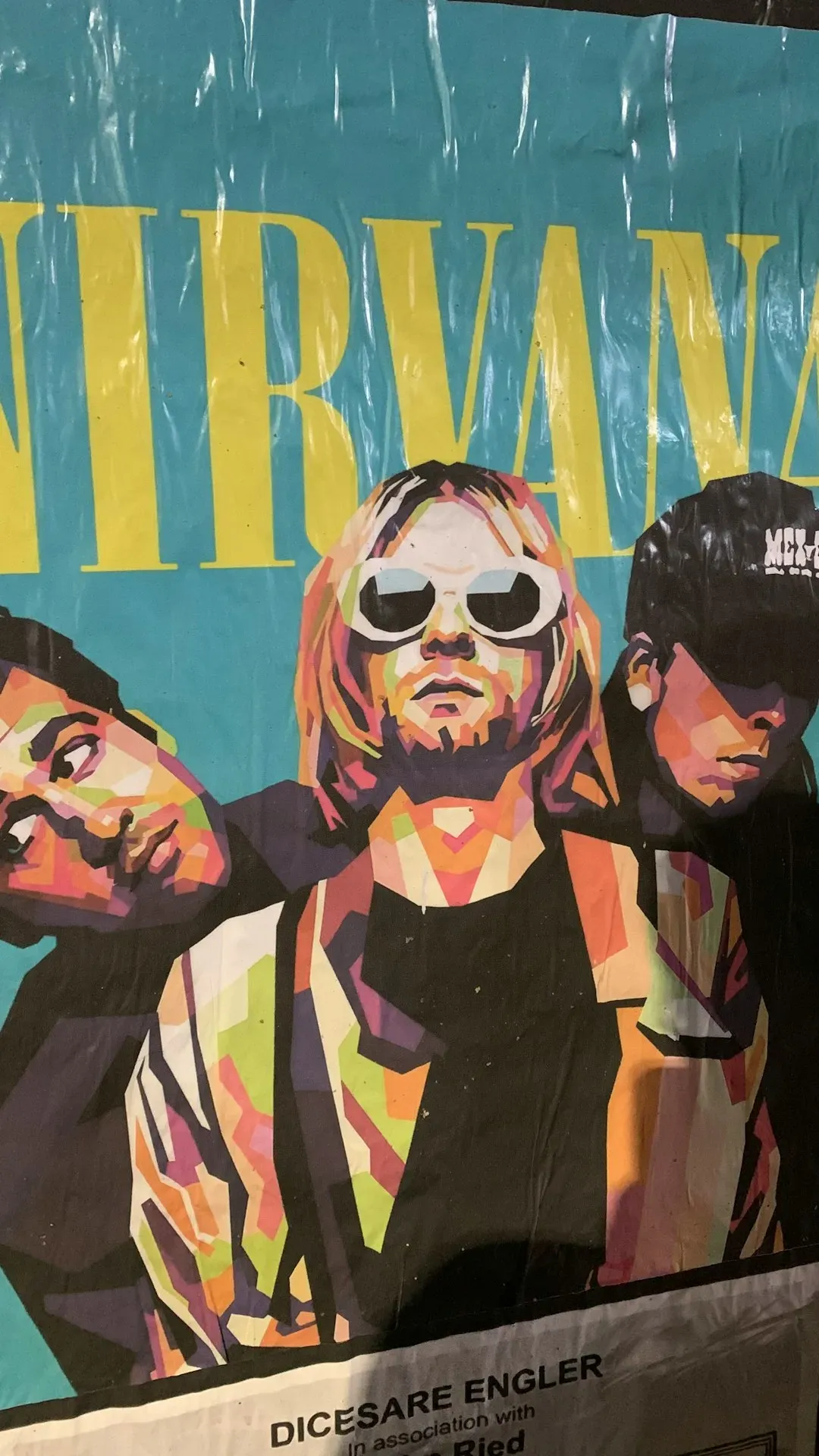
It’s strange to imagine “Smells Like Teen Spirit” as a song its own writer wanted to scrap, but that’s essentially what happened during the making of “Nevermind.” Kurt Cobain worried the track leaned too heavily on influences he loved, and accounts of the sessions note that the song almost didn’t make it onto the album because Cobain thought it sounded too much like the Pixies and wanted to bin it.
His hesitation wasn’t a passing comment either. Cobain openly admired the band he feared he was copying, once explaining that his connection to their sound ran so deep that he felt he “should have been in that band, or at least a Pixies cover band”. The track survived that internal doubt, was finished, and went on to define an entire era of rock music, which makes the idea of its near deletion feel almost unthinkable in hindsight.
Brian Wilson’s Obsession With Getting One Sound Right

Brian Wilson’s perfectionism during the “Good Vibrations” sessions has become one of the most cited examples of an artist chasing a single sonic idea to the brink of exhaustion. The song was initially left off “Pet Sounds” because it simply wasn’t finished in time, and accounts describe how it was cut from the album due to time constraints and Wilson’s perfectionism.
Wilson kept working long after most producers would have moved on, spending an enormous sum by 1960s standards. Reports note that Wilson spent over fifty thousand dollars, a massive amount at the time, recording the song in multiple studios and piecing it together like a musical jigsaw puzzle. The band nearly abandoned the project altogether before Wilson’s vision finally came together, and the finished single became one of the most influential recordings in pop history.
Guns N’ Roses Almost Cut Their Own Epic

Not every near miss comes from label politics or spiritual crises. Sometimes it’s simple stage fright about how fans will react. Axl Rose reportedly had serious doubts about including “November Rain” on “Use Your Illusion I” because of its length and orchestral scope, worried that such an ambitious arrangement might alienate fans who expected a leaner rock sound from the band.
That hesitation looks almost absurd in retrospect, given how the song became one of the band’s signature achievements and one of the most recognizable rock ballads of its decade. Still, it’s a reminder that even artists at the height of their commercial power can second guess the very moments that end up defining their legacy.
Paul McCartney’s Shelved Album That Took a Decade to Resolve

Not every threatened project gets rescued. After the success of “Band on the Run,” Paul McCartney and Wings began assembling a collection intended to fill a gap before their next studio album, but the plan fell apart almost as soon as it started. According to reporting on the episode, with Band on the Run still selling strongly, Wings had begun work on the stopgap project in July 1974, only for label executives to decide the release was unnecessary and shelve it entirely.
McCartney didn’t give up on the idea right away. He revisited it more than once over the following decade, and it nearly saw release as a slimmed-down single disc in 1978, but label executives preferred a different collection, and it eventually became a greatest hits compilation instead. The original concept never did see the light of day in its intended form, a rare case where the near miss simply became a permanent miss.
Taken together, these stories say something important about how fragile even the most celebrated albums can be at the moment of creation. Whether the threat comes from a skeptical executive, an artist’s crisis of confidence, an overzealous perfectionist, or genuinely a single unruly note on a mastering console, the line between a legendary release and a forgotten footnote is often thinner than fans realize. The next time a classic record comes on, it’s worth remembering that somewhere in its history, it probably came closer to nonexistence than anyone involved would like to admit.
The One Note That Almost Kept a Legendary Album From Ever Being Released