Fleetwood Mac, “Dreams” (1977)
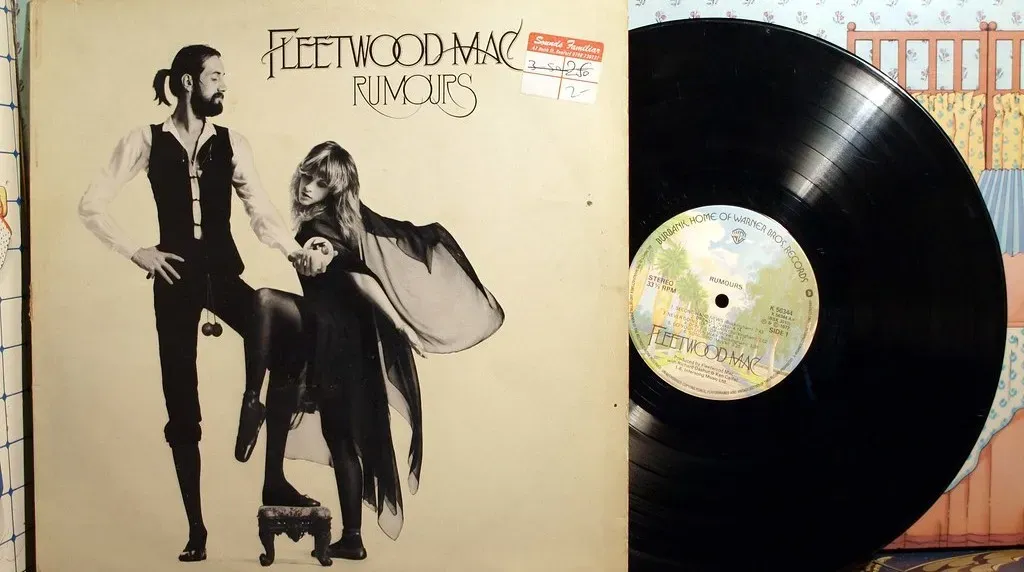
For over four decades, “Dreams” was a beloved deep cut from Rumours, respected but hardly a talking point outside classic rock circles. That changed in the fall of 2020 when a man named Nathan Apodaca posted a fifteen second clip of himself longboarding down a road, sipping cranberry juice, and lip syncing along to Stevie Nicks. A 15-second clip of 37-year-old Nathan Apodaca cruising on his longboard while singing along to “Dreams” and swigging from a bottle of Ocean Spray Cran-Raspberry juice quickly captured the public’s imagination and sent sales and streams of the song skyrocketing.
The numbers that followed were staggering for a song that old. The classic hit re-entered the Billboard Hot 100 for the first time since 1977, and Billboard noted the song had its “best-ever” weekly performance in streaming and download sales totals on the week that ended on Oct. 8, amassing 13.4 million streams and 22,000 downloads. Mick Fleetwood and Stevie Nicks both jumped on the trend themselves, which only fed the momentum further.
Kate Bush, “Running Up That Hill” (1985)
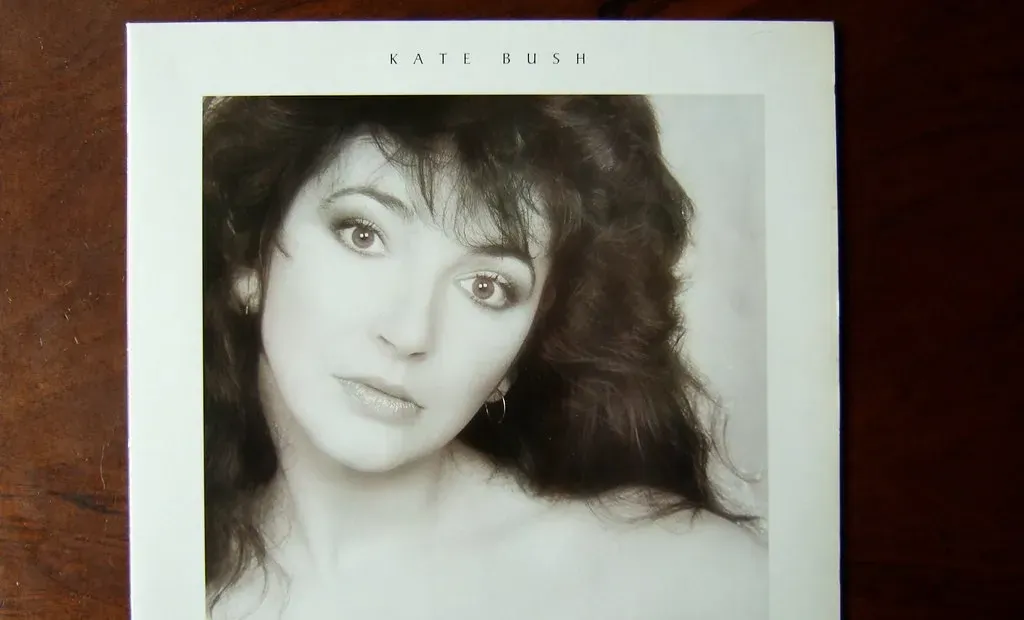
Kate Bush’s “Running Up That Hill” peaked modestly on release, and its second act came decades later through an entirely different medium. Thirty-seven years after it debuted, Kate Bush’s “Running Up That Hill” was topping music charts, ranked number one on iTunes and in Spotify’s top five after being featured in the season four premiere of Netflix’s hit series “Stranger Things.” The song’s placement in a pivotal, emotional scene gave it new meaning for viewers who had never heard it before.
What happened next broke chart history. Kate Bush topped the Official Singles Chart with the song 37 years after its release, achieving the longest-ever gap between Number 1 singles in Official Chart history, with 44 years between her 1978 chart topper “Wuthering Heights” and 2022’s “Running Up That Hill.” It also became a global streaming phenomenon, as Kate Bush’s classic saw a 8,700% increase in Spotify streams that year, thanks to Netflix’s hit show.
Toto, “Africa” (1982)
“Africa” never fully disappeared from rock radio, but its transformation into a genuine internet phenomenon took years to build. It started small, with a fourteen year old fan running a Twitter account dedicated to convincing Weezer to cover the song. Weezer first covered Toto’s “Rosanna” in May 2018, after the internet, or one teen on it, had actually been requesting for a year that the band cover Toto’s “Africa” via an insistent Twitter account.
Once Weezer finally obliged, the original song rode along for the ride. Plays of Toto’s original song doubled in 2018 from the previous year, meaning “Africa” was no longer only a fixture of classic rock playlists, but found its way into alt and pop charts. The song’s staying power has only grown since, and by 2024 it had reached a milestone few tracks from its era ever manage, as “Africa” surpassed one billion plays on YouTube that year, becoming Toto’s first song to reach this milestone.
Lady Gaga, “Bloody Mary” (2011)
Buried on Lady Gaga’s Born This Way album, “Bloody Mary” was never even released as a single. Its unlikely second life began in late 2022 when fans of Netflix’s Wednesday started editing the show’s now famous dance scene, replacing the original soundtrack with Gaga’s track. Before Wednesday Season 1, the song was the kind of fan favorite deep cut you bragged about knowing, but when a fan swapped out the original backing of Jenna Ortega’s dance with “Bloody Mary,” the clip went viral almost instantly, transforming it into a TikTok phenomenon.
The streaming surge was immediate and dramatic. “Bloody Mary” was up 415% in weekly U.S. on-demand streams for the week ending Dec. 1, cracking 2 million plays in that time frame, according to Luminate. The song’s resurgence proved to have lasting power too, as it became a top 40 hit on the charts once again years later, present on two tallies in the United Kingdom at once.
Journey, “Don’t Stop Believin’” (1981)
Journey’s power ballad had already enjoyed one comeback moment through Chicago sports fans before its truly defining second act arrived. That came in June 2007, when HBO closed out The Sopranos with the song playing over the show’s famously ambiguous final scene. The true zeitgeist moment for the song occurred after it served as the soundtrack to the climactic final set piece of the series, and download sales of the song on iTunes rocketed an incredible 482 percent just three days after its initial airing.
The bump proved to be far more than a passing spike. The day before the show aired, “Don’t Stop Believin’” was downloaded on iTunes 1,000 times; the day after, 6,531 times, rising to number 17 for the week, and before long it had become the bestselling digital track from the 20th century. That title has held remarkably well, since the song was named the biggest song of all time in 2024, after the RIAA certified it 18 times platinum, the most of any pre-digital era song release.
Metallica, “Master of Puppets” (1986)
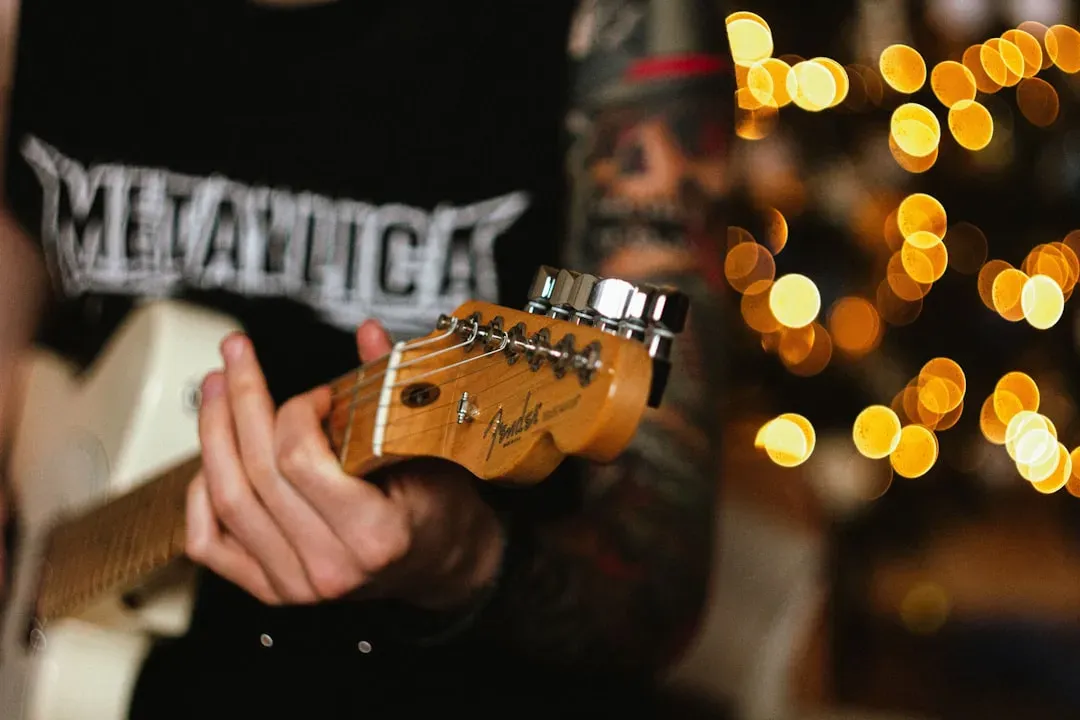
Thrash metal rarely crosses over into mainstream pop culture, which made Metallica’s 2022 resurgence all the more notable. The song appeared during the final two episodes of Stranger Things season four, soundtracking one of the show’s most talked about sequences. Since the season’s final two episodes arrived July 1, the 1986 metal classic saw a “Running”-esque explosion in sales and streams, debuting on the Hot 100 dated July 16 at No. 40.
What made this moment stand out is how unusual it was for a song of this style and length to break into mainstream charts at all. It shared the spotlight that same season with Kate Bush’s revival, both proving that a well placed sync in a hit show could resurrect songs from wildly different genres and eras. The lasting effect showed up again in later seasons of the show, as Stranger Things continued leaning on its soundtrack to drive renewed streaming interest each time it returned.
Rick Astley, “Never Gonna Give You Up” (1987)
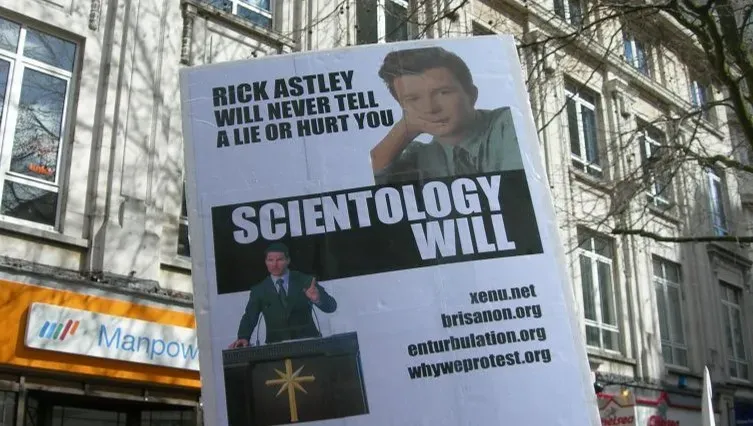
Rick Astley’s signature hit topped charts around the world when it first came out, then faded into a fairly typical eighties pop memory for about two decades. Its second life started around 2007, when internet users began disguising links to the song’s music video as something else entirely, a prank that came to be known as “rickrolling.” Millions of unsuspecting clicks later turned Astley’s earnest performance into one of the earliest widespread internet memes.
The joke never really faded, and it kept feeding real attention back to the original song for years afterward. The music video eventually crossed the billion view mark on YouTube, an unusual achievement for a decades old pop single, driven almost entirely by a running gag rather than traditional promotion. Astley himself has embraced the phenomenon over the years, occasionally referencing it in interviews and performances rather than shying away from the joke that gave his biggest hit a strange second wind.
These seven songs share a common thread even though the mechanisms behind their comebacks differ wildly, from a skateboarding video to a Netflix needle drop to a stubborn teenager’s Twitter campaign. What they prove is that a song’s commercial life rarely ends when radio play fades or the album cycle winds down. Sometimes it just takes the right scene, the right platform, or the right meme for a decades old track to find millions of new ears all over again.