This list looks at ten moments when a record label’s choice didn’t just launch a career, it reshaped what popular music could sound like. From a Memphis studio owner betting on a shy truck driver to a hip hop label born in a college dorm room, these are the deals and gambles that still echo through the music we hear today.
Sam Phillips signs Elvis Presley to Sun Records
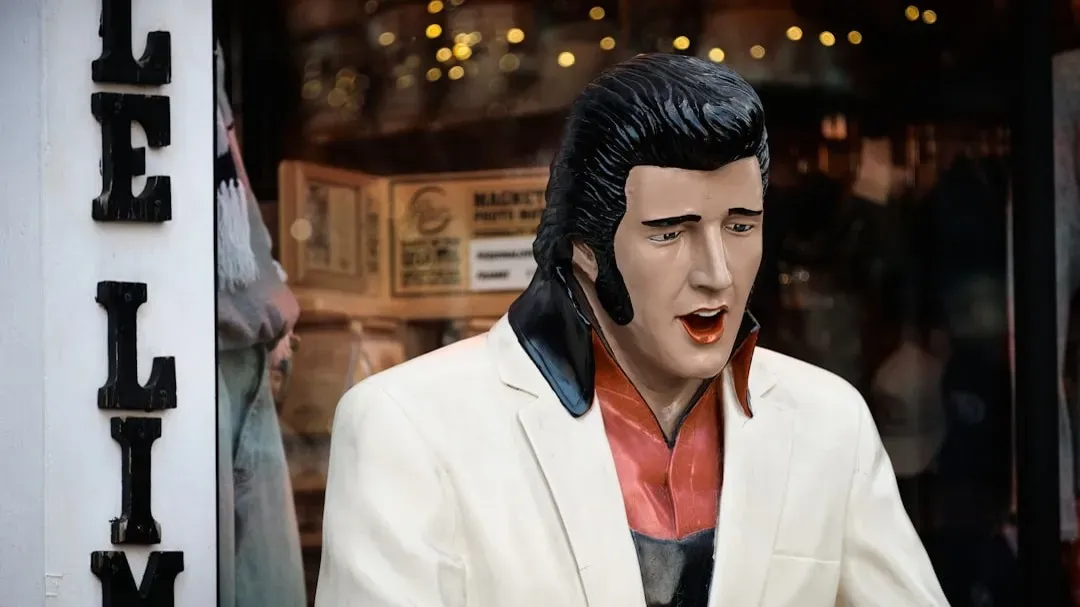
Sam Phillips ran a small Memphis studio in the early 1950s, recording local blues and R&B acts on a shoestring budget. When a nervous nineteen year old named Elvis Presley wandered in, Phillips wasn’t immediately sold. Elvis was determined to give it another shot, returning to the recording service in January 1954 to record two more songs on acetate. It took months of false starts before anything clicked.
The breakthrough came during a session on July 5, 1954, when Elvis and his band broke into a sped-up version of Arthur “Big Boy” Crudup’s “That’s All Right,” which became the first of five singles Elvis released on the Sun label. Phillips later sold Presley’s contract to RCA Victor, and on November 20, 1955, Elvis signed his first contract with RCA Records after Colonel Parker negotiated the sale of the Sun contract for an unprecedented forty thousand dollars. That single decision to sign an unknown local kid essentially set rock and roll in motion.
Berry Gordy builds Motown into a hit factory
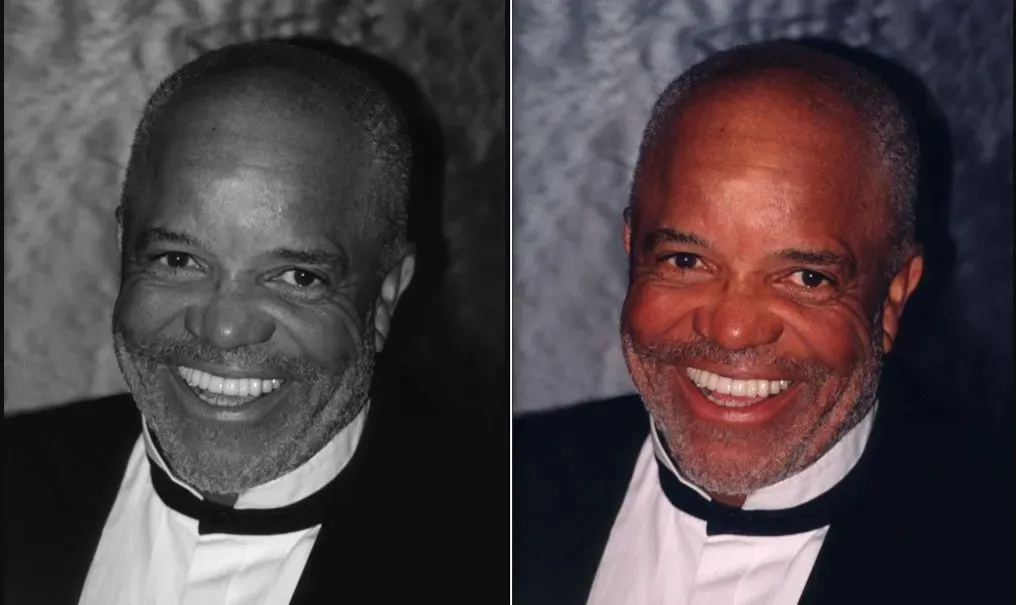
Berry Gordy founded his Detroit label at the end of the 1950s with a plan that felt closer to a factory floor than a typical record company. He set up in house songwriting teams, a rehearsal space, and a strict quality control process where new releases were voted on before hitting shelves. That structure produced an unbroken run of hits from artists like the Supremes, Marvin Gaye, and Stevie Wonder.
What made Gordy’s approach so consequential wasn’t just the music, it was the ambition behind it. He insisted on polish, choreography, and etiquette training for his acts, aiming squarely at crossover success on mainstream pop charts dominated by white audiences. That decision to build Black artists into the biggest pop stars in America, rather than confining them to R&B charts, changed the commercial landscape of popular music for good.
Atlantic Records gives Ray Charles creative freedom
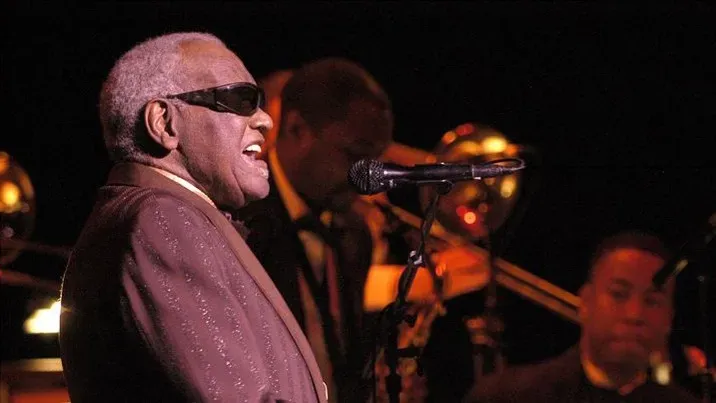
In the early 1950s, Atlantic Records was still a scrappy independent label run by Ahmet Ertegun and Jerry Wexler. Signing Ray Charles was a gamble on an artist whose sound didn’t fit neatly into existing categories, blending gospel fervor with blues grit and jazz phrasing. Rather than trying to mold him into something more marketable, Atlantic let him experiment.
That hands off approach allowed Charles to fuse sacred and secular styles in a way that had rarely been attempted commercially before, laying groundwork for what would later be called soul music. Songs built on call and response gospel structures, paired with worldly lyrics, felt genuinely new. Atlantic’s willingness to back an unconventional artist instead of a safe formula turned out to be one of the more quietly radical decisions in the label’s history.
Chess Records shapes the sound of rock and roll

Leonard and Phil Chess ran their Chicago label with an ear tuned to the electric blues coming out of the city’s South Side clubs. Signing Muddy Waters, Howlin’ Wolf, and Bo Diddley gave the label a roster that would influence guitarists for decades. Then came Chuck Berry, whose blend of blues, country, and showmanship pushed the label into entirely new territory.
Chess’s decision to record Berry’s guitar driven storytelling, rather than steering him toward a more conventional blues sound, helped define what rock and roll guitar could be. British bands like the Rolling Stones later cited these Chess recordings as foundational listening. A relatively small independent label ended up supplying much of the DNA for the rock music that followed it by a decade or more.
Columbia Records takes a chance on Bob Dylan
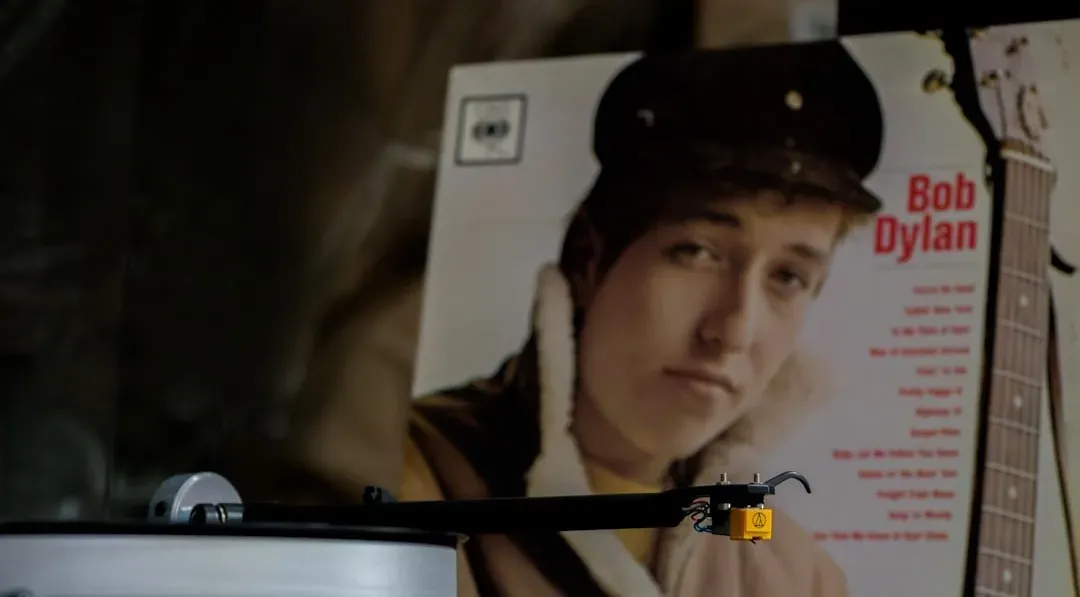
John Hammond, a talent scout at Columbia Records, signed a scruffy twenty year old folk singer in 1961 despite skepticism from colleagues who reportedly nicknamed the deal “Hammond’s Folly.” Dylan’s debut album sold modestly and did little to quiet the doubters inside the company. Columbia stuck with him anyway.
That patience paid off within a couple of years, as Dylan’s songwriting evolved into something that reshaped what a pop song could address, from civil rights to personal introspection. His shift to electric instrumentation later in the decade only deepened his influence on rock songwriting broadly. Columbia’s willingness to absorb an early commercial disappointment, rather than dropping an unproven artist, turned out to be one of the more quietly consequential bets in the label’s long history.
George Martin signs the Beatles to Parlophone
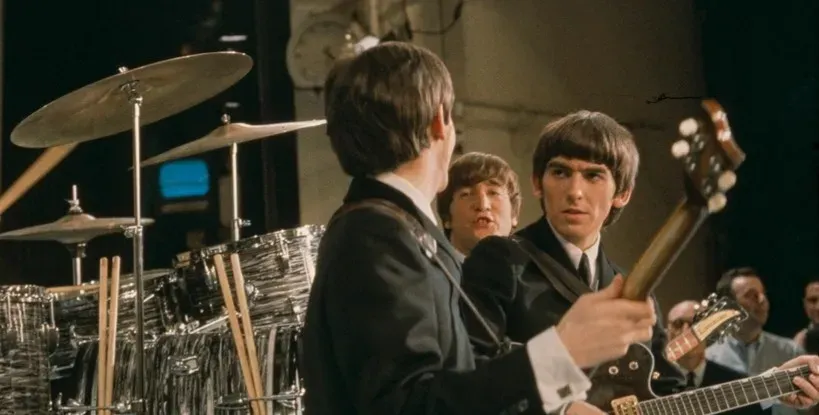
Before 1962, Parlophone was hardly a serious rock label. At that time Parlophone, a German EMI imprint, was largely seen as a novelty label of little relevance, known mostly for comedy records. Producer George Martin wasn’t especially impressed by the Beatles at first either, admitting later that what he heard from them initially felt merely okay rather than brilliant.
George Martin signed The Beatles to the Parlophone label in the summer of 1962, largely because he simply liked the four of them as people and figured audiences would feel the same way. EMI committed to recording a minimum of six sides in the first year, a modest bet that quickly snowballed into the biggest act in pop music history. A label built on comedy records ended up hosting the most influential band of the twentieth century almost by accident.
Island Records signs Bob Marley and the Wailers
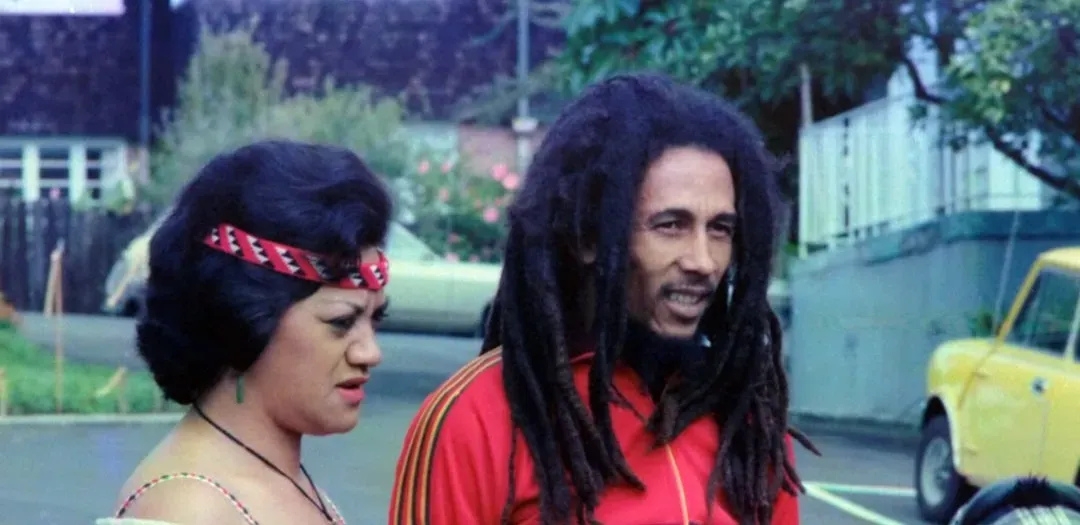
Chris Blackwell had already built Island Records into a respected home for progressive rock acts like Traffic and Jethro Tull by the early 1970s. The founder of British based Island Records signed Bob Marley and the Wailers in 1972, a reggae group that had struggled to break beyond Jamaica despite years of recording. Blackwell saw something in Marley’s presence that felt suited to a wider rock audience.
Catch a Fire, featuring the original unit of Marley, Peter Tosh and Bunny Wailer, was released the following year, marketed deliberately toward rock listeners rather than a narrower reggae niche. That approach worked well enough that the Rock and Roll Hall of Fame later named Blackwell the single person most responsible for turning the world onto reggae music. A label decision to reposition an entire genre for international audiences changed how reggae was heard outside Jamaica for good.
Def Jam turns hip hop into a commercial force

It was in Rick Rubin’s NYU dorm room, inspired by his friend DJ Jazzy Jay, that Rubin founded Def Jam with Russell Simmons in 1984. Neither founder had much industry experience, and hip hop was still viewed by most major labels as a passing novelty rather than a genre worth serious investment. The first single released by Def Jam was “I Need a Beat” by teenage rapper LL Cool J, quickly followed by the Beastie Boys.
That single was shortly followed by another single, “Rock Hard” by the Beastie Boys, and the success of these two singles earned Def Jam a distribution deal with CBS Records which dramatically raised the profile of the young company. The label went on to sign Public Enemy and eventually Jay Z, cementing hip hop as a mainstream commercial force rather than a regional curiosity. A decision made by two twenty something producers in a dorm room ended up reshaping the entire music industry’s relationship with rap.
Geffen’s DGC imprint signs Nirvana

By 1990, David Geffen’s label had built a reputation on glossy rock acts, but executives sensed a shift happening in underground scenes across the Pacific Northwest. Geffen created a subsidiary label, DGC Records, in 1990, which focused on more progressive rock and would later embrace the emergence of alternative rock, with Nirvana being an example. Signing a scrappy Seattle trio with a modest underground following on Sub Pop was hardly viewed as a guaranteed hit at the time.
The 1991 release of Nirvana’s “Nevermind” remains an indelible chapter in music history, and Geffen Records’ association with this groundbreaking album helped it become an iconic marker of the grunge era. The album’s unexpected commercial explosion caught even the label somewhat off guard, pushing alternative rock from college radio into mainstream rotation almost overnight. DGC’s willingness to bet on an unpolished, loud, and emotionally raw band changed what major labels were willing to sign for the rest of the decade.
Interscope strikes a distribution deal with Death Row Records
Jimmy Iovine’s young label Interscope made one of the more controversial calls in modern music business history when in 1992, Interscope acquired the exclusive rights to market and distribute releases from the hardcore hip hop label Death Row, whose artists included Dr. Dre and Snoop Dogg. Other major labels had passed on the material, wary of its explicit content and the label’s volatile reputation. Iovine backed it anyway.
Original plans had called for The Chronic to be released through Sony, but Sony passed on the album due to Death Row’s controversial nature, so Iovine agreed to release it through a complicated distribution arrangement, and the album came out in December 1992. The partnership pushed gangsta rap into mainstream record stores and radio playlists on a scale it had never reached before, though it also drew intense public criticism that eventually strained Interscope’s corporate relationships. Whatever the fallout, the decision to distribute Death Row helped define West Coast hip hop’s commercial peak in the 1990s.
Each of these decisions carried real risk at the time it was made. None of the executives involved could have known for certain that a shy Memphis truck driver, a scrappy Seattle trio, or a hip hop label born in a dorm room would end up reshaping popular music for generations. What connects them is a willingness to back something unfamiliar, even when the safer, more predictable choice was sitting right there. That pattern, more than any single genre or era, is probably the closest thing to a formula for how music history actually gets made.