Tina Turner, Private Dancer (1984)
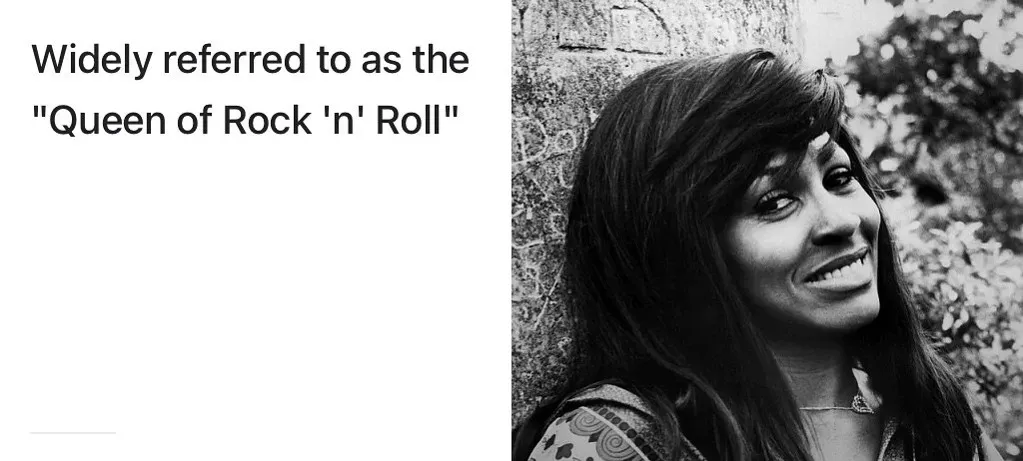
By the early 1980s, Tina Turner’s career had all but stalled. After her divorce from Ike in 1978, she began attempting a new solo music career, and her albums Rough in 1978 and Love Explosion in 1979 were both flops. She was performing cabaret shows and, according to multiple retrospectives, working odd jobs just to get by while chasing a comeback that seemed increasingly out of reach.
Then came Private Dancer. The album generated Turner’s first five solo top 40 hits on the Hot 100, including her first No. 1, “What’s Love Got to Do With It,” which won Grammy Awards for record of the year and best pop vocal performance, female. Private Dancer propelled Turner into becoming a viable solo star and one of the most marketable crossover singers in the recording industry, becoming a worldwide commercial success with multi-platinum certifications. It remains one of the most cited comeback stories in modern pop music.
Johnny Cash, American Recordings (1994)
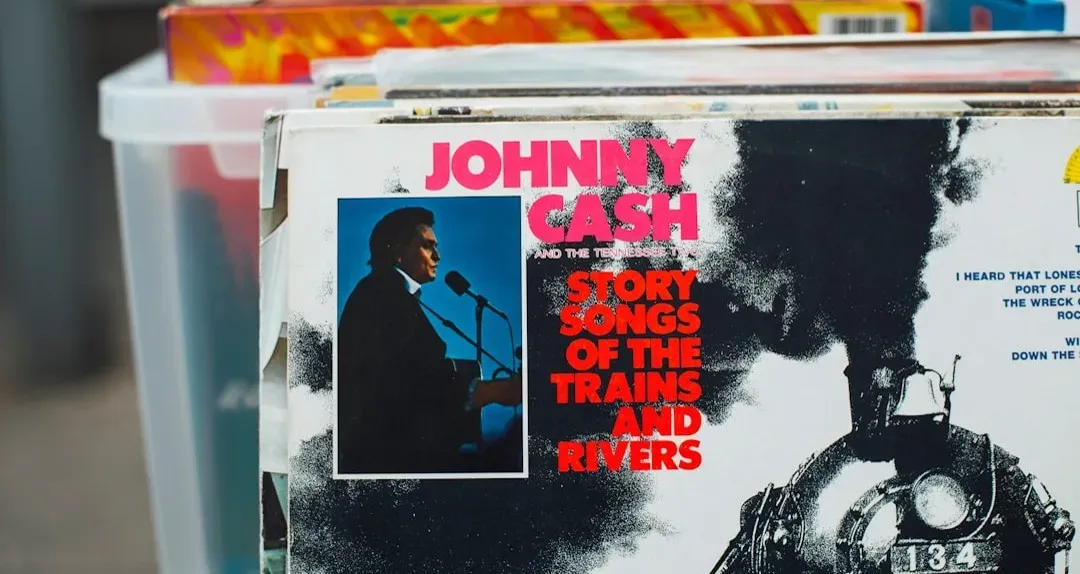
By the early 1990s, Johnny Cash’s commercial fortunes had faded badly. The album marked the beginning of a career resurgence for Cash, who was widely recognized as an icon of American music but whose record sales had suffered during the late 1970s and 1980s. Now aged 60, Cash had been dropped by his label of nearly thirty years, CBS, in 1986 and was gearing up to retire from music altogether.
Producer Rick Rubin, known for hip-hop and metal rather than country, changed that trajectory entirely. Rubin had seen Cash perform at Bob Dylan’s 30th anniversary concert in late 1992 and felt Cash was still a vital artist who had been unfairly written off by the music industry. Stripped down to just Cash’s voice and guitar, the record became a critical sensation and launched a six-album series that carried him through the rest of his life and reshaped how the public saw him.
Aerosmith, Permanent Vacation (1987)

Aerosmith’s story in the early 1980s was a cautionary tale about excess. The band was in trouble after Done with Mirrors, which was supposed to be their comeback album but flopped big time, with drugs still a big problem. Guitarists Joe Perry and Brad Whitford had even left the band for a stretch, and their commercial standing had collapsed compared to their 1970s peak.
Getting sober changed everything. Permanent Vacation was the first album the band made completely sober, and people reacted to that in a big way. Permanent Vacation sold over five million copies, spawned four hit singles, and re-established the group to their rightful place as one of music’s biggest concert attractions. It set the template for the veteran arena-rock comeback that countless other bands would try to imitate.
Bee Gees, Saturday Night Fever (1977)
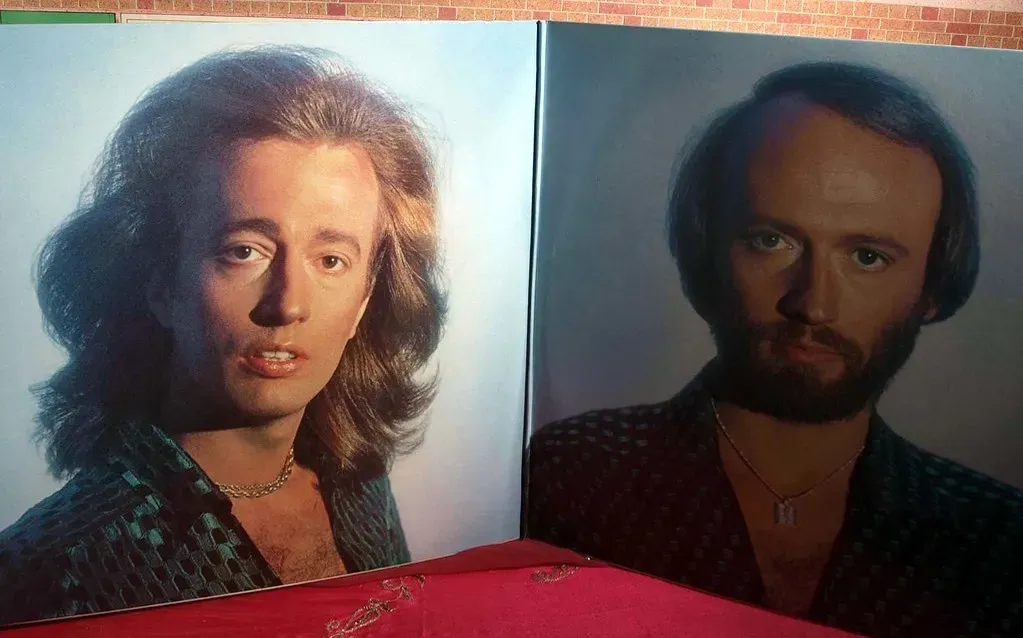
The Bee Gees had already lived through one commercial slump by the mid-1970s, after their run of orchestral pop hits earlier in the decade cooled off considerably. Radio had moved on, and the group needed a fresh direction to stay relevant in a rapidly changing music landscape dominated by disco and album-oriented rock.
The Saturday Night Fever soundtrack, built around falsetto-driven tracks like “Stayin’ Alive” and “Night Fever,” became one of the best-selling soundtrack albums of all time and turned the Bee Gees into the defining sound of the disco era. The transformation was so complete that it reshaped public perception of the group for decades, even as disco itself eventually fell out of fashion. Few pivots in pop history have been as dramatic or as commercially successful.
David Bowie, Let’s Dance (1983)

After the artistic peak of his Berlin trilogy and 1980’s Scary Monsters, David Bowie entered the early 1980s without a clear commercial direction, and his record sales had cooled considerably compared to his 1970s heyday. He needed a project that could reconnect him with a mainstream audience without abandoning his credibility as an innovator.
Let’s Dance, produced with Chic’s Nile Rodgers, delivered exactly that balance. The title track, along with “Modern Love” and “China Girl,” turned Bowie into a genuine pop radio fixture and gave him the best-selling album of his career. It also funded and enabled the massive Serious Moonlight world tour, cementing his status as an arena-level star well into the following decade.
Santana, Supernatural (1999)

Carlos Santana had spent years as a respected touring act without matching commercial success on record. Having gone some 17 years without a Top 40 album, Carlos Santana was in need of a hit at the tail end of the ’90s, and the Bay Area guitar hero found one with 1999’s Supernatural. Clive Davis, the executive who had originally signed Santana decades earlier, orchestrated a star-studded collaboration record designed to reintroduce him to a younger audience.
The gamble paid off spectacularly. Supernatural won nine Grammy Awards, breaking the record held by Michael Jackson’s Thriller for the most honored album, including Album of the Year, making Santana the first Hispanic artist to win it. The single “Smooth,” featuring Rob Thomas, became inescapable on radio and helped push the album to tens of millions in sales worldwide, effectively relaunching Santana’s recording career overnight.
Cher, Believe (1998)

By the mid-1990s, Cher’s recording career had grown quiet. She looked to have been consigned to heritage act status before “Believe” came to the rescue, having only scored one U.S. Top 10 hit in the 1990s, with her last studio effort peaking at a lowly No. 64 on the Billboard 200. At 52 years old, she was not an obvious candidate for a chart-topping reinvention.
The title track changed that instantly, thanks in part to an unfamiliar vocal effect that would later be recognized as an early, deliberately obvious use of pitch-correction software. The Believe campaign not only saved her from the musical wilderness, but it also kickstarted the most consistent, if undoubtedly sporadic, chapter of her career. The title track sold more than 11 million copies worldwide and reached pole position in 23 countries, becoming one of the true pop culture touchstones of the pre-millennium era.
Meat Loaf, Bat Out of Hell II: Back into Hell (1993)
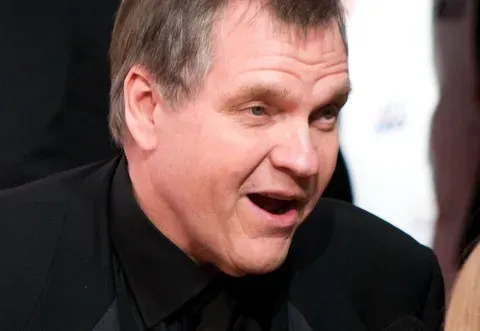
Meat Loaf’s career after his 1977 breakthrough had been rocky, marked by financial trouble, legal disputes over royalties, and vocal problems that sidelined him for stretches during the 1980s. By the early 1990s, many in the industry considered him a nostalgia act with little chance of a genuine return to prominence.
Reuniting with songwriter Jim Steinman for a sequel to his signature album reversed that narrative almost overnight. Bat Out of Hell II produced the operatic hit “I’d Do Anything for Love (But I Won’t Do That),” which topped charts in the United States and the United Kingdom and pushed the album to multi-platinum sales. It proved that a decades-old formula could still connect with a mainstream audience when executed with the same theatrical ambition as the original.
Kesha, Rainbow (2017)

Kesha’s career was effectively frozen for years during a highly publicized legal battle with producer Dr. Luke, which limited her ability to release new music and cast real doubt over whether she would record again at all. The dispute became one of the most closely watched cases in the music industry, with fans and fellow artists following each development.
Rainbow arrived as both a personal statement and a professional turning point, anchored by the piano ballad “Praying,” which many critics read as a direct response to what she had endured. The album debuted at number one on the Billboard 200 and earned some of the strongest reviews of her career, transforming public perception of her from pop provocateur to a respected singer-songwriter. It remains one of the clearest examples of an artist using a single record to reclaim both a career and a narrative.
Taken together, these nine records share a common thread even though the circumstances behind them differ wildly. A dropped contract, a health scare, a legal fight, or simply years of declining sales can all bring an artist to the brink. What separates these particular comebacks from countless failed attempts is timing, the right collaborators, and often a willingness to change direction rather than repeat past success. Music history is full of quiet endings, but these nine albums turned what looked like one into a second act instead.