Plot twists are the currency of great storytelling. A film can coast on strong performances and gorgeous cinematography, but the moment a script pulls the rug out from under its audience, that’s when a movie earns a permanent place in pop culture conversation. Some twists announce themselves early and land with a shrug, while others rewire your understanding of everything you just watched.
This ranking moves through some of cinema’s most talked-about reveals, ordered loosely from the ones seasoned moviegoers tend to see coming to the ones that genuinely scrambled audiences on first viewing. It’s not an exact science since everyone’s threshold for surprise is different, but these are the twists that critics, film scholars, and casual fans alike keep returning to when the topic comes up.
The Telegraphed Twist: “The Village” (2004)

M. Night Shyamalan built his early career on the reveal, but by the time “The Village” arrived, audiences had learned to watch his films with a suspicious eye. The film’s central twist, that the isolated community is actually living in modern times behind a fabricated historical facade, felt like a variation on ideas Shyamalan had already explored in “The Sixth Sense” and “Unbreakable.” Critics at the time noted the film relied heavily on withholding information rather than earning genuine surprise.
Part of what makes this twist land on the predictable end of the spectrum is the sheer number of visual and tonal clues scattered throughout. The stilted dialogue, the anachronistic behavior, and the almost theatrical seriousness of the elders all hint that something artificial is going on long before the reveal arrives. Once a director becomes known for twist endings, audiences start reverse-engineering the mystery from the opening scene, which undercuts the shock value considerably.
The Familiar Formula: “Now You See Me” (2013)
Heist films built around misdirection almost always end with a twist about who was orchestrating events behind the scenes, and “Now You See Me” follows that formula closely. The reveal that the FBI agent has been the mastermind all along is clever on paper, but it leans on the genre’s well-worn habit of having a trusted authority figure secretly pull the strings. Audiences familiar with magician-themed thrillers and heist capers tend to clock this kind of misdirection fairly early.
The film’s box office success, grossing well over 350 million dollars worldwide according to industry tracking sites, shows that predictability doesn’t necessarily hurt commercial appeal. Still, from a pure surprise standpoint, the twist plays more like a satisfying confirmation of suspicion than a genuine jaw-dropper. It rewards attentive viewers rather than blindsiding them.
The Solid Surprise: “The Prestige” (2006)

Christopher Nolan’s magician drama sits in an interesting middle ground. The reveal that Hugh Jackman’s character has been killing and replacing clones of himself throughout the film is genuinely unsettling, and it recontextualizes nearly every scene involving his stage trick. Yet careful viewers who pick up on the film’s obsession with duplication, doubling, and sacrifice can often see the shape of the answer forming well before the final act.
What elevates “The Prestige” above simpler misdirection is how the twist ties into the film’s thematic backbone about obsession and the price of greatness. The mystery surrounding Christian Bale’s character, revealed to be twin brothers sharing one identity, adds a second layer that many first-time viewers miss entirely. That layered structure is why the film continues to generate discussion threads and repeat viewings even two decades after release.
The Genre-Bender: “Get Out” (2017)

Jordan Peele’s directorial debut earned an Academy Award for Best Original Screenplay, and much of that recognition came from how deftly the film subverts expectations. The twist isn’t a single moment but a slow, dread-inducing accumulation of details that reveal the Armitage family’s true purpose. By the time the full picture emerges, the horror genre trappings have transformed into pointed social commentary that critics widely praised for its originality.
What makes this twist resonate so strongly is that it works on rewatch just as effectively as it does the first time. Viewers who revisit the film often notice how many early scenes, from the sunken place hypnosis to the eerily calm household staff, were quietly building toward the reveal all along. That kind of durability separates a good twist from a genuinely great one.
The Rewatch Machine: “Fight Club” (1999)

Few twists have been referenced, parodied, and analyzed as thoroughly as the reveal that Tyler Durden is a dissociative projection of the unnamed narrator. When David Fincher’s adaptation of Chuck Palahniuk’s novel first hit theaters, it split critics, though it has since been reassessed as one of the defining films of its era. The twist reframes every fight club meeting, every act of anarchic destruction, as something entirely different from what the narrator initially presents.
The film’s lasting cultural footprint, including its continued presence on best-of lists compiled by outlets like the American Film Institute and Sight and Sound, speaks to how well the twist holds up structurally. Rewatching “Fight Club” with the reveal in mind turns it into an almost different movie, since so much of the dialogue and physical staging takes on new meaning. That transformation on a second viewing is a strong indicator of a well-constructed twist rather than a cheap trick.
The Emotional Gut Punch: “Gone Girl” (2014)

David Fincher returns to this list with a very different kind of twist, one built less on shock value and more on a slow, creeping realization about a character’s true nature. The midpoint reveal that Amy Dunne faked her own disappearance and framed her husband flips the entire narrative structure of the film, turning what looked like a missing-person thriller into a study of manipulation and media spectacle. Gillian Flynn, who wrote both the novel and the screenplay, structured the twist so that the audience’s sympathies are forced to completely reverse.
What separates this from a simple bait-and-switch is how thoroughly the film commits to Amy’s perspective once the truth comes out. Rosamund Pike’s performance, which earned her an Academy Award nomination, carries much of the film’s back half precisely because the twist demands the audience recalibrate everything they thought they understood about her character. Few films manage to make an audience distrust their own narrator this effectively.
The Puzzle Box: “Shutter Island” (2010)
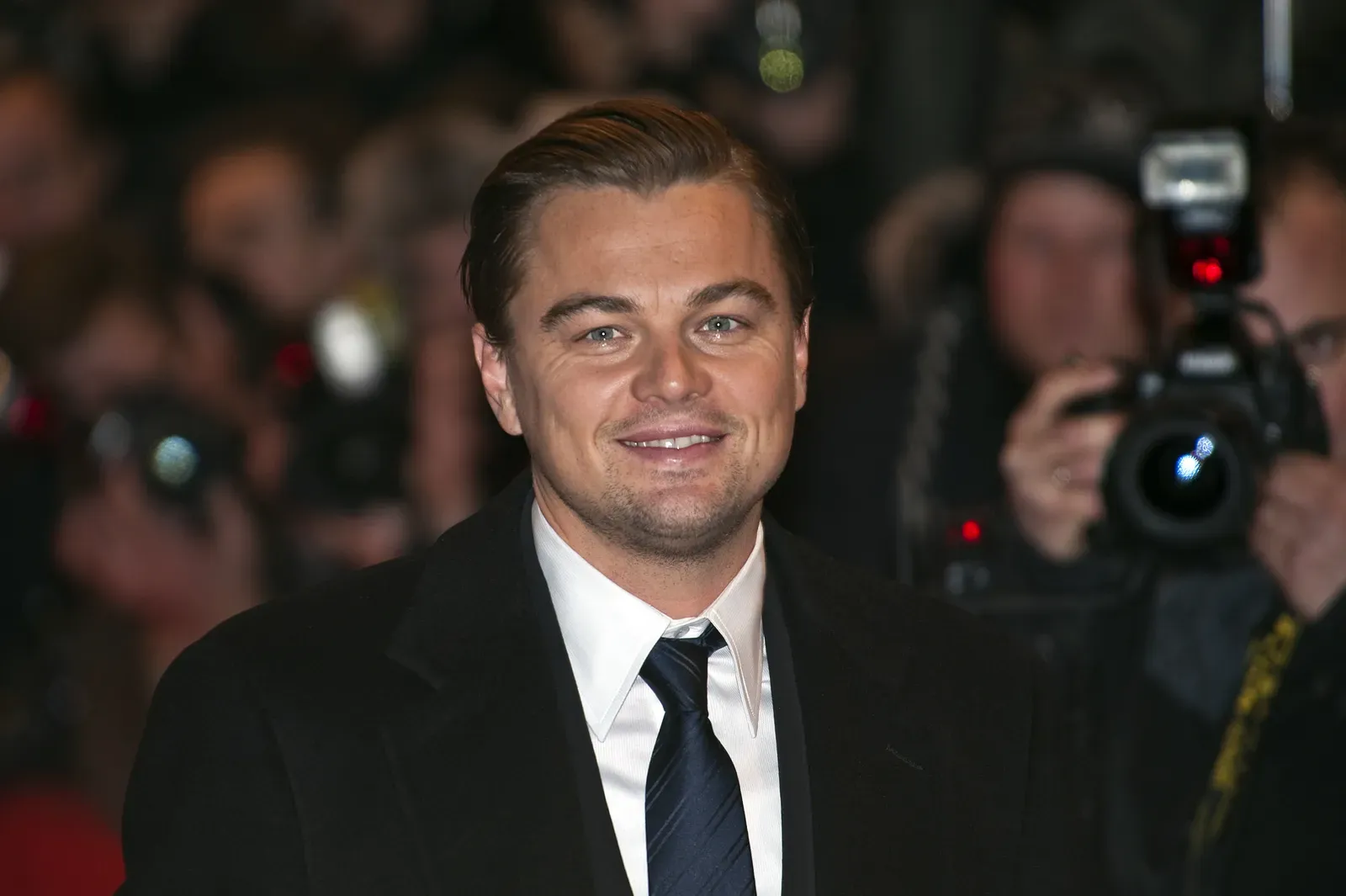
Martin Scorsese’s psychological thriller plays an elaborate game with its audience, revealing that Leonardo DiCaprio’s investigator is actually a patient at the mental institution he believes he’s investigating. The twist recontextualizes nearly every strange interaction and hallucinatory sequence that came before it, turning the film into an elaborate exercise in unreliable narration. Critics noted at the time that the film rewards multiple viewings specifically because so many details only make sense in hindsight.
The ambiguous final line of dialogue, which suggests the character may have briefly understood his true situation before choosing to embrace his delusion, adds a layer of debate that fans still argue about online. That lingering uncertainty is part of what keeps “Shutter Island” firmly in mind-bending territory rather than simply shocking territory. A twist that continues to spark disagreement years later has clearly done its job.
The Reality Shatter: “The Sixth Sense” (1999)
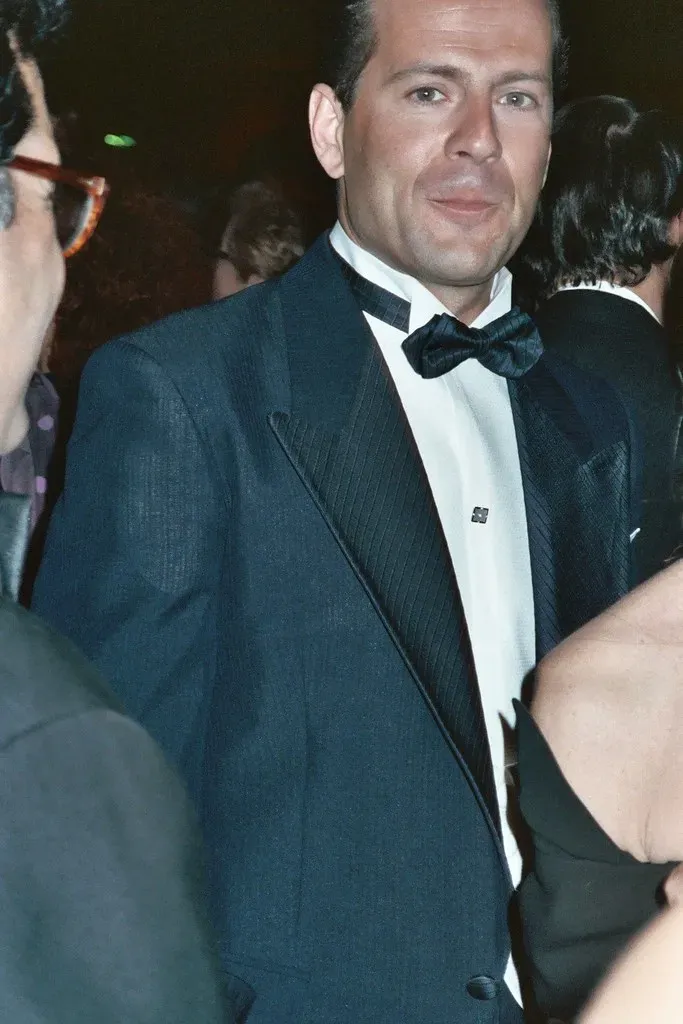
It’s almost impossible to discuss movie twists without circling back to the film that redefined the modern twist ending for mainstream audiences. The revelation that Bruce Willis’s character has been dead the entire film, and that every interaction he had was only visible to Haley Joel Osment’s character, became one of the most widely referenced reveals in film history. The movie was a massive commercial success, earning nearly 700 million dollars worldwide, a staggering figure for a psychological drama of its budget.
What made this twist so effective wasn’t just the surprise itself but how completely rewatchable the film became afterward. Every scene involving Willis’s character takes on new meaning once viewers know the truth, from the way other characters never directly acknowledge him to the cold visual cues sprinkled throughout. That combination of shock value and structural integrity is why this twist remains the benchmark against which so many others are measured.
The Mind-Bender Champion: “Oldboy” (2003)

Park Chan-wook’s revenge thriller delivers what many critics and filmmakers consider one of the most disturbing and effective twists in cinema history. The revelation involving the true relationship between the protagonist and the woman he falls for, tied to a decades-long revenge plot orchestrated by a childhood acquaintance, is both narratively shocking and emotionally devastating. The film won the Grand Prix at the Cannes Film Festival, with jury president Quentin Tarantino reportedly championing it strongly during deliberations.
Unlike twists that rely purely on narrative sleight of hand, this one works because the emotional fallout is inseparable from the shock itself. The horror isn’t just in learning the truth but in watching the protagonist’s reaction to it, which adds a psychological weight that few twist endings attempt, let alone achieve. That combination of genuine surprise and lasting emotional damage is why “Oldboy” continues to top so many critical rankings of cinema’s greatest twists.
What Makes a Twist Truly Work
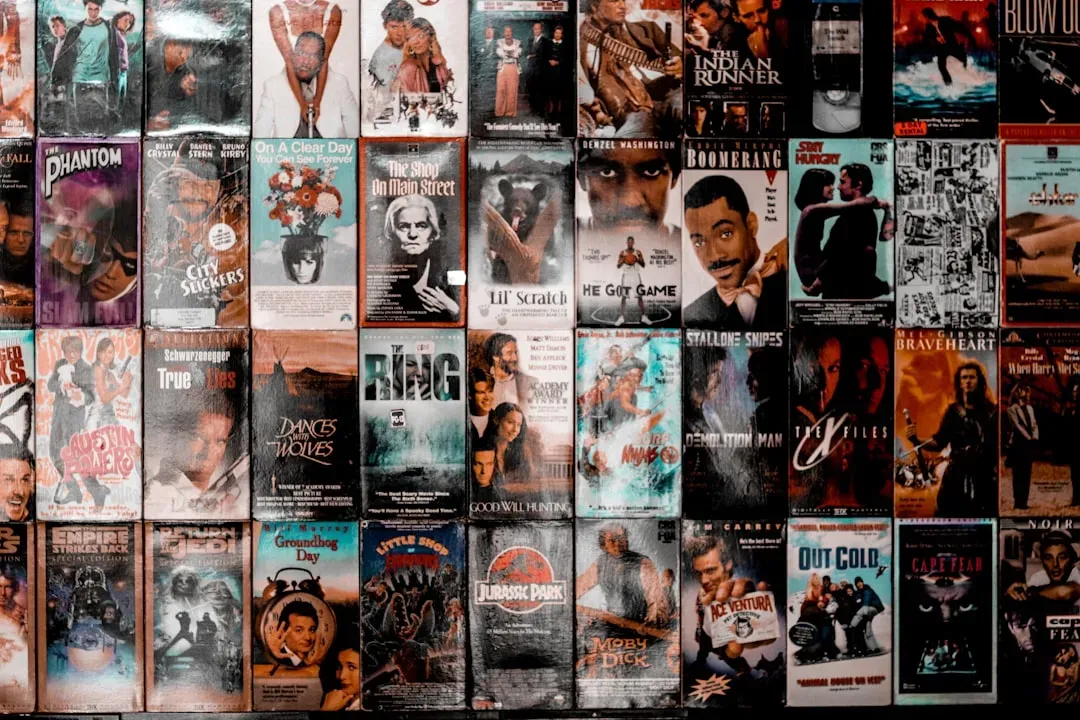
Looking across these examples, the strongest twists share a common trait: they hold up under scrutiny on a second viewing rather than falling apart. A cheap twist depends entirely on the element of surprise, while a great one adds depth and meaning once that surprise has worn off. The films that rank highest here, from “Oldboy” to “The Sixth Sense,” all reward rewatching precisely because the twist was baked into the storytelling from the very first frame.
There’s no universal formula for pulling off a great twist, but the pattern among the best examples is clear enough. They respect the audience’s intelligence, plant fair clues rather than hiding information unfairly, and use the reveal to deepen the story’s themes rather than just generate a gasp. The next time a film tries to surprise you, it’s worth asking not just whether you saw it coming, but whether the story still means something once you did.
Ranking Every Movie Plot Twist Ending From Predictable to Mind-Blowing