1. The clue: wrote a dystopian classic while dying of tuberculosis on a remote Scottish island
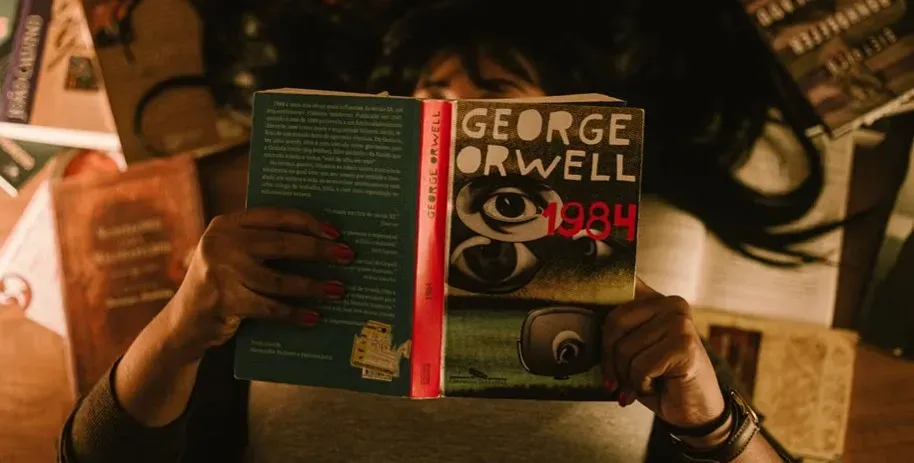
This author finished his most famous novel in 1948 while living in a cold, isolated farmhouse on the island of Jura, battling the illness that would kill him within a year of publication. The book, a grim vision of surveillance and totalitarian control, has become so embedded in modern language that terms like “Big Brother” and “doublethink” are used without most people even realizing their origin.
The writer is George Orwell, born Eric Arthur Blair, whose earlier work included documentary-style accounts of poverty in Paris and London. His fiction consistently returned to themes of political power and manipulation, making him one of the most quoted authors in political journalism today.
2. The clue: published under a male pseudonym to avoid the bias against women writers in her era

This nineteenth-century British novelist released her early work under the name “Currer Bell,” a common practice for women writers hoping to be judged on merit rather than gender. Her most enduring novel follows an orphaned governess who insists on her own moral and emotional independence, a radical stance for a heroine at the time.
She is Charlotte Brontë, author of “Jane Eyre,” and one of three literary sisters whose combined output reshaped English fiction. Her siblings Emily and Anne also wrote under pseudonyms, and all three works were initially met with confusion about the authors’ true identities.
3. The clue: created a fictional Colombian town that became a literary shorthand for magical realism
This Colombian author invented the town of Macondo, a setting so vivid and strange that it gave a whole generation of readers a new way to think about blending the fantastical with the everyday. His 1967 novel about seven generations of one family won him global acclaim and eventually the Nobel Prize in Literature in 1982.
The writer is Gabriel García Márquez, whose novel “One Hundred Years of Solitude” is frequently cited as one of the most influential works of twentieth-century fiction. His prose style inspired countless Latin American writers and helped popularize magical realism as a recognized literary movement worldwide.
4. The clue: spent years as a struggling single parent writing in cafes before creating a boy wizard
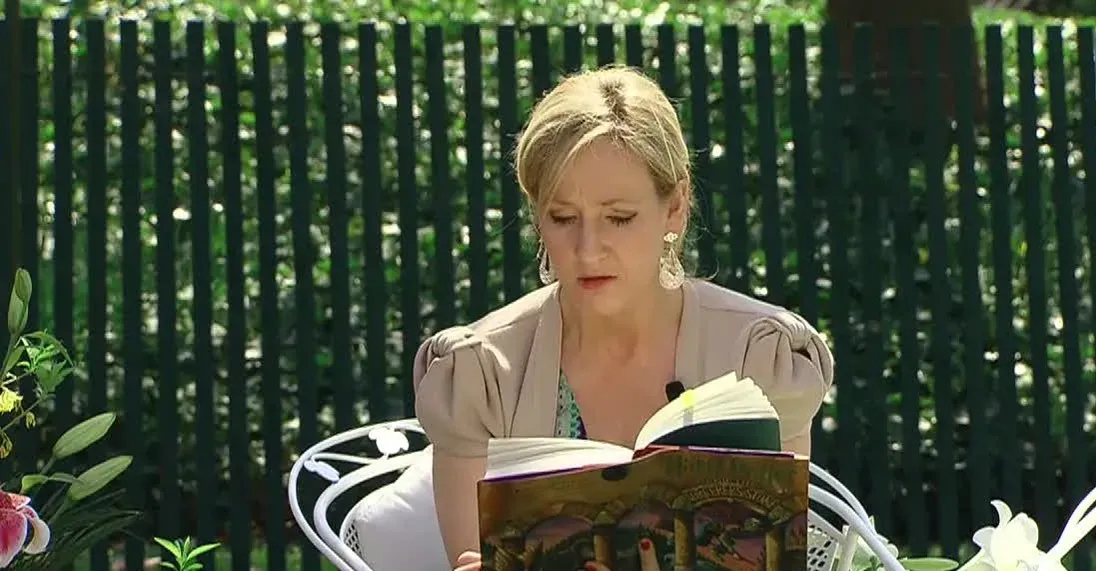
Before achieving massive commercial success, this British author faced rejection from multiple publishers and wrote much of her debut manuscript by hand while raising a young child on very limited income. The manuscript, once accepted, launched a seven-book series that has sold hundreds of millions of copies and become one of the best-selling book series in history.
She is J.K. Rowling, creator of the Harry Potter series, whose books have been translated into over eighty languages according to publisher figures. Her journey from financial hardship to literary phenomenon is often cited as one of publishing’s most dramatic turnaround stories.
5. The clue: wrote entirely in Japanese about surreal, jazz-loving characters who often disappear into wells or alternate realities

This contemporary Japanese novelist blends everyday domestic life with dreamlike, almost hallucinatory plot turns, frequently featuring cats, classical music, and unexplained portals to other worlds. His work has made him a perennial contender for the Nobel Prize in Literature, though he has not yet won it.
The author is Haruki Murakami, whose novels including “Norwegian Wood” and “Kafka on the Shore” have built an international following that spans decades. His distinct atmospheric style, often described as melancholic yet oddly comforting, has influenced writers well beyond Japan’s borders.
6. The clue: an enslaved-turned-freed American woman whose autobiographical narrative helped fuel the abolitionist movement

This nineteenth-century author escaped slavery in North Carolina and later published a first-person account detailing the sexual exploitation and psychological torment she endured, a rarity for its unflinching honesty at the time. The narrative was initially published under a pseudonym before her true identity was later confirmed by historians.
She is Harriet Jacobs, author of “Incidents in the Life of a Slave Girl,” a work now recognized as a foundational text in African American literature and women’s history. Her account remains one of the few surviving slave narratives written explicitly from a woman’s perspective, offering historians a rare firsthand record.
7. The clue: a Russian novelist whose depictions of moral crisis and existential guilt shaped modern psychological fiction
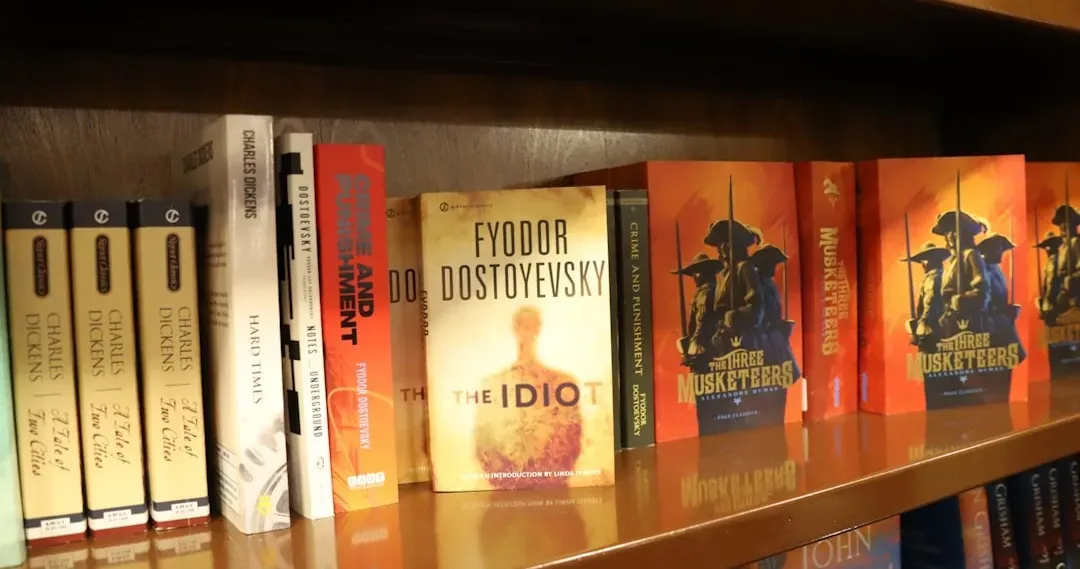
This nineteenth-century writer spent time in a Siberian labor camp after being sentenced for participating in a revolutionary discussion group, an experience that deeply informed his later exploration of guilt, punishment, and redemption. His novels are known for lengthy philosophical digressions delivered through morally tormented characters.
The author is Fyodor Dostoevsky, whose works including “Crime and Punishment” and “The Brothers Karamazov” remain staples of university literature courses worldwide. His influence extends into psychology and philosophy, with thinkers from Nietzsche to Freud engaging directly with his ideas about human nature.
8. The clue: an American playwright and novelist known for exploring racial identity through the lens of a Kansas-raised, Harlem-based literary voice
This author became a central figure of the Harlem Renaissance, blending poetry, fiction, and social commentary to capture the everyday lives and struggles of Black Americans in the early twentieth century. His work often used jazz and blues rhythms as a structural influence, giving his poetry a musical cadence distinct from his contemporaries.
He is Langston Hughes, whose poem “Harlem” and its famous opening question about a dream deferred remain widely taught in American classrooms today. His prolific career spanned poetry, essays, plays, and newspaper columns, cementing him as one of the most versatile literary voices of his generation.
Eight clues, eight very different literary lives, from a dying dystopian novelist on a Scottish island to a formerly enslaved woman whose testimony reshaped American history. Whether you named all eight instantly or needed a moment to place a few, each one represents a distinct thread in the wider fabric of world literature.
Only a True Literature Fan Can Name All 8 of These Authors From One Clue