1. Paul McCartney secretly died in 1966 (The Beatles)
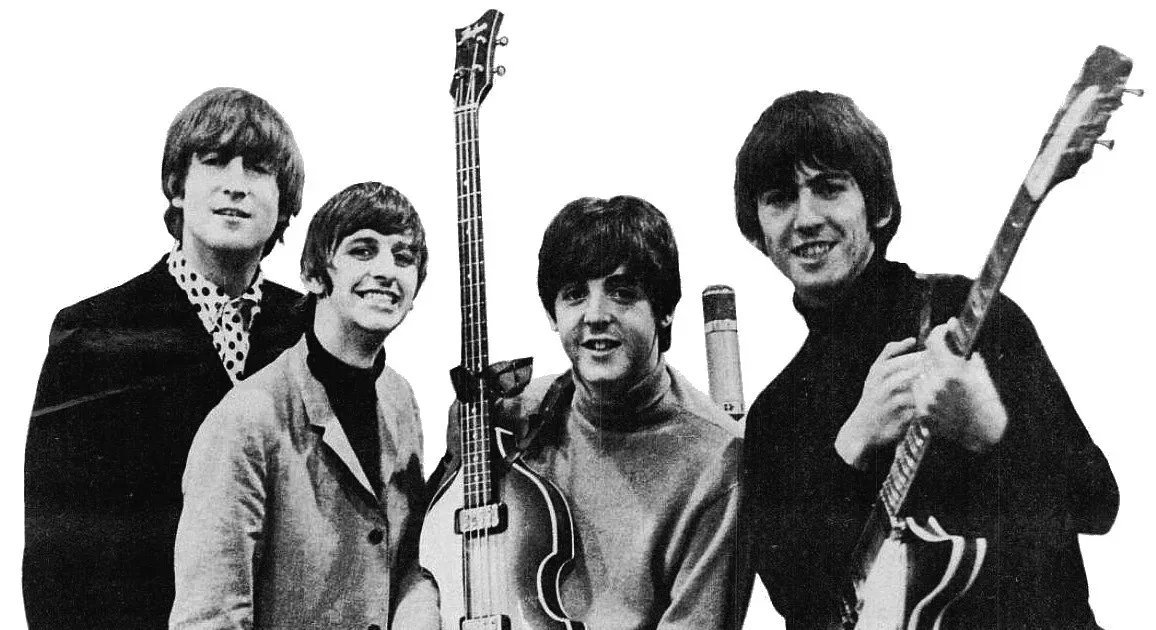
The most famous conspiracy theory in music history claimed that Paul McCartney of the Beatles died in 1966 and was secretly replaced by a look-alike, with the rumour gaining broad popularity in September 1969 following reports on American college campuses. Fans pointed to backward lyrics, barefoot album covers, and cryptic phrases as proof that the surviving band members had covered it up.
The whole thing traces back to a satirical newspaper piece. A student named Tim Harper published an article titled ‘Is Beatle Paul McCartney Dead?’ in Drake University’s student newspaper, which became the catalyst that turned an obscure rumor into an international phenomenon. McCartney is, of course, still alive and still performing decades later, which makes this one of the longest running hoaxes in pop culture.
2. “Stairway to Heaven” hides a satanic message when played backward (Led Zeppelin)

For decades, religious broadcasters insisted that Led Zeppelin buried a demonic message inside their most famous song. A televangelist claimed that when you play the “bustle in your hedgerow” line backwards, it actually says a tribute to Satan involving the number 666. The claim spread through churches and youth groups throughout the 1980s.
The band and their engineers flatly denied ever doing this intentionally. Their label responded simply that their turntables only played in one direction, forwards, and audio engineer Eddie Kramer called the accusation totally and utterly ridiculous, questioning why anyone would spend studio time on something so pointless. What people were actually hearing was a well documented psychological effect where the brain finds patterns in random reversed audio, not a hidden message planted by the band.
3. KISS stands for “Knights In Satan’s Service” (KISS)
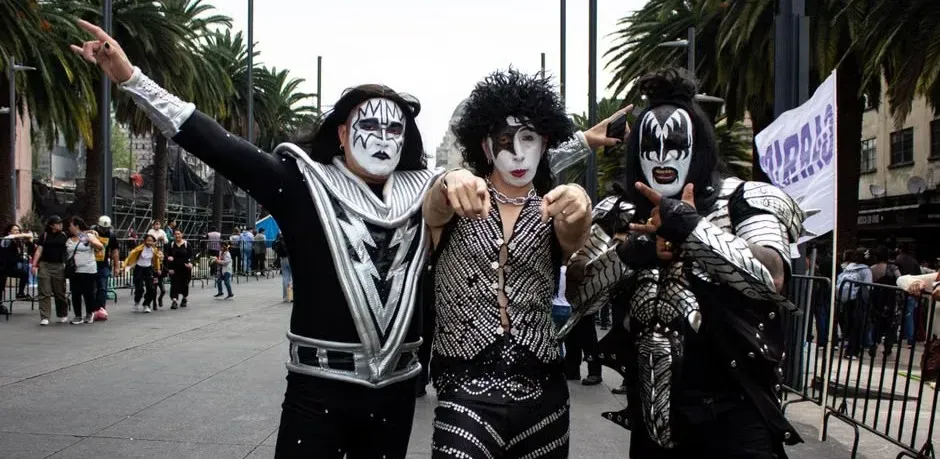
Because of their painted faces and theatrical stage shows, KISS spent the late 1970s fending off rumors that their name was a secret acronym tied to devil worship. The theory claimed the band had chosen the name as a coded declaration of allegiance to dark forces, and it fed directly into the same backmasking panic that hit Led Zeppelin and other acts of the era.
There has never been any evidence connecting the band’s name to that meaning, and members of the group have repeatedly denied it over the years. The name is generally understood to have come from a much simpler, far less sinister place, tied to the band’s glam rock roots rather than any occult symbolism. The myth stuck around mostly because it fit the moral panic that swept through American media during the early 1980s.
4. “Hotel California” is about a satanic church (Eagles)
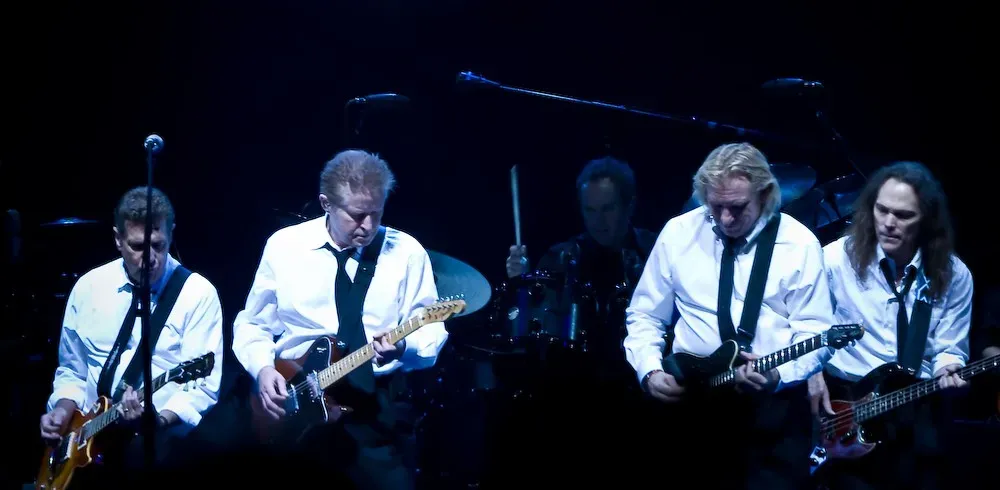
The Eagles’ 1976 hit has been dissected by conspiracy theorists for nearly fifty years, with some claiming the lyrics describe the Church of Satan and its founder Anton LaVey. The theory gained traction partly because the band’s album artwork was photographed at a hotel that fans linked to occult imagery, and because the lyrics themselves are famously cryptic.
Band members have addressed this repeatedly, explaining that the song is a commentary on the excess and emptiness of the music industry and California culture in the 1970s, not a tribute to any religious group. There is no documented connection between the Eagles and the Church of Satan beyond the coincidental proximity of the photographed hotel. The song’s mysterious tone, rather than any hidden message, is what kept the theory alive for so long.
5. Ozzy Osbourne bit the head off a bat as a planned stunt (Ozzy Osbourne)
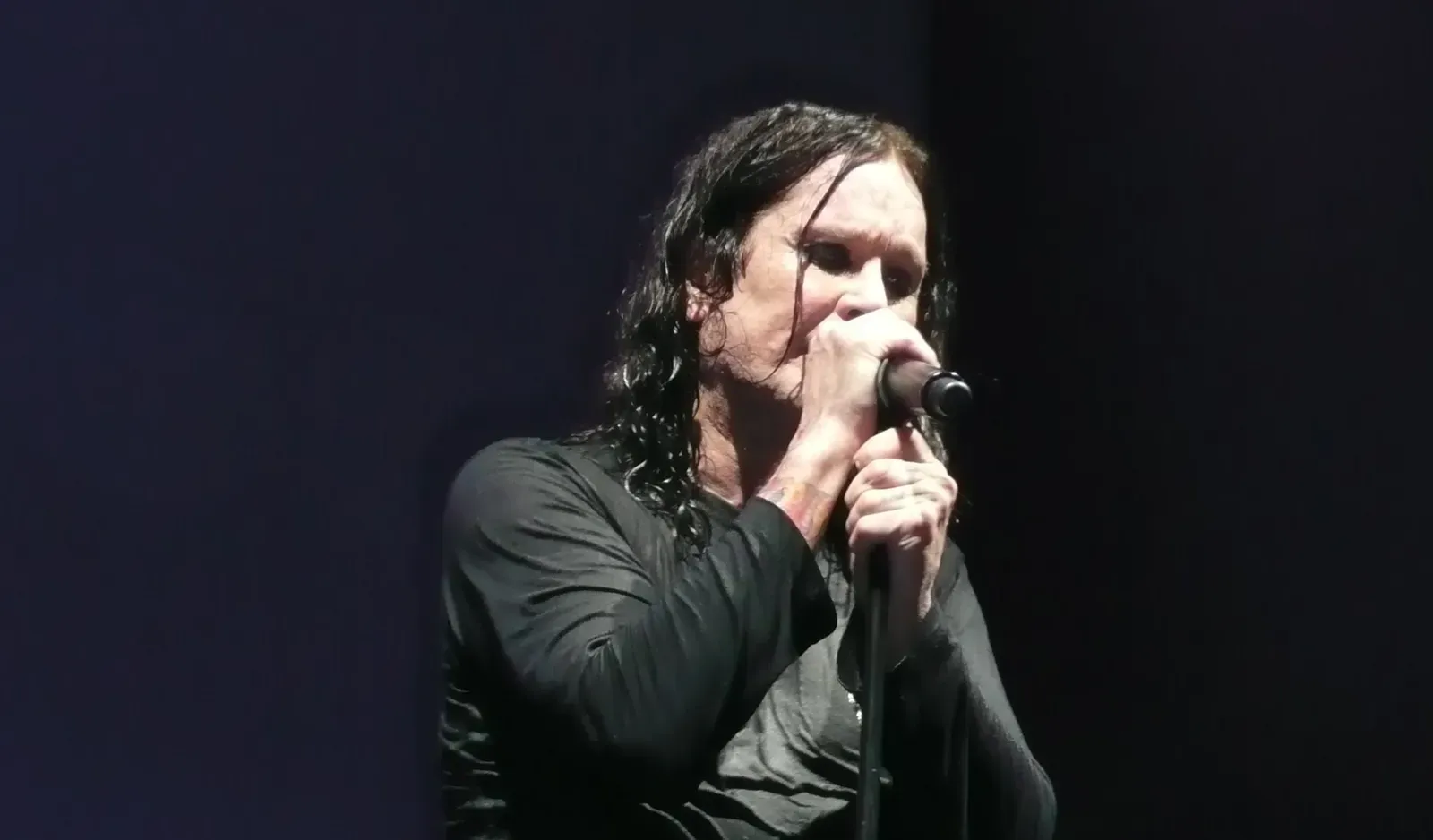
Many fans assumed Ozzy’s infamous bat incident was a scripted piece of shock theater, staged for maximum controversy. The reality was far less calculated. A teenage fan had brought a dead bat to the show and threw it onto the stage, and Osbourne, seeing the carcass, thought it was a rubber toy bat before picking it up and biting off the head.
He realized his mistake almost immediately. Osbourne later explained, “I thought it was a rubber bat. I picked it up, put it in my mouth, crunched down, bit into it, being the clown that I am.” The aftermath was very real too, as bats are among the biggest carriers of rabies in the world, forcing Ozzy to undergo a painful series of rabies shots afterward.
6. Freddie Mercury had a documented four octave vocal range (Queen)

For years, it was treated as established fact that Freddie Mercury possessed one of the widest vocal ranges in rock, spanning four full octaves. This claim appeared in countless articles, biographies, and even reference entries about the Queen frontman, cementing itself as common knowledge among fans.
A 2016 acoustic study actually tested the claim using archival recordings and vocal imitation under high speed camera analysis. Researchers found that speculation about a range over four octaves could not be substantiated, with lead author Christian Herbst concluding that Mercury’s voice range was normal for a healthy adult, not more, not less. The study did confirm something arguably more interesting, that Mercury was probably a baritone who sang as a tenor with exceptional control over his voice production technique, which explains his distinctive sound better than raw range ever could.
7. “Louie Louie” contained obscene lyrics hidden in mumbled vocals (The Kingsmen)

In the mid 1960s, rumors spread across American high schools that the Kingsmen’s garage rock hit “Louie Louie” contained explicit, hidden lyrics buried beneath its notoriously slurred vocal delivery. The rumor grew large enough that parents wrote to the FBI, convinced their children were being exposed to obscene material disguised as a harmless dance tune.
The FBI actually opened a formal investigation into the song, spending over two years analyzing the recording at different speeds to decode the supposed dirty lyrics. Agents ultimately closed the case without finding any evidence of obscenity, largely because the vocals were simply recorded poorly, not because anything scandalous was intentionally buried in the mix. The song’s real lyrics turned out to be a fairly innocent tale about a sailor missing his girlfriend, a far cry from what generations of teenagers swore they could hear.
8. “Sympathy for the Devil” caused the violence at Altamont (The Rolling Stones)

After a fan was killed by Hells Angels security during the Rolling Stones’ free concert at Altamont Speedway in December 1969, a persistent story claimed the band was performing “Sympathy for the Devil” at the exact moment the violence broke out, as though the song itself had somehow summoned disaster. The narrative fit neatly into the era’s growing anxiety about rock music and dark themes.
Contemporary accounts and later documentary footage clarified that the fatal stabbing actually occurred during a different song later in the set, not during “Sympathy for the Devil” itself. The band, understandably shaken by the tragedy, even stopped performing the song live for several years afterward, which likely helped cement the false timeline in public memory. The real causes of the Altamont tragedy were poor security planning and an already volatile crowd, not anything embedded in the Stones’ setlist.
Taken together, these stories say as much about audiences as they do about the bands themselves. Rumors like these spread fastest when a song, an image, or an incident already feels larger than life, leaving just enough ambiguity for imagination to fill in the rest. Decades later, most of these myths have been thoroughly documented and debunked, yet they persist simply because a good story about a legendary band is hard to let go of, even once the facts say otherwise.
8 Music Myths About Legendary Bands That Turned Out to Be Made Up