What follows is a look at ten ideas from the ancient world that never really left us. They just got quieter, blending into daily routines until we stopped noticing them at all.
1. The wheel and axle
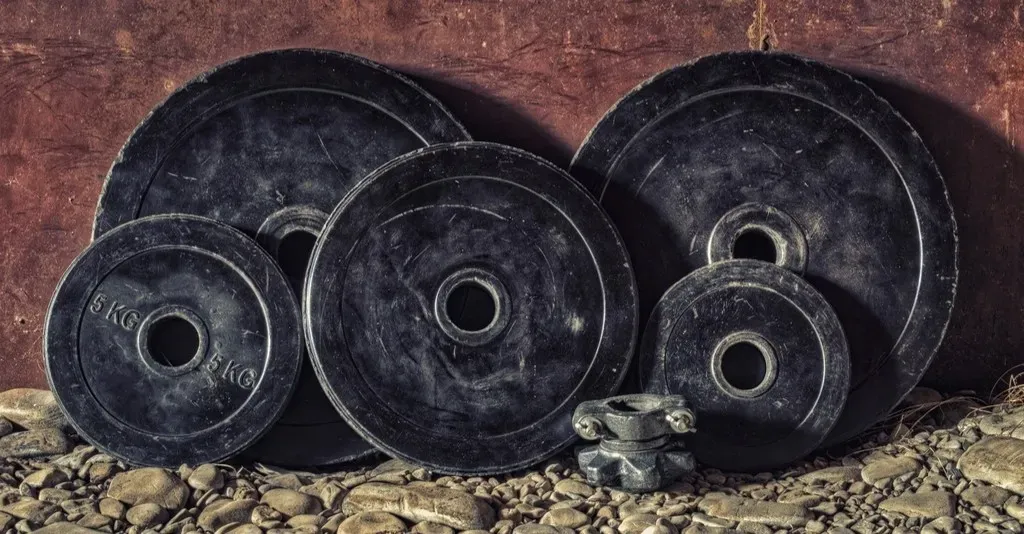
The wheel shows up in Mesopotamia around 3500 BCE, though early versions were used for pottery before anyone thought to put them on a cart. Combining a wheel with an axle turned out to be the harder engineering problem, since the two pieces need to rotate independently for the whole thing to work efficiently. Once that was solved, transportation and machinery changed permanently, and the basic mechanism hasn’t needed reinventing since.
Modern cars, bicycles, trains, and factory machinery all rely on the same core principle those early Sumerian engineers figured out. Even something as advanced as a jet engine’s turbine still uses rotational mechanics rooted in that original insight. It’s a rare case where the ancient solution was close enough to optimal that thousands of years of technology didn’t need to replace it, only refine it.
2. Concrete construction
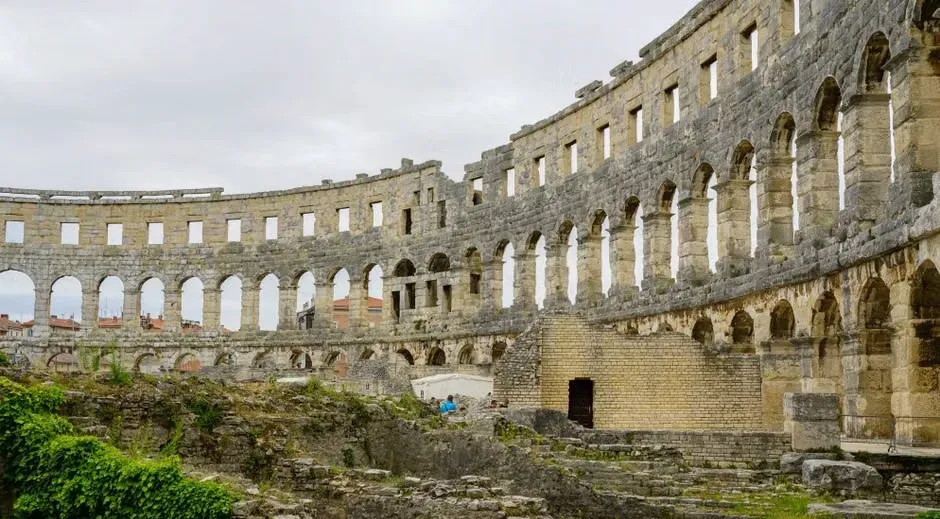
Roman concrete, known as opus caementicium, allowed builders to create structures like the Pantheon’s dome, which still stands as the world’s largest unreinforced concrete dome nearly two thousand years after it was built. Researchers have found that Roman concrete used a specific mix of volcanic ash and lime that made it more durable in some ways than a lot of modern concrete, especially in marine environments. Studies published in recent years have shown that self-healing properties in Roman concrete come from lime clasts that react with water over time, sealing cracks before they spread.
Modern engineers have actually studied these ancient formulas to improve contemporary building materials, particularly for structures exposed to saltwater. The basic idea, combining a binder with aggregate to create a solid mass, remains unchanged even though the chemistry has evolved. Every skyscraper foundation and highway overpass owes something to that original Roman recipe.
3. Written contracts and law codes

The Code of Hammurabi, carved into stone around 1754 BCE in Babylon, laid out specific laws and penalties in a way that formalized the idea of written legal accountability. Before this, disputes were often settled through custom or the judgment of local rulers without much consistency. Having laws written down meant people could reference a fixed standard, which is a concept that underpins every modern legal system.
Contract law, property rights, and even the structure of punishment matching the severity of a crime all echo back to these early codes. Modern courts obviously operate with far more nuance and due process protections, but the foundational idea, that rules should be public, consistent, and enforceable, started with these ancient texts. It’s easy to forget that “the law is the law” wasn’t always a given.
4. The calendar system

Ancient Egyptians developed a 365 day calendar based on the flooding cycles of the Nile and the movement of stars, dividing the year into twelve months of thirty days plus five extra days. This structure influenced the Roman calendar, which Julius Caesar reformed in 45 BCE into the Julian calendar, a system that stayed in use for over 1,600 years. The Gregorian calendar, introduced in 1582 to correct drift in the Julian system, is what most of the world still uses today.
That means the calendar hanging in your kitchen right now is a direct descendant of a system Egyptian astronomers pieced together by watching the sky and the river. The twelve month structure, the leap year concept, even the idea of naming days and tracking them in a grid, all trace back through this long chain. It’s one of the clearest examples of an ancient system surviving almost entirely intact.
5. Plumbing and sewage systems
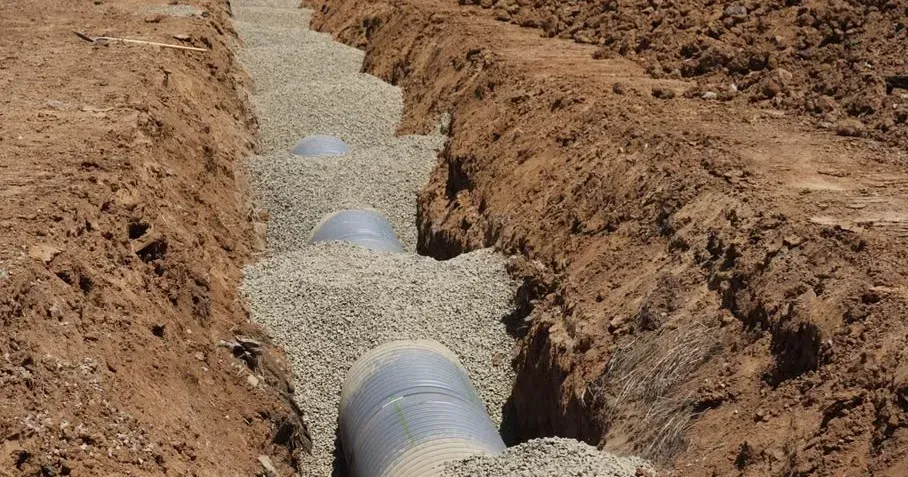
The Indus Valley Civilization, particularly at sites like Mohenjo-daro around 2500 BCE, had covered drains, private bathrooms, and a surprisingly sophisticated wastewater system for a city of that age. The Romans later expanded on similar ideas with aqueducts and the Cloaca Maxima, a sewer system that some sections of which remained functional for centuries. These weren’t crude ditches either, they involved planning, gradient calculations, and materials chosen specifically for durability.
Modern sanitation engineering still relies on the same basic principles, moving water and waste using gravity, sealed channels, and planned infrastructure. Public health outcomes improved dramatically once cities adopted these systems, a pattern that repeated itself when industrial era cities rebuilt sewage networks in the nineteenth century. The connection between clean water access and disease reduction was understood, at least practically, thousands of years before germ theory existed.
6. The abacus and early counting systems

The abacus, with versions appearing in Mesopotamia, China, and later Rome, gave people a physical tool for doing arithmetic long before written numeral systems were common or standardized. Merchants, tax collectors, and builders used these devices to handle calculations that would otherwise require memorization or slow manual counting. In parts of the world, particularly in some regions of Asia, abacuses are still taught in schools today as a way to build number sense.
The logical structure behind the abacus, representing quantities in a positional system, laid conceptual groundwork for the numeral systems we use now. Even digital calculators and computers, in a very abstract sense, are doing the same job that ancient counting boards did, just electronically and at a vastly larger scale. It’s a good reminder that computation didn’t start with silicon, it started with beads and grooves in a wooden frame.
7. Paper and writing surfaces
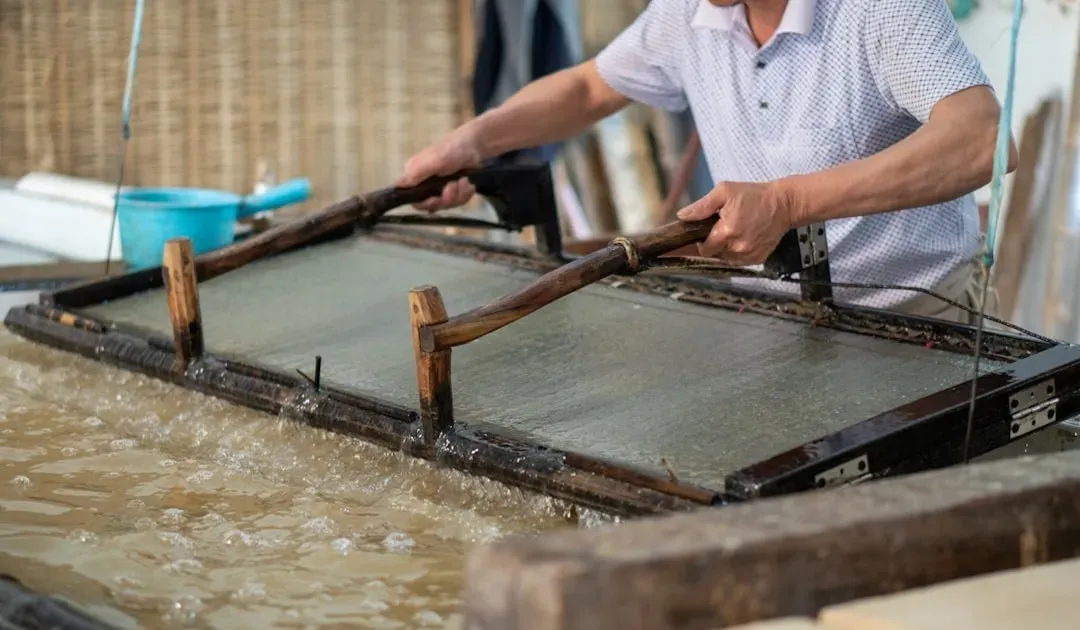
Papermaking is generally credited to China around 105 CE, attributed to a court official named Cai Lun, though evidence suggests informal paper-like materials existed even earlier. Before paper spread west, Egyptians used papyrus and various cultures used parchment, but paper’s low cost and relative durability eventually made it the dominant writing surface across most of the world. It took centuries for papermaking techniques to travel along trade routes into the Islamic world and then into Europe by the twelfth century.
Every book, newspaper, and printed document that followed depended on this technology existing first. Even now, in a world dominated by screens, paper remains essential for everything from currency to packaging to official records. The digital shift hasn’t eliminated it so much as reduced its role, which says something about how deeply embedded the invention became.
8. Coinage and standardized currency
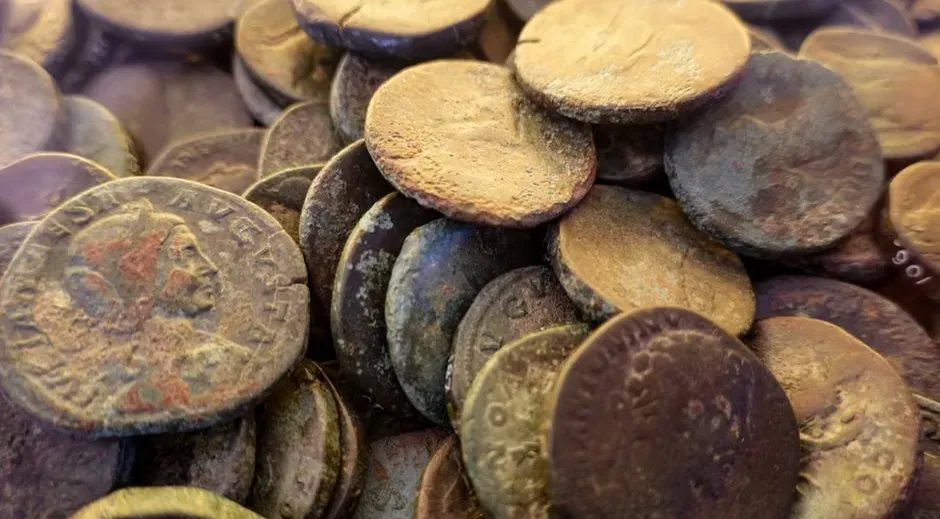
The Lydians, in what’s now western Turkey, are widely credited with minting the first standardized metal coins around 600 BCE, using electrum, a naturally occurring alloy of gold and silver. Before coinage, trade relied heavily on barter or weighed precious metals, which made transactions slow and inconsistent since value had to be assessed each time. Standardized coins solved that by guaranteeing a fixed weight and purity, backed by the authority that minted them.
This idea evolved into paper currency, and eventually into the digital transactions that dominate commerce today, but the underlying concept hasn’t changed much. Money still works because people trust a standardized system backed by some form of authority, whether that’s a government or, more recently, decentralized networks. Even cryptocurrency, despite feeling entirely modern, is solving the same basic trust and verification problem that Lydian coin makers addressed over two and a half thousand years ago.
9. Road networks and infrastructure planning
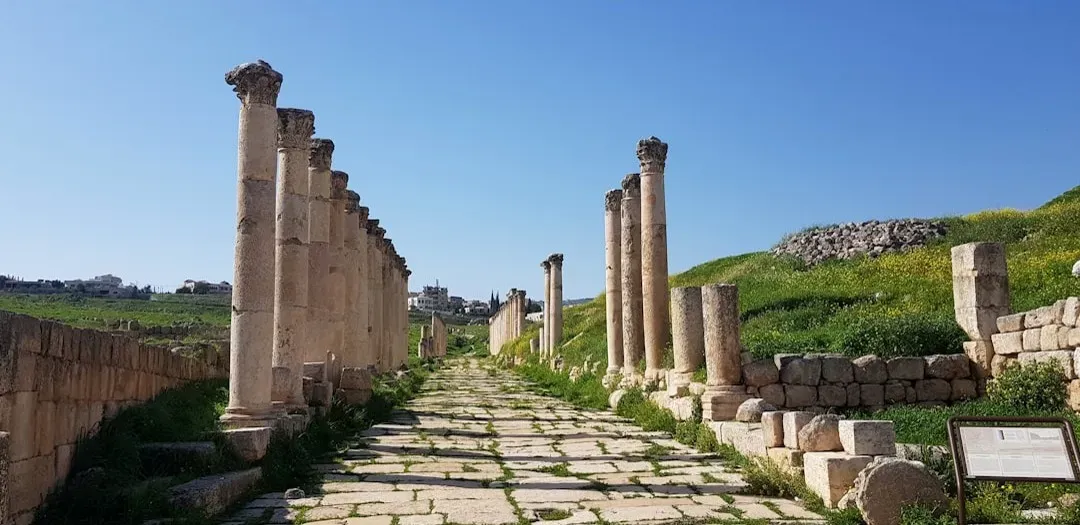
The Roman road system, which eventually stretched over 50,000 miles across the empire, connected cities and military outposts with a level of engineering precision that included layered construction for drainage and durability. Some of these roads, like sections of the Appian Way, are still walkable today, nearly 2,300 years after construction began. Roads weren’t just about movement either, they enabled trade, communication, and the rapid deployment of information across huge distances.
Modern highway systems follow the same logic, prioritizing connectivity between major population centers and building layered surfaces designed to handle weight and weather. City planners still study Roman urban layouts when designing efficient transportation grids. The phrase “all roads lead to Rome” wasn’t just a saying, it reflected an actual planning philosophy that shaped how infrastructure gets built even now.
10. Irrigation and agricultural engineering
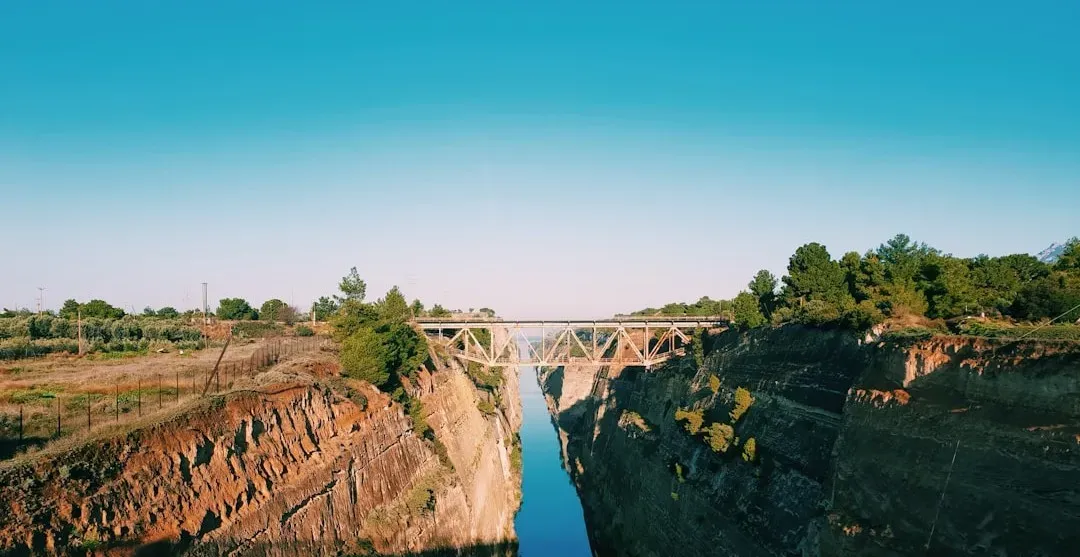
Ancient Mesopotamians developed canal systems along the Tigris and Euphrates rivers as early as 6000 BCE, redirecting water to support crops in an otherwise arid region. This kind of engineered water management allowed populations to grow beyond what natural rainfall could support, which in turn enabled the rise of cities and more complex social structures. Similar systems developed independently in ancient China, Egypt, and parts of Central America, showing how universally necessary the problem was.
Modern agriculture still depends on irrigation infrastructure, just with added technology like sensors, pumps, and satellite monitoring for efficiency. The basic challenge, moving water from where it is to where crops need it, hasn’t changed even as the tools have become vastly more precise. Large scale farming as we know it simply wouldn’t exist without this ancient breakthrough in water management.
These innovations rarely get much attention because they’ve become invisible through familiarity. Nobody thinks about Sumerian engineers when they’re driving to work, or about Lydian mint workers when tapping a card to pay for coffee. Yet the structures, systems, and habits built thousands of years ago are still doing quiet, essential work underneath nearly everything modern life depends on.