The following ten cases show how test audiences, tragic timing, and studio nerves can rewrite a movie after the lights have already gone up once.
2001: A Space Odyssey and the twenty minutes Kubrick cut
Stanley Kubrick’s science fiction epic premiered in April 1968 to an audience that, by his own account, grew restless during the film’s slower stretches. Kubrick was concerned that the film was making his audience a bit too “restless” after its world premiere, so he made the decision to head back into the editing bay to cut nearly 20 minutes from the film for its wide release. The trims were made fast and under pressure, with instructions sent out to theaters that already had the longer prints in hand.
Kubrick and his editor, Ray Lovejoy, trimmed the film together over four days of work, and instructions on how to cut the shipped prints of the film were sent to theater owners who already had their longer copies, which likely led to some discrepancies in what was actually cut. That footage has never officially resurfaced, meaning the version most people know today is already a compromise made under deadline pressure.
Titanic’s darker detour that test audiences rejected
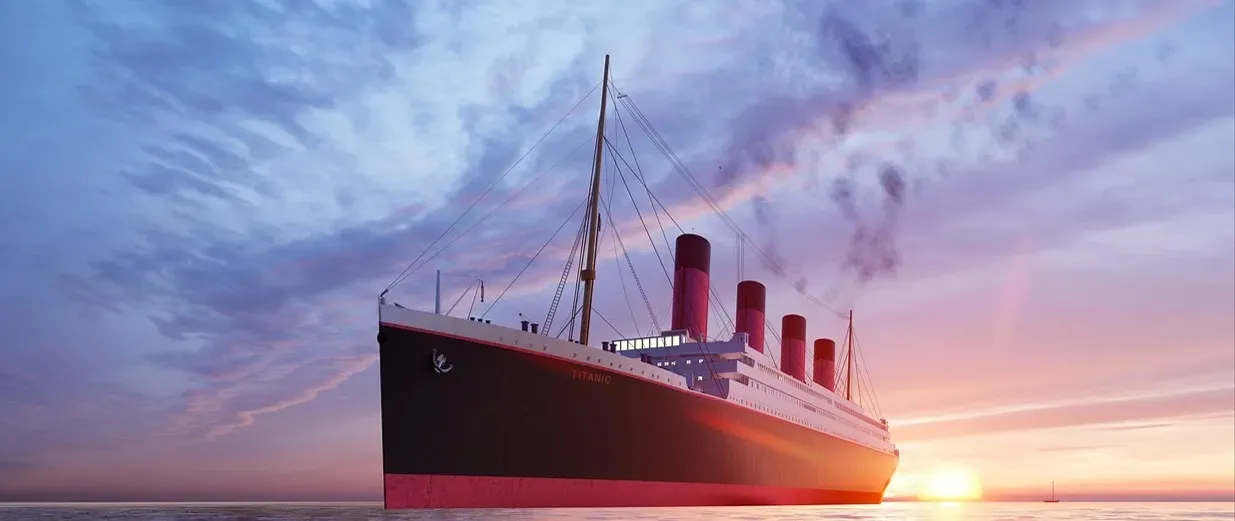
James Cameron’s disaster epic originally included a scene where Cal Hockley, the film’s antagonist, tries to take his own life after the ship goes down. An earlier version of the film included a scene where Cal attempts suicide after the ship sinks, but test audiences reacted negatively, finding it jarring and unnecessary, so James Cameron chose to cut it to maintain the film’s focus. A related sequence, a tense chase between Jack and the ship’s officer Lovejoy, met a similar fate.
Test audiences hated that fight scene, and director James Cameron later said audiences accepted the jeopardy of the ship sinking so strongly that a guy chasing them around with a gun didn’t seem plausible or scary. Once the scene disappeared, test screening scores went up noticeably, which told Cameron he had made the right call.
Superman’s Krypto scene that didn’t survive the first reactions
James Gunn’s 2025 relaunch of Superman built a lot of its early buzz around Krypto, the super powered dog who steals scenes throughout the film. During test screenings, a moment showing the villain Ultraman striking Krypto during the Fortress of Solitude battle landed badly with viewers. Cast member Sara Sampaio said the studio actually cut a worse scene than fans realized, revealing that they cut Ultraman punching Krypto after the reaction.
The backlash reportedly came fast, with one attendee reacting to the moment with open dismay during the screening itself. It’s a small example, but it shows how a single beat involving a beloved character can outweigh far bigger story concerns once real audiences weigh in.
Gangster Squad’s theater shootout, pulled after real world tragedy
Warner Bros. had a finished cut of this 1940s crime drama ready to go before disaster intervened. When the film was finished and ready for release, the Aurora shooting left twelve dead in a movie theater, prompting Warner Bros. to reshoot a specific scene featuring a shoot-out in Grauman’s Chinese Theatre and pushing the release back from September 2012 to January 2013. The original sequence had mobsters bursting through a movie screen and opening fire on the crowd, a beat that suddenly felt unthinkable to release.
The crime drama had originally included a sequence with gun wielding mobsters attacking inside Grauman’s Chinese Theatre from behind the screen before spilling into the streets, but the key sequence was scrapped and the action was moved to the streets of Chinatown in Los Angeles instead. Director Ruben Fleischer and much of the cast returned for several nights of reshoots to build a replacement scene from scratch.
Sunset Boulevard’s morgue scene that made preview crowds laugh
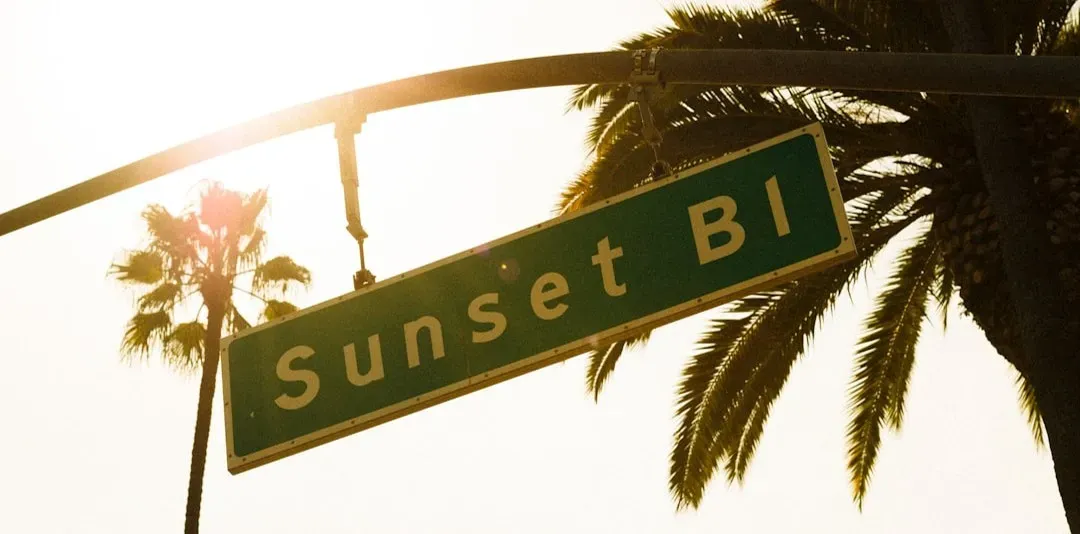
Billy Wilder’s classic originally opened with a corpse narrating its own story from inside a Los Angeles morgue, chatting with other dead bodies about how they ended up there. The first edit of the film was set in a morgue with a corpse talking to the screen, but preview audiences apparently roared with laughter thinking it was a comedy, so it was swiftly removed by director Billy Wilder. It’s a striking example of tone misjudged so badly that the entire opening had to be rebuilt.
Test screening audiences instead saw Joe Gillis waking up dead in a mortuary and telling his story to other corpses, finding the mortuary scene hilarious and then confused by the more serious scenes that followed, so edits were made. The replacement, a body floating face down in a swimming pool with voiceover narration, became one of cinema’s most famous opening images instead.
Clerks and the ending Kevin Smith didn’t know how to write
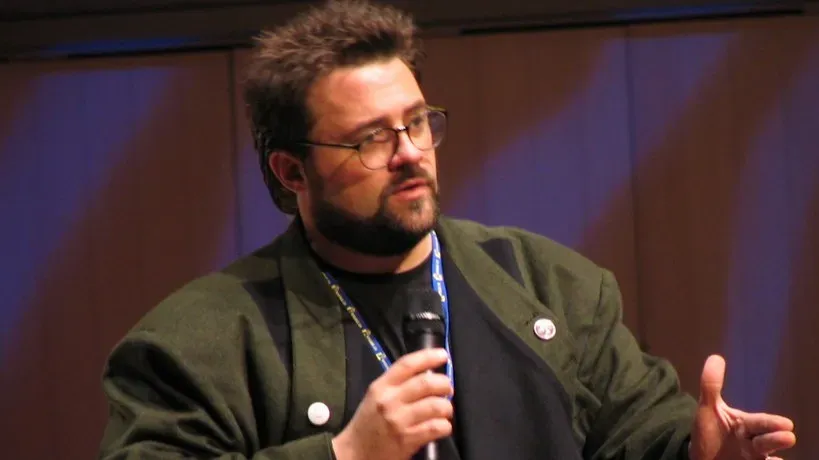
Kevin Smith’s low budget breakout originally ended with its convenience store clerk protagonist being shot dead by a robber, a bleak final beat for a scrappy comedy. When first screened at the International Feature Film Market, the film ended with Dante being shot and killed by a robber, but based on advice from that screening Smith cut the final scene to end the film when Randal leaves the store instead. It’s a rare case of a filmmaker openly admitting he simply hadn’t figured out his own ending yet.
Kevin Smith later admitted he hadn’t really known how to end a movie at that point in his career, though he brought the idea back for a meta joke years later. That callback, decades on in Clerks III, turned an early misstep into a running joke about his own growth as a filmmaker.
Goodfellas and the violence Scorsese had to dial back
Martin Scorsese’s gangster classic went through real changes after its first screenings, particularly around how graphic its violence could be. Following the screening, Scorsese began tweaking the movie’s edit, working directly with editor Thelma Schoonmaker to determine precisely how many stab wounds one character could sustain on film before it became gratuitous, relegating the rest to off-screen sound effects. Not every note led to a cut, though.
Not all screening comment cards resulted in cuts, and Scorsese revealed that while the violence was too much for viewers, they loved his own real-life mother in her small role, so their feedback saved that heartwarming sequence from the cutting room floor. The finished film ended up threading a careful needle between brutality and warmth largely because of that early audience feedback.
Pride and Prejudice’s kiss that vanished, then came back
The 2005 adaptation starring Keira Knightley and Matthew Macfadyen originally ended on a tender, romantic beat between the newly married couple, but British test audiences didn’t respond the way filmmakers hoped. A new final scene showing the couple enjoying a peaceful evening after their wedding was cut after British test audiences found it unintentionally hilarious. The scene was pulled from the UK release entirely while American audiences got to keep it.
It had been removed from the British version after preview audiences found it unintentionally humorous, but later audiences complained they were excluded from viewing this version, causing the film to be re-released in the UK and Ireland ten weeks after the original UK premiere date. That reversal is unusual on its own, showing how quickly studios will flip a decision once public complaints outweigh the original test screening data.
Men in Black II’s rewritten climax after September 11
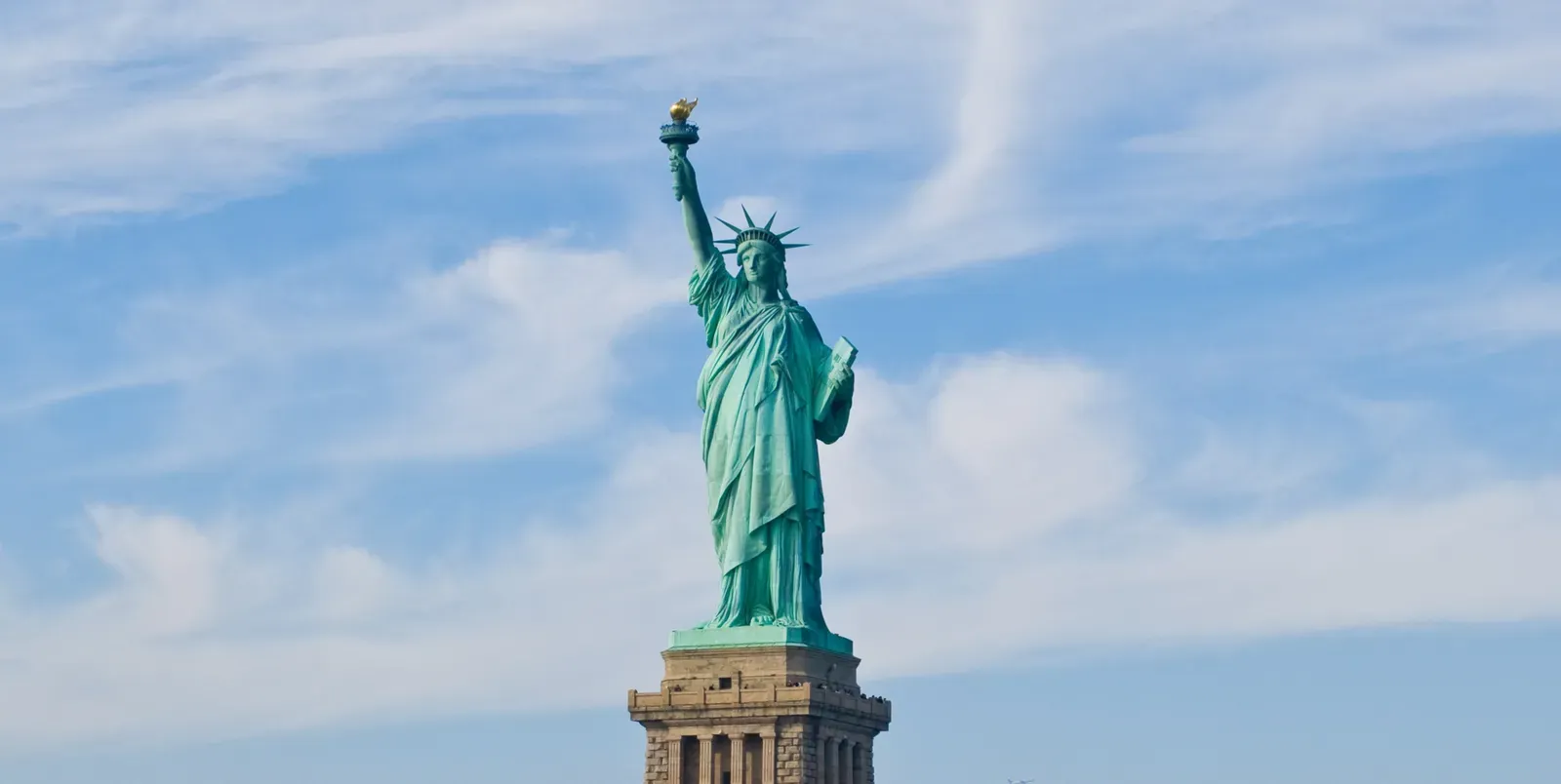
This Will Smith sequel had already filmed its big finale at the World Trade Center before real world events forced a complete rethink. In the final film, the climax takes place at the Statue of Liberty, but the scene originally took place at the World Trade Center with the Twin Towers prominently featured, and after the September 11 attacks the scene was quickly reworked to take place at the Statue of Liberty instead. The switch happened fast, under the kind of pressure no studio wants to face so close to a release date.
It stands as one of the clearest examples of a blockbuster changing not because of audience reaction but because the world itself shifted underneath the finished film. The Statue of Liberty setting that audiences know today exists purely because a tragedy made the original ending unreleasable.
Deadpool 2’s darker time travel gag that went too far
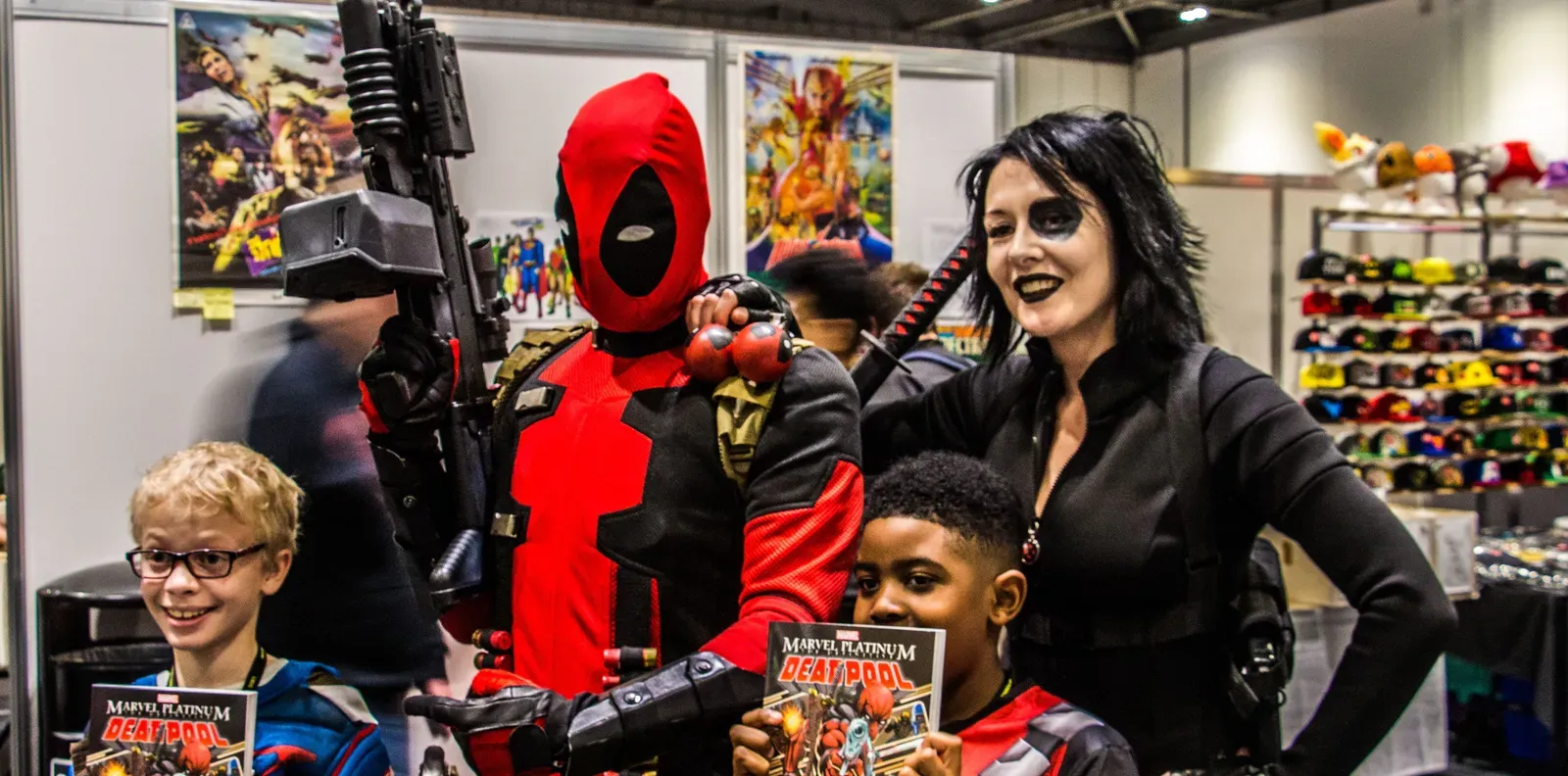
Ryan Reynolds’ foul mouthed superhero sequel is known for pushing boundaries, but even this franchise found a line it couldn’t cross. Deadpool 2 is an incredibly raunchy comedy, but one scene was too dark for the sequel, initially filmed with Deadpool traveling back to 1889 using Cable’s time travel device on a mission. The joke involved the character encountering a baby version of a notorious historical figure, and the scene’s original ending was considerably darker than what audiences eventually saw.
In the scene, the character wrestles with what he should do before reaching into a crib as it cuts to black, and it’s pretty grim, so the scene was cut for obvious reasons. A softer version eventually surfaced on an extended home video cut, showing the joke resolved far more gently than the theatrical audience was originally meant to see.
Test screenings, premieres, and real world events all serve the same basic function in these stories: they force filmmakers to see their own work through someone else’s eyes before it’s too late to change course. Some of these cuts were about taste, some were about timing, and a couple were about simple respect for tragedy happening in the real world. What they share is a reminder that a finished film is rarely as finished as it looks on opening night.