What follows isn’t a ranking of the greatest albums ever made, though several would land near the top of that list too. It’s a look at ten records specifically built for repeat listening, the kind where headphones and a quiet room reveal something the car stereo never could.
1. Pink Floyd, The Dark Side of the Moon
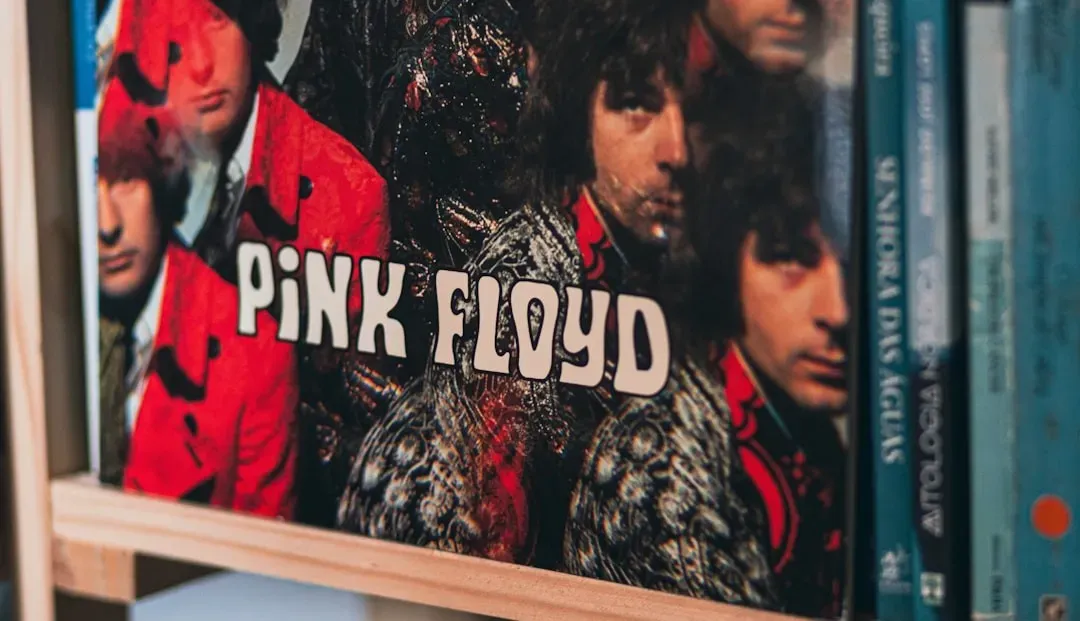
Released in 1973, this album turned studio experimentation into something coherent and strangely comforting. The heartbeat that opens and closes the record, the cash register loop in “Money,” the layered vocals in “The Great Gig in the Sky,” none of it feels gimmicky once you’ve lived with the album for a while. Each listen tends to surface a new detail buried in the mix, whether it’s a synthesizer texture or a spoken-word snippet recorded from random interviews.
Part of the reason it holds up is structural. The album was designed as a continuous piece, with tracks bleeding into one another so the transitions themselves become part of the meaning. Fans have long noted how the record’s themes of time, mortality, and mental strain feel more pointed with age, both the listener’s and the album’s own.
2. The Beach Boys, Pet Sounds
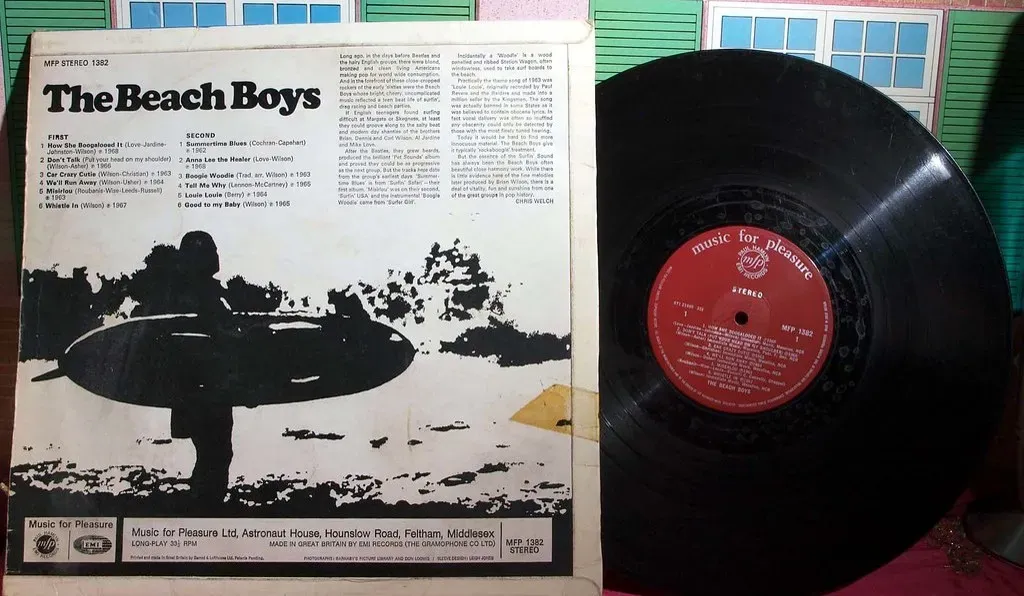
Brian Wilson built this 1966 album almost like a composer, layering strings, woodwinds, and unconventional instruments like bicycle bells and dog whistles into pop arrangements nobody else was attempting at the time. On a casual listen, it sounds like a beautiful but fairly conventional record. Go deeper, though, and the arrangements reveal themselves as intricate, almost orchestral in how many moving parts are happening at once.
Songs like “God Only Knows” and “Caroline, No” carry emotional weight that tends to land harder as listeners get older themselves. The production choices, close harmonies stacked over unusual chord changes, reward close attention in a way that few pop records from that era do. It’s an album that ages with its audience rather than staying fixed in one moment.
3. Radiohead, OK Computer
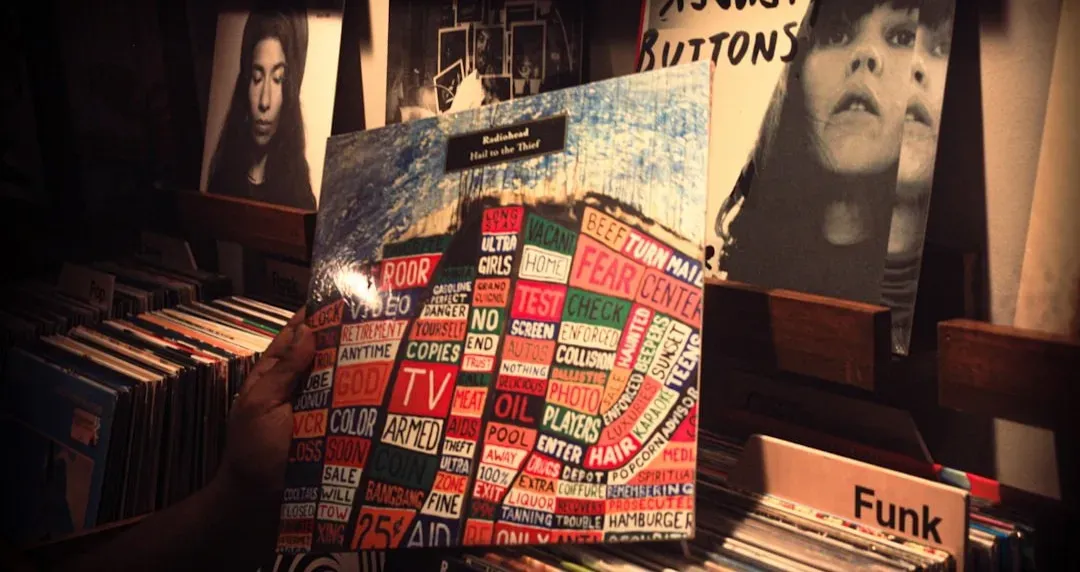
When this came out in 1997, some listeners heard a rock album with odd textures. Almost three decades later, its anxieties about technology, alienation, and information overload read less like art-rock abstraction and more like a fairly accurate forecast. That shift in context alone makes repeat listens feel different than they did in the late nineties.
Musically, the album rewards attention because of how much is happening beneath the surface, the guitar textures on “Paranoid Android,” the string arrangement tucked into “Exit Music (For a Film),” the way “Climbing Up the Walls” builds dread through layered dissonance. It’s dense without being difficult, which is a hard balance to strike and part of why the record keeps getting rediscovered by new listeners.
4. Fleetwood Mac, Rumours
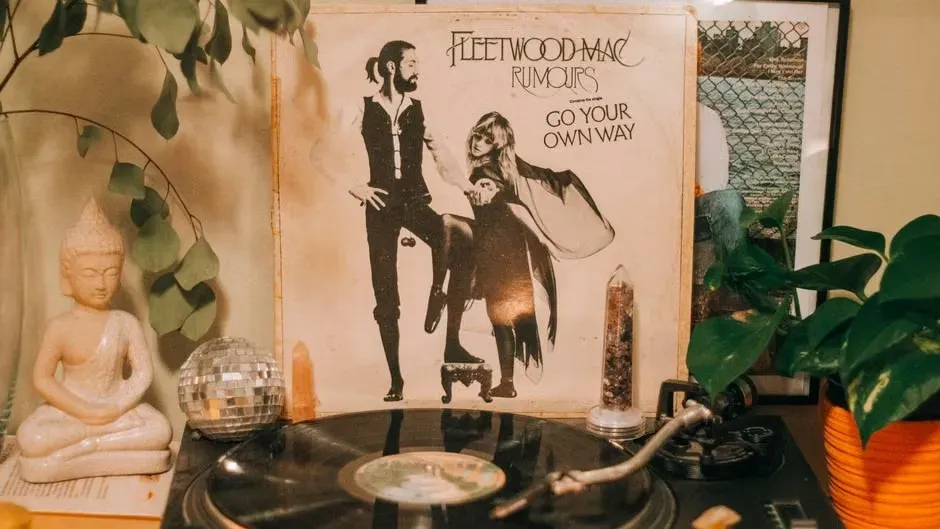
Released in 1977 during a period when several band members were going through breakups with each other, Rumours turned personal turmoil into some of the most durable pop songwriting of the decade. The album has sold more than 40 million copies worldwide, numbers that reflect just how well these songs have traveled across generations. What keeps it fresh on repeat listens is the tension between the polished production and the raw content of the lyrics.
Songs like “Go Your Own Way” and “Dreams” work as pop singles on the surface, but knowing the backstory adds a layer that deepens with each listen. The interplay between Lindsey Buckingham’s guitar work and the rhythm section also holds up under close attention, revealing craftsmanship that a casual listen tends to gloss over.
5. Miles Davis, Kind of Blue
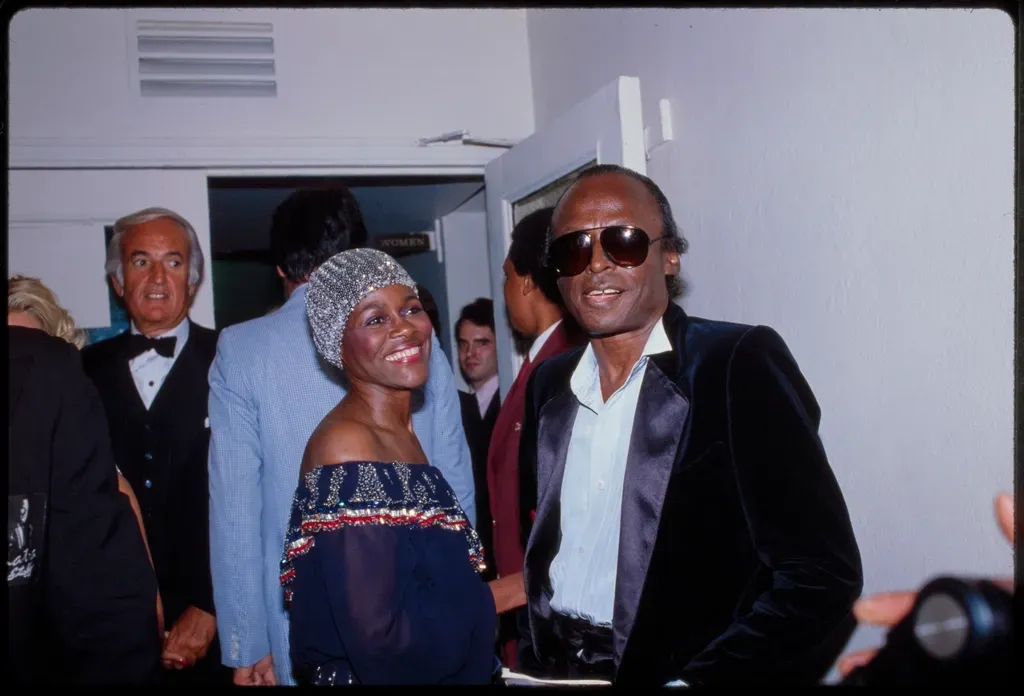
This 1959 record remains one of the best selling jazz albums of all time, largely because it works on multiple levels at once. Newcomers can enjoy it as calm, atmospheric background music. Listeners who spend more time with it start noticing the modal improvisation, the way Davis, John Coltrane, and Bill Evans respond to each other in real time rather than following a fixed script.
Because much of the album was recorded with minimal rehearsal, the performances carry a spontaneity that repeat listens make more apparent, not less. You start to hear the risk in certain phrases, the moments where a musician commits to an idea without knowing exactly where it will land. That sense of discovery rarely fades, even after dozens of plays.
6. Joni Mitchell, Blue

Released in 1971, Blue is often cited as one of the most emotionally direct albums ever recorded, and that directness is exactly why it holds up so well over time. Mitchell wrote with an unusual level of candor about heartbreak and self-doubt, and the lyrics tend to land differently depending on where a listener is in their own life. That’s part of why the album has remained a touchstone across multiple generations of songwriters.
The arrangements are sparse, often just piano, guitar, or dulcimer, which means there’s nowhere for the songwriting to hide. On repeat listens, small vocal choices, a held note, a slight break in phrasing, start to carry more weight. It’s an album that rewards close listening precisely because there’s so little production to distract from it.
7. My Bloody Valentine, Loveless

This 1991 record essentially defined the shoegaze genre, and its wall of layered guitars still sounds unlike almost anything else in rock. On first listen, it can feel like a dense, blurry haze. With repeated listens, individual layers start to separate, the melodic lines buried under distortion, the shifting textures that never quite repeat the same way twice.
The album took roughly two years and a reported cost in the hundreds of thousands of dollars to complete, largely due to the band’s exacting studio process. That level of obsessive layering is exactly why the record continues to reveal new details decades later. It’s less a collection of songs and more an immersive sound environment, one that benefits from being played loud and played often.
8. Bob Dylan, Blood on the Tracks
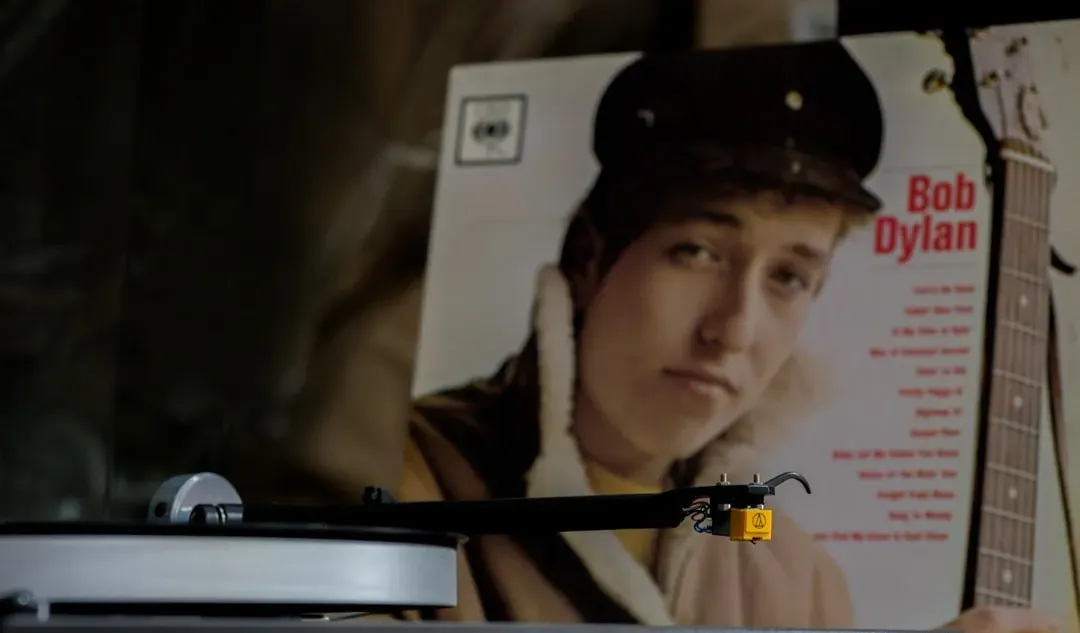
Released in 1975, this album is frequently described as one of Dylan’s most emotionally raw records, written during a period of personal upheaval in his life. The lyrics are dense with detail and shifting perspective, often jumping between narrators or timeframes within a single song. That structural complexity means a lot gets missed on a first pass.
Tracks like “Tangled Up in Blue” and “Idiot Wind” reward close attention to the storytelling itself, since Dylan reworks the same emotional territory from different angles across the album. Repeat listens tend to clarify connections between songs that aren’t obvious at first, turning what could seem like a loose collection into something closer to a unified narrative.
9. Stevie Wonder, Songs in the Key of Life
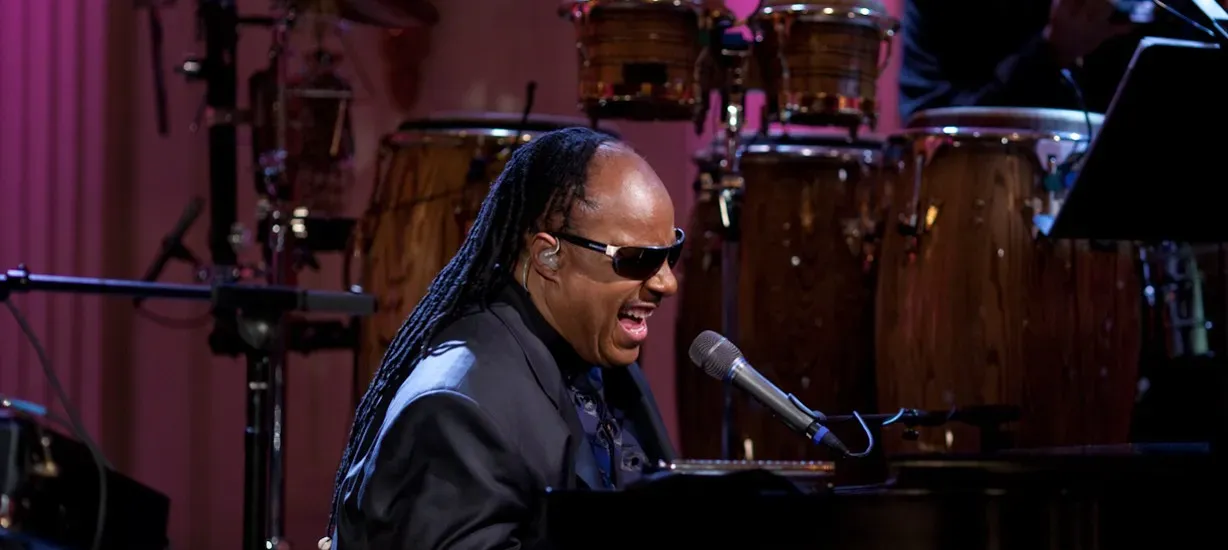
This sprawling 1976 double album covers an enormous amount of musical ground, funk, soul, jazz, gospel, and orchestral pop, sometimes within a single track. Its scope means no single listen really captures everything happening across its roughly hour and forty minutes of music. Each return visit tends to spotlight a different section, whether it’s the horn arrangements on “Sir Duke” or the intricate keyboard work threaded through “Isn’t She Lovely.”
Wonder was reportedly still finishing tracks close to the release date, adding tunes and refining arrangements right up until the deadline. That restless creative process shows up in the album’s density, there’s rarely a moment that feels like filler. Longtime listeners often say they still notice new instrumental details even after years of familiarity with the record.
10. Steely Dan, Aja
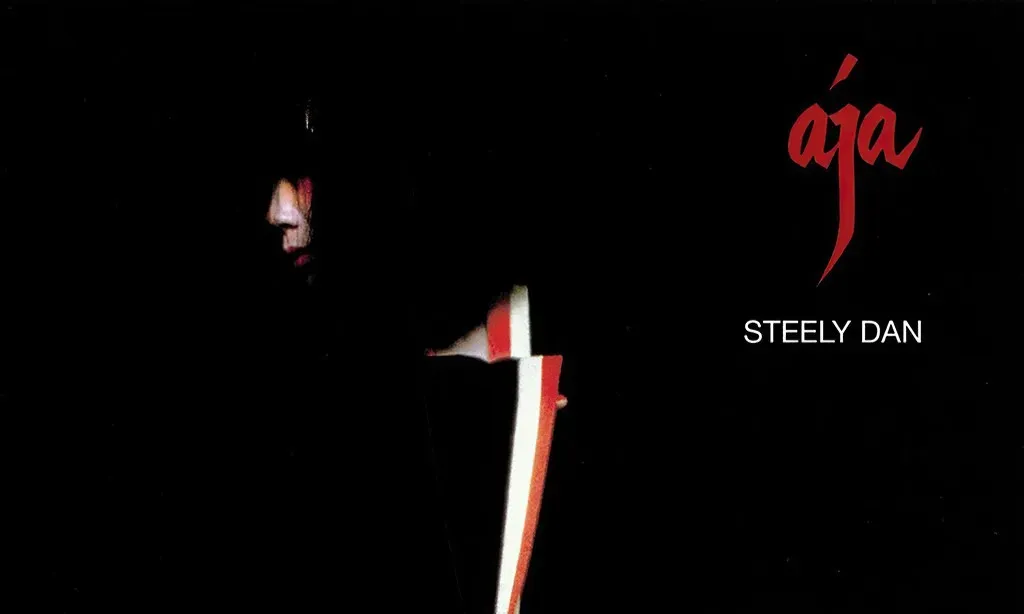
Released in 1977, Aja is often held up as a high point of studio craftsmanship, built from meticulous arrangements and some of the era’s most in-demand session musicians. The band was famously exacting in the studio, reportedly cycling through multiple guitarists and drummers on certain tracks until the performance matched their vision exactly. That perfectionism translates into a listening experience where precision rewards attention rather than feeling sterile.
Songs like the title track and “Deacon Blues” blend jazz harmony with pop structure in ways that unfold gradually, the chord changes aren’t always obvious on a first listen. Over time, the interplay between the rhythm section and the horn arrangements becomes more apparent, and the album’s smooth surface starts to reveal the complexity underneath. It’s a record built for close listening, not background noise.
What connects all ten of these albums isn’t genre or era, since they span jazz, folk, rock, and soul across nearly three decades. It’s a shared willingness to layer detail, whether emotional, instrumental, or structural, deep enough that a single listen simply can’t account for it all. That’s a rare quality in recorded music, and it’s part of why these particular records keep finding new audiences long after their original release dates.