Record deals look glamorous from the outside, all those zeroes and career-making promises. Yet for some of the biggest names in music, those same contracts eventually felt less like opportunity and more like a cage. A surprising number of artists have chosen principle over payout, walking away from arrangements worth staggering sums because the creative or personal cost simply outweighed the money.
What follows are eight cases where musicians turned their backs on multi-million-dollar deals, sometimes at great professional risk, and often for reasons that still shape how the industry treats artists today.
1. Prince and his very public break from Warner Bros.
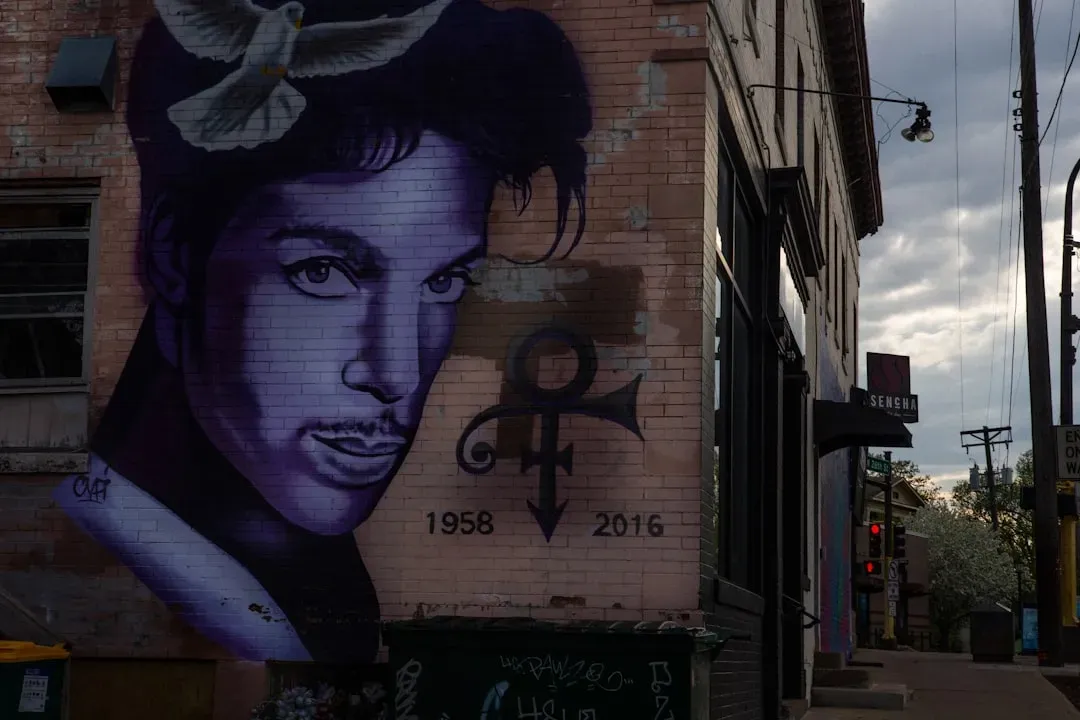
By the early 1990s, Prince was one of the most successful artists on Warner Bros. Records, yet he was deeply unhappy with the terms binding him there. It was reported at the time Prince’s new contract was worth $100 million. Despite that figure, the deal restricted how often he could release music and left the label, not him, owning his master recordings.
His protest became one of the most memorable in music history. His frustration with the situation grew increasingly contentious until he began painting the word “Slave” on his face and ultimately left the company when his contract was completed in 1996. Decades later, the story came full circle when in 2014, Prince regained ownership of his Warner Bros. Record catalog by signing a landmark deal, which allowed the rights to his early masters to revert to him after the 35-year copyright termination window approached.
2. George Michael’s costly legal war with Sony Music
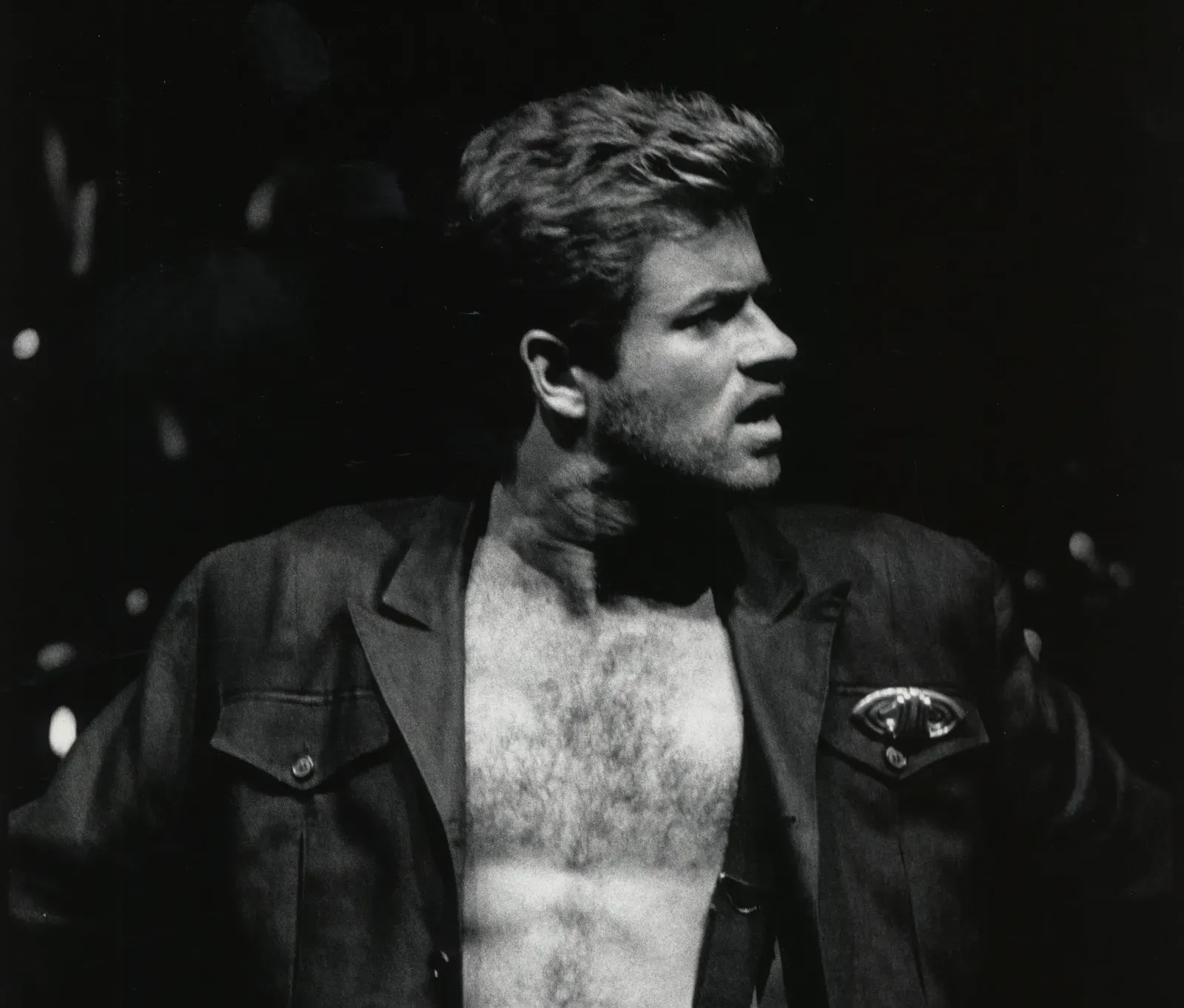
George Michael’s fight with Sony remains one of the most dramatic contract battles pop music has seen. He argued his deal amounted to unfair control over his work, and Michael described his situation as “professional slavery” because his contract required that he produce music and cede the copyright to Sony for many years, leaving him no control over how the music would be marketed nor placing a reciprocal requirement that the label invest in promotion. He took the label to court hoping to void the agreement entirely.
The gamble did not pay off in the courtroom. England’s High Court ruled in London that singer George Michael cannot get out of his 1988 recording contract with Japan’s Sony Corp., a decision the pop star decried as upholding “professional slavery.” Still, Michael effectively walked away from the working relationship anyway, and another two years elapsed before he finally returned with a new album, 1996’s Older, released on DreamWorks Records after the nascent label bought out Michael’s Sony contract.
3. Kesha’s stand against her Sony-affiliated producer
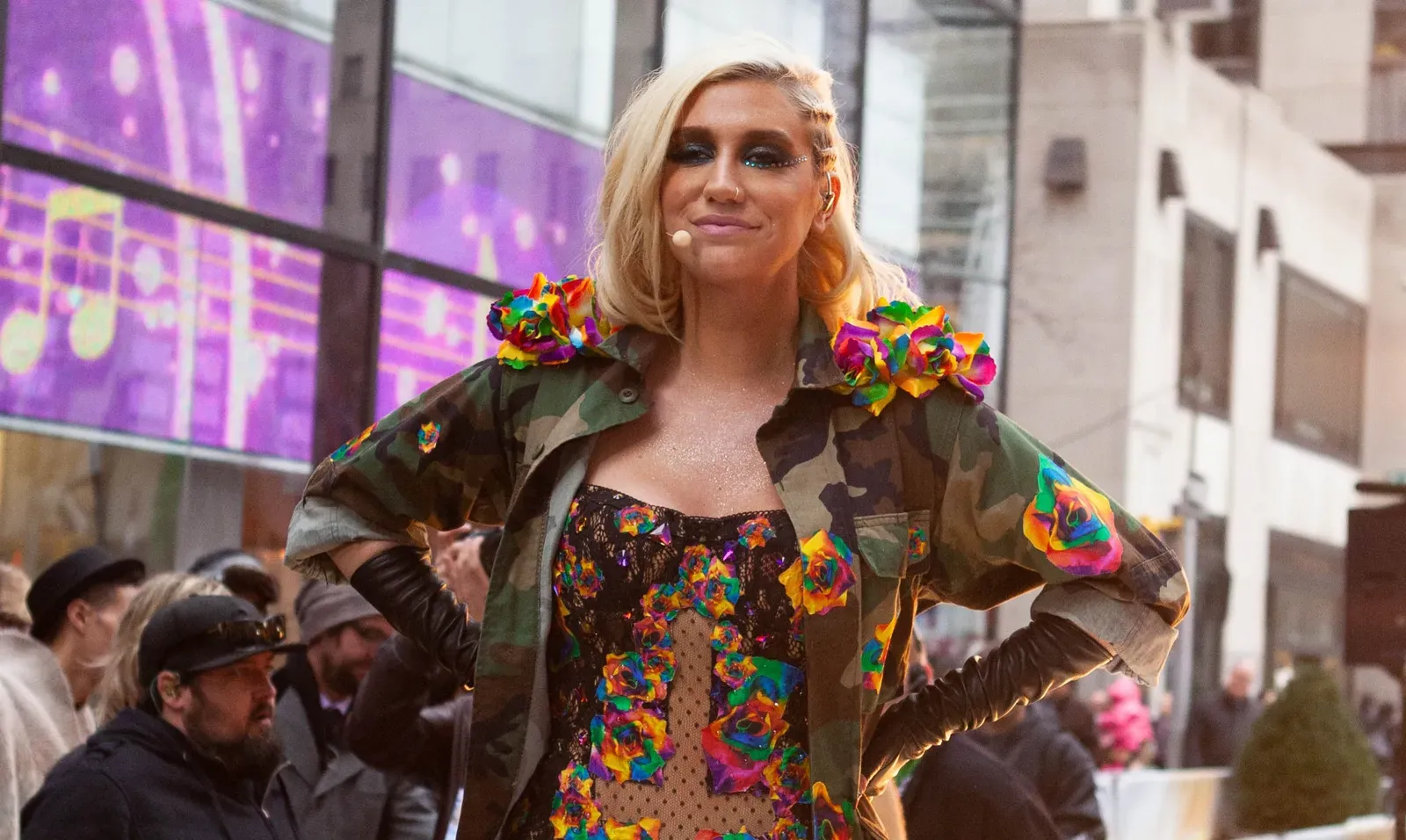
Kesha’s contract dispute was as much about safety as it was about money. Kesha has accused her former producer, Dr Luke, of sexually and emotionally abusing her, something he has denied. She sought to be released from a Sony-affiliated agreement that kept her tied to him professionally, arguing she could no longer work under those terms.
The legal fight dragged on for years and drew support from fellow artists. The case has been rolling on for months with other performers, including Adele and Taylor Swift, publicly supporting Kesha’s attempts to leave Sony. Even after a New York judge dismissed some of her specific legal claims, Kesha’s willingness to publicly challenge a lucrative arrangement became a rallying point for artists pushing back against restrictive label deals.
4. Frank Ocean’s quiet exit from Def Jam
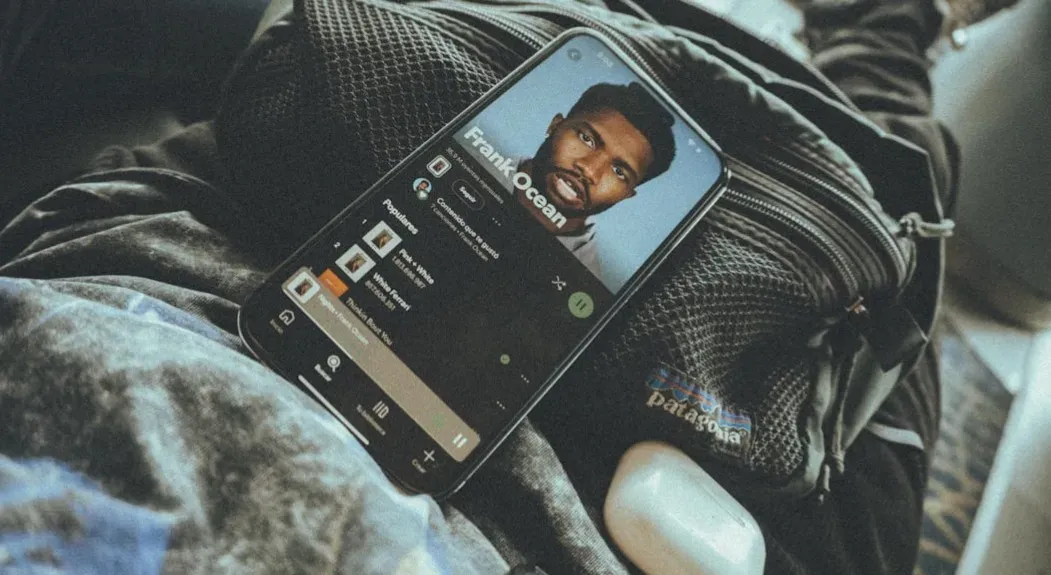
Frank Ocean’s departure from Def Jam played out almost like a chess match, and he later described it that way himself. In a recent interview for the New York Times, Ocean described his deal with Def Jam as “a seven-year chess game” and used his own money to buy himself out of his contract and reclaim his master recordings. The relationship had grown strained long before that, with insiders characterizing it in blunt terms.
Def Jam released Ocean from his deal in September 2016, a relationship described as “a bad marriage” by Spin magazine, and a condition of the split allowed Def Jam to distribute Ocean’s album Endless, while then freeing Ocean to release Blonde under his own imprint. The maneuver let him release his most celebrated album as an independent artist, keeping far more creative and financial control than a major label deal would have allowed.
5. Dolly Parton’s refusal to hand over her publishing rights
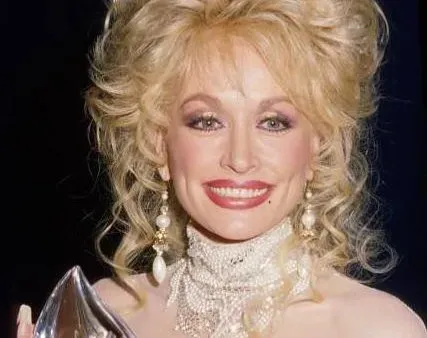
Not every walked-away deal involves a record label. When Elvis Presley wanted to record “I Will Always Love You,” Parton was thrilled, until his manager set an unusual condition. The cover was too good to be true after Parton was approached by Presley’s manager, Colonel Tom Parker, who demanded that Elvis receive a hefty portion of the publishing rights to the song.
Parton turned him down flat, even though it meant losing a recording by one of the biggest stars in music history. She declined, a choice that is credited with earning her millions of dollars in royalties from the song over the years, including the chart-topping version by Whitney Houston. It stands as one of the clearest examples of an artist protecting long-term ownership over a short-term payday.
6. Chance the Rapper’s refusal to sign with a major label

After his mixtape “Coloring Book” became a Grammy-winning phenomenon, labels lined up with money in hand, and Chance said no, repeatedly. A source told Page Six that the MC has refused such agreements, which reportedly reach up to $10 million. Reports at the time suggested the offers had only grown larger as his profile rose.
Chance stuck to his independent path even as pressure mounted around him. Chance has turned down several contract offers and is still unsigned. He did strike a limited arrangement with Apple Music, since in 2016, Apple Music gave Chance $500,000, two commercials, and premiere placement on the streaming service in exchange for two weeks of exclusivity for his Grammy Award-winning Coloring Book, but that was a short-term promotional deal rather than the kind of long-term ownership-sharing contract he consistently avoided.
7. Zayn Malik’s departure from One Direction
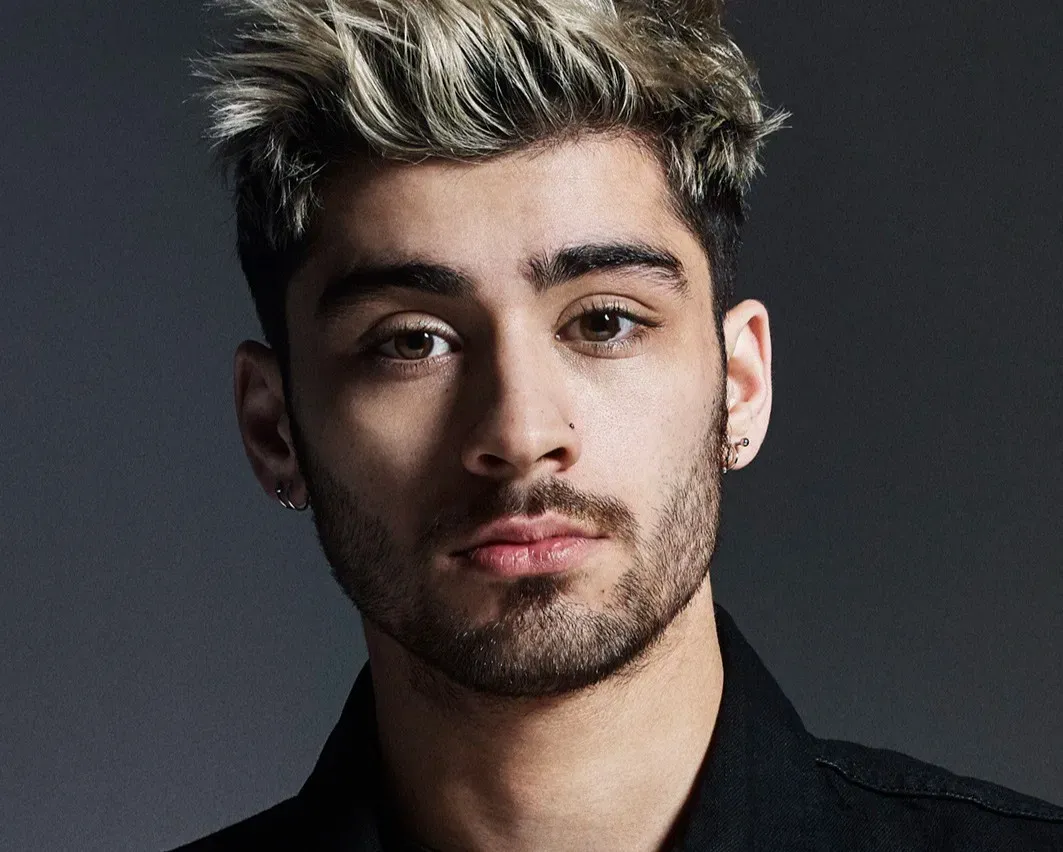
When Zayn Malik left One Direction in March 2015, he was walking away from one of the most commercially successful pop acts in the world. The group’s touring and recording contracts were reportedly worth hundreds of millions of pounds collectively, and Malik’s exit came in the middle of an active world tour, a moment when the financial stakes were about as high as they get in modern pop music.
Malik has since spoken publicly about feeling suffocated by the demands of the band’s schedule and public image, choosing to step away and rebuild a solo career on his own terms. It was a rare instance of a band member leaving a still-thriving, extremely lucrative act voluntarily rather than after a breakup or falling out driven by internal conflict alone.
8. Little Richard’s sudden break from rock and roll
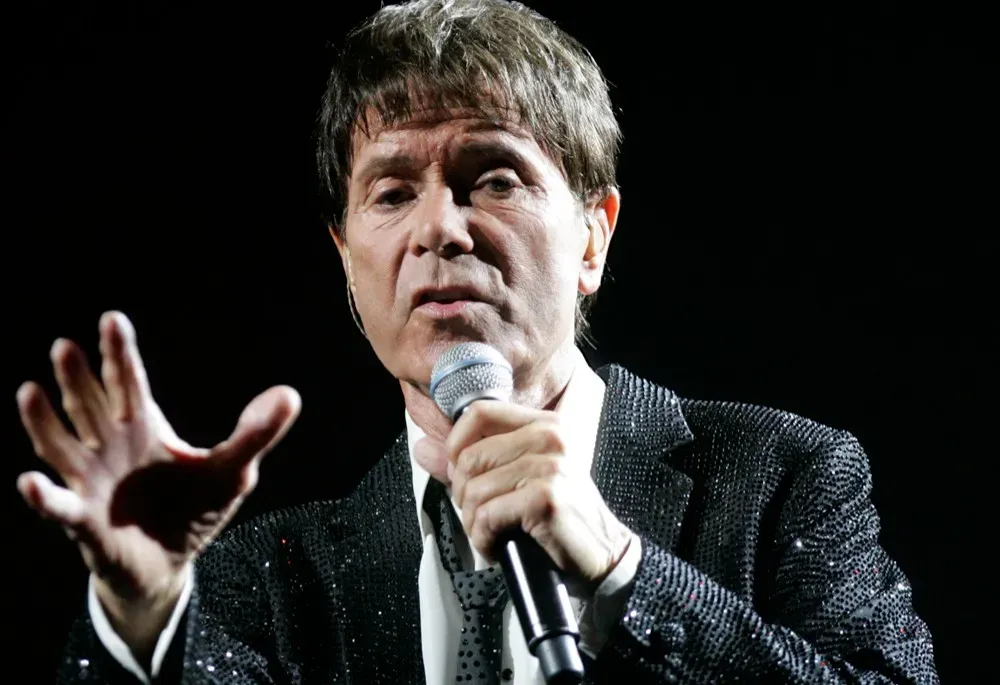
Little Richard’s walk-away moment came at the height of his fame in the late 1950s, when he was one of the most electrifying performers in the country and commanded lucrative touring and recording deals. In a decision that stunned the music world, he abandoned his rock and roll career to pursue religious ministry, turning down further recording obligations and touring income that would have continued to grow.
He would later return to secular music, but his initial departure remains one of the earliest and most dramatic examples of a musician choosing personal conviction over a wildly profitable career path. It set a template, long before Prince or George Michael, for artists willing to sacrifice guaranteed wealth for something they valued more.
8 Musicians Who Walked Away From Multi-Million-Dollar Contracts