The six cases below all share that same strange timing. Each band walked away, or was forced apart, while still near the top of their game, leaving fans to wonder what might have come next.
1. Cream


Cream lasted barely two years as a functioning unit, yet in that short window Eric Clapton, Jack Bruce, and Ginger Baker built one of the most influential blues rock catalogs of the 1960s. Albums like Disraeli Gears and Wheels of Fire turned the trio into arena headliners almost overnight, and their improvisational live shows helped define what a rock power trio could sound like. By late 1968, though, the constant friction between Bruce and Baker had become unbearable for everyone involved, including Clapton.
Rather than grind through another album cycle, the band played a farewell show at London’s Royal Albert Hall in November 1968 and called it done. Commercially, they were still red hot, with Wheels of Fire having just topped the American charts earlier that year. The decision to stop rather than push forward set an early template for the idea that breaking up on top could be its own kind of statement.
2. The Beatles

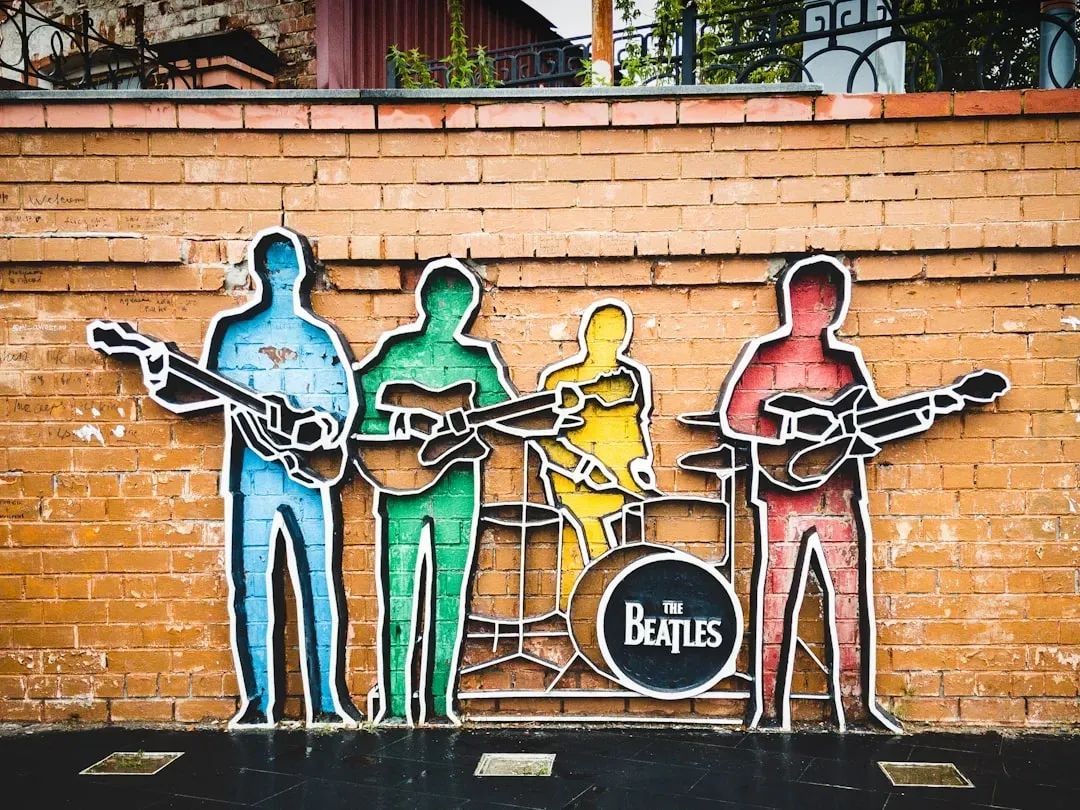
The Beatles never announced a dramatic final tour or a farewell concert. Instead, they simply stopped working together after finishing Abbey Road in 1969, with Paul McCartney publicly confirming the split in April 1970 just as the album Let It Be and its title single were hitting shops. Commercially, the band was still enormous, with Abbey Road becoming one of the best selling records of their career and the film Let It Be still capturing global attention on release.
Business disputes over management, growing creative differences, and the members’ individual pulls toward solo work all played a part, but there was no single villain in the story. What’s striking is that the band didn’t taper off creatively before the end. Songs from those final sessions are still regarded among their most accomplished work, which is part of why the breakup still feels premature more than five decades later.
3. The Police


By 1983, The Police had become, by most measures, the biggest rock band on the planet. Their fifth album Synchronicity topped the charts on both sides of the Atlantic, powered by the inescapable single Every Breath You Take, and the supporting tour closed with a massive show at New York’s Shea Stadium. Yet the album sessions themselves had been marked by serious tension, with fights between Copeland and Sting becoming increasingly common, and culminating in a full-on fist fight during the recording of “Every Breath You Take.”
The band went on what was framed as a hiatus after the tour, with Sting focusing on a solo career, and there was a brief reunion attempt in 1986. Those sessions collapsed quickly, in part because the bad blood between the three men soon resurfaced, and to make matters worse, Copeland broke his collarbone following an accident while riding a horse, scuppering the sessions completely. There was no formal breakup announcement, just a quiet acknowledgment that the group everyone still wanted to see was not coming back, at least not for another two decades.
4. The Smiths

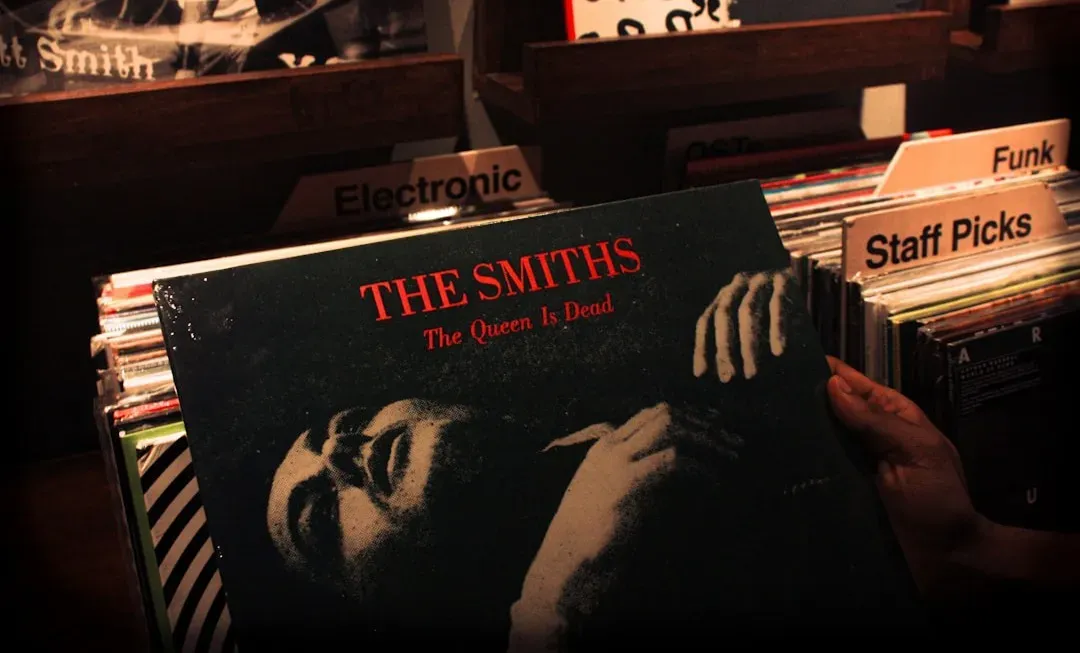
The Smiths spent the mid-1980s as one of the defining voices of British indie music, and by 1986 they’d released The Queen Is Dead, widely considered their creative peak. Yet within a year the band was gone, with tensions between Johnny Marr and Morrissey reaching a breaking point during the recording of what would become their final album. The first suggestion of the breakup occurred in June of 1987, when Marr decided to take a break from the group, citing that he was exhausted from the relentless schedule of writing, recording and touring.
That break turned permanent within weeks. Marr left the band in July of that year and was briefly replaced by former Easterhouse guitarist Ivor Perry, but Perry failed to gel with Morrissey, and by the time the band’s fourth and final album came out in September, the band were effectively finished. Strangeways, Here We Come arrived just weeks after the split was public knowledge, closing out the band’s run with an album many fans and critics still rank as their finest work, released by a group that no longer existed.
5. LCD Soundsystem


LCD Soundsystem’s breakup remains one of the more unusual entries on this list because there was no scandal, no falling out, and no commercial decline behind it. A mere ten years into an influential career that was still on an upward trajectory, on the occasion of no scandal or tragedy or big fight, James Murphy’s art disco rockers chose to break up. The band marked the occasion with an enormous farewell concert.
In February 2011, the band posted a statement on its website announcing that it was disbanding following a large farewell concert at Madison Square Garden on April 2, 2011. That night became the subject of a documentary and a later live album release. Five years later, in 2016, LCD Soundsystem reunited for Coachella and a new studio album, proving that even a meticulously staged goodbye can turn out to be temporary.
6. Oasis

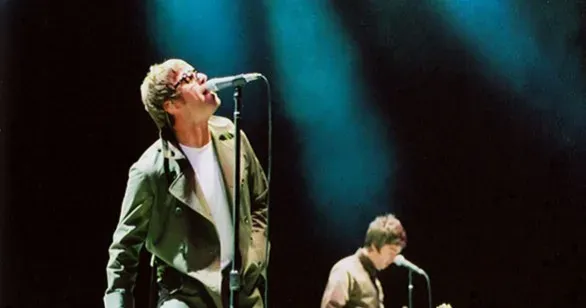
Oasis spent the 1990s as the defining band of Britpop, and their split in 2009 came not from declining relevance but from a family feud that had simmered for years. The group split in 2009 after many years of infighting, with Noel Gallagher officially leaving the band just before a performance at a festival near Paris. At the time, the songwriter and guitarist said he “simply could not go on working with Liam a day longer.”
What makes this one different from the others on this list is the ending. The Oasis Live ’25 Tour marked the band’s first live appearances since they split in August 2009, with the reunion and tour announced on 27 August 2024, two days before the 30th anniversary of their debut album Definitely Maybe. The tour turned out to be massive by any measure, with the run grossing over 405 million dollars and drawing more than two million attendees, making it the second highest grossing tour of 2025, closing the loop on a breakup that once looked permanent.
Looking across these six stories, a pattern shows up more than once. Bands rarely fall apart because the music stops working. More often it’s exhaustion, personal friction, or simple burnout that ends things while the songs are still climbing the charts. A few of these groups eventually found their way back to the stage, while others left the story exactly where it stood. Either way, the timing is what makes each split memorable, a reminder that commercial success and internal stability don’t always move at the same pace.