What follows are six musicians whose ventures moved well past merchandise tables and into genuine ownership stakes, corporate partnerships, and in some cases, billion-dollar valuations.
Jay-Z: from record deals to a diversified empire
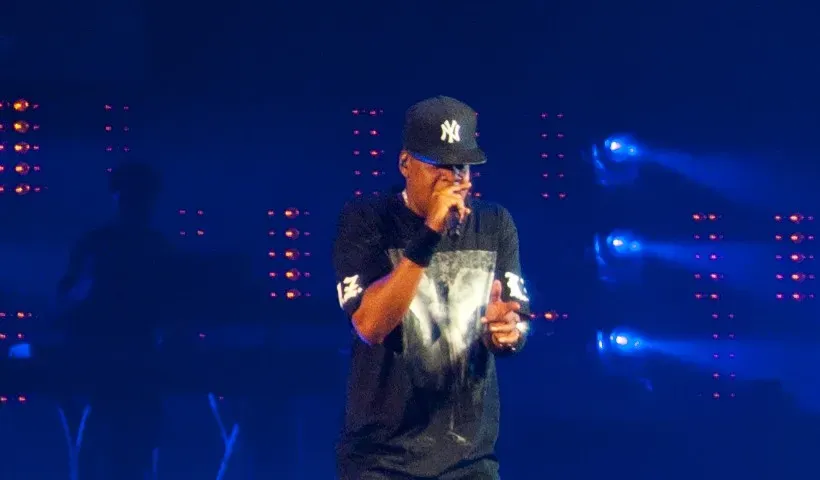
Jay-Z’s business trajectory started with something almost quaint by today’s standards. Jay-Z’s business instincts were always sharp, and in 1999, he co-founded Rocawear, a streetwear brand that became a dominant force in urban fashion before selling it for $204 million. That early exit set the tone for everything that followed, proving he understood equity long before most rappers thought past endorsement checks.
Roc Nation came next, and it has aged into something far bigger than a record label. Founded in 2008, Roc Nation has grown into a multifaceted entertainment and lifestyle company that spans music, sports, and media. The liquor portfolio turned out to be even more lucrative: in 2021, he sold a 50% stake in Armand de Brignac to LVMH for $300 million, and in 2023, after a high-profile legal battle, he offloaded half of D’Ussé to Bacardi in a deal valued at $750 million. By 2026, those combined bets had pushed his fortune to a striking figure, with Jay-Z’s net worth estimated by CEO Today at around $2.8 billion in 2026.
Rihanna: beauty and lingerie built on real ownership
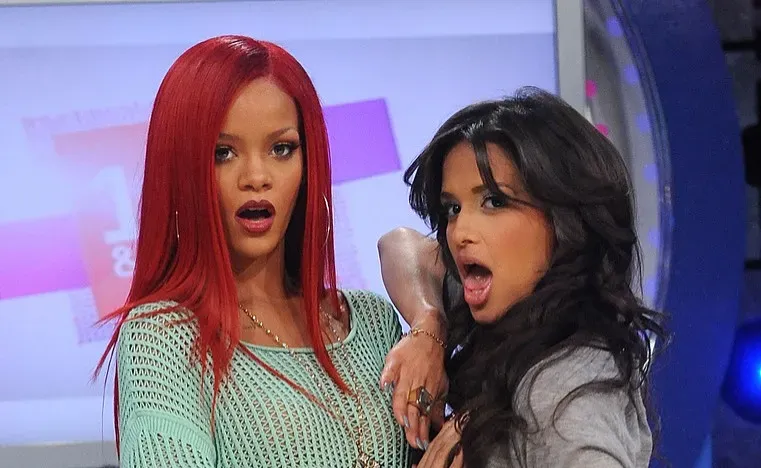
Rihanna’s move into beauty in 2017 wasn’t a celebrity endorsement dressed up as a business. Rihanna is the founder and CEO of Fenty Beauty, which launched in 2017 in partnership with the luxury conglomerate LVMH. Crucially, she didn’t just lend her name to it. Rihanna is believed to own 50% of Fenty Beauty, with LVMH holding the other half. That stake mattered because the brand actually performed, with as of 2024, it brings in over $600 million annually and is valued between $2 and $3 billion.
A year after Fenty Beauty’s launch, she expanded into apparel. In 2018, Rihanna expanded into lingerie with Savage X Fenty, a brand built around body inclusivity and diverse marketing. Neither venture has been immune to the usual bumps that come with running a real company; the Savage X Fenty CEO departed for rival Victoria’s Secret in August 2024, creating operational uncertainty. Even so, the fact that her wealth is now driven primarily by product lines rather than album sales says something about how far the ownership model has taken her.
Dr. Dre: a headphone brand that changed the math
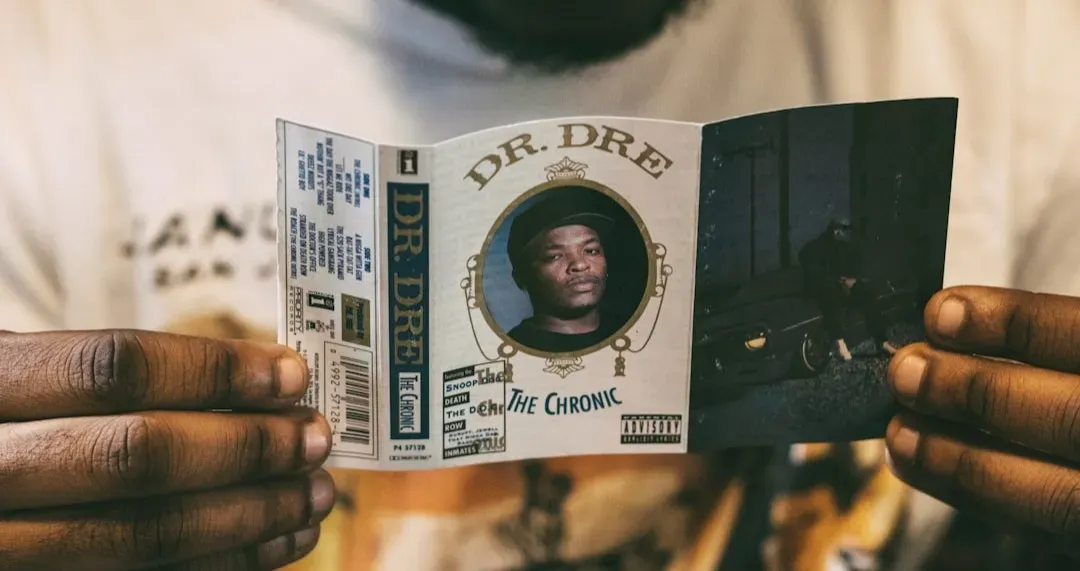
Few crossover deals in music history rival what happened with Beats. Beats by Dre: He co-founded the brand and sold it to Apple for $3 billion in 2014. It was a headphone company that behaved more like a lifestyle brand, and it made Dre one of the few producers whose business résumé rivals his catalog.
That single deal kept paying dividends for over a decade. Dr. Dre has officially made the Forbes 2026 Billionaires List, and over ten years after the producer and music mogul sold Beats by Dre to Apple for a whopping $3 billion, Dr. Dre has crossed the $1 billion net worth threshold. His portfolio beyond Beats has stayed fairly grounded, spanning Aftermath Entertainment, Death Row Records, a partnership with Snoop Dogg on a Gin & Juice brand, and real estate investments in Los Angeles. It’s a reminder that one well-timed deal, paired with steady reinvestment, can outlast a music career by decades.
50 Cent: rebuilding wealth through television and spirits
50 Cent’s business story includes a genuine collapse and a genuine comeback, which makes it a bit more relatable than most mogul narratives. His early Glaceau/Vitaminwater equity remains the deal people bring up first, and it still gets grouped among his defining wins: the financial wins are real, including the Vitaminwater equity play, the Power franchise, the Final Lap Tour, and the Sire Spirits brands. Television production turned out to be the part that stuck.
His production company has quietly become the backbone of his current wealth. After his Fox Entertainment deal, he returned to Starz for Power Origins and Power Legacy. He’s also invested in physical infrastructure to support that pipeline, and in March 2025, G-Unit Films secured a 30-year lease on a massive entertainment venue in Shreveport, Louisiana, with the symbolic rent of just $200 a month, supporting the G-Unit Film Studio that opened in April 2024 and is expected to become a long-term income generator. Between the studio, the spirits brands, and steady television deals, it’s a far more diversified operation than the one that filed for bankruptcy protection back in 2015.
Dolly Parton: a theme park that outperforms Disney’s rankings
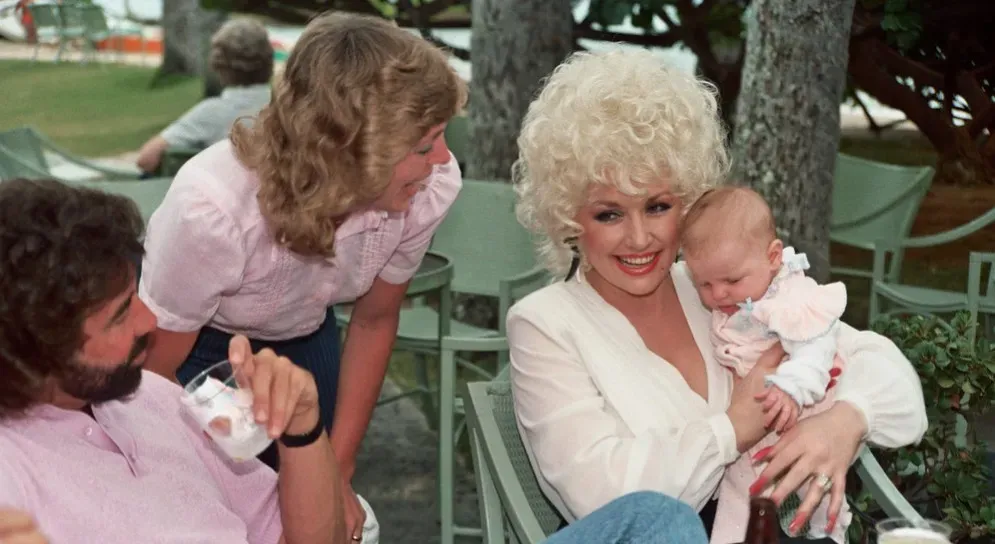
Dollywood is easy to underestimate if you only think of it as a novelty tied to a country star’s name. In practice, it’s a co-owned, professionally run resort operation, since the beloved Smoky Mountains theme park, co-owned by Dolly Parton and Herschend Family Entertainment, is known for blending world-class attractions with Southern hospitality. The park has also been in the middle of a genuinely large capital project for years now.
That project has real financial weight behind it. According to a release from the theme park, the new attraction represents the next step in the $500 million expansion that was first unveiled in 2021. The results have shown up in independent rankings too, with Dollywood once again named TripAdvisor’s top theme park in the U.S. in 2025, a title the park also won in 2024 and 2022. Parton has kept expanding the brand beyond the park itself, including a newer venture into coffee under the name Cup of Ambition, released in partnership with Community Coffee.
Jessica Simpson: pop stardom turned fashion licensing machine
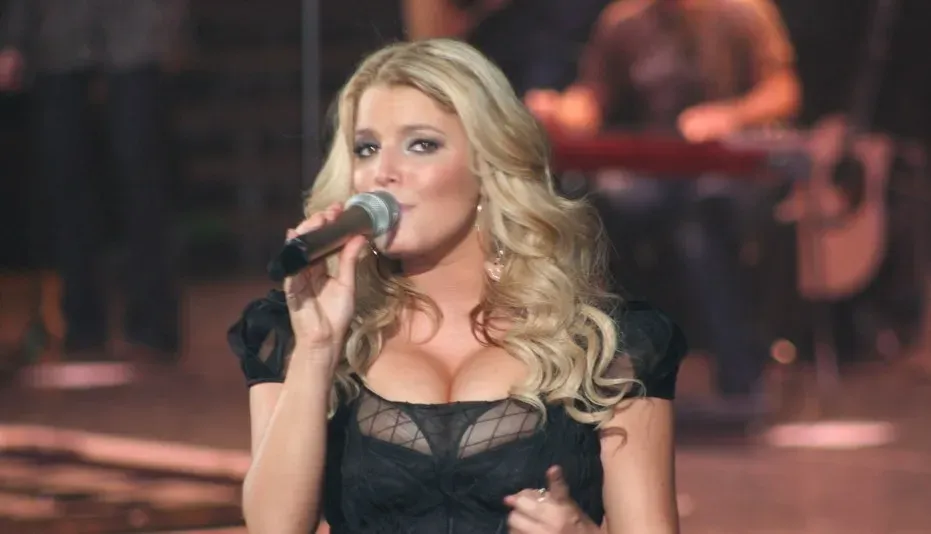
Jessica Simpson’s path looked different from the others on this list, largely because her business grew quietly, almost apart from her music career. The Jessica Simpson Collection, launched in the mid 2000s, expanded steadily into footwear, handbags, apparel, and fragrance through licensing partnerships rather than a single flagship product. That structure let the brand scale into department stores and mass retailers without Simpson needing to run manufacturing or supply chains herself.
Over time, the label became one of the more durable examples of a celebrity fashion brand outlasting the initial wave of media attention that launched it. Rather than chasing a single blockbuster hit, Simpson built a portfolio of licensed categories that kept generating revenue year after year, largely outside the spotlight that once followed her music and television work. It’s a quieter kind of business success, but one that has proven more stable than many flashier celebrity ventures.
Taken together, these six stories don’t share a single formula. Some, like Jay-Z’s liquor deals or Dr. Dre’s Beats sale, hinge on one transformative transaction. Others, like Dollywood or the Jessica Simpson Collection, are built on years of steady, unglamorous management. What connects them is a willingness to treat fame as a starting asset rather than the whole business, and to bring in the kind of operational partners who can turn a famous name into something that keeps working long after the songs stop climbing the charts.