1. Another One Bites the Dust – Queen (1980)

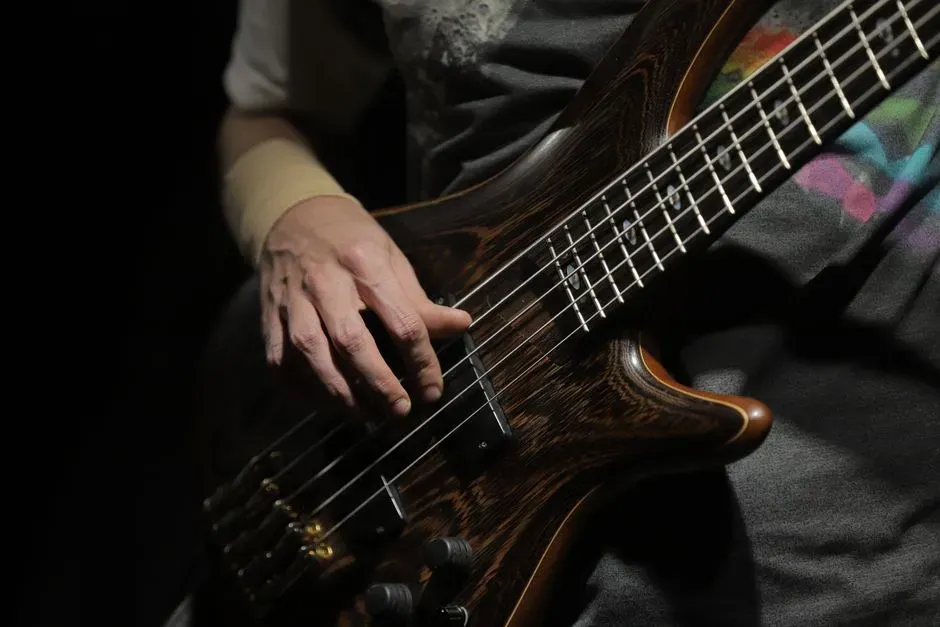
Few basslines in rock history are as immediately identifiable as this one. Everyone knows the bassline to “Another One Bites the Dust,” one of the most famous bass moments in all of rock history, written by bassist John Deacon who drew on his love of soul music. The song appeared on Queen’s eighth studio album, The Game, and was penned by Deacon for the band’s 1980 record, released as a single on August 16, 1980, almost two months after the album’s debut.
What makes this one a genuine test of ear training is how sparse it is. It’s not an overly complex or extravagant bass line, but it has a catchy hook. The track went on to top the charts and become one of Queen’s signature hits, and it spent 15 weeks on the US Billboard Hot 100, peaking at number one for three consecutive weeks.
2. Good Times – Chic (1979)


This is arguably the bassline that started it all. “Good Times” is a disco song composed by Nile Rodgers and Bernard Edwards, first recorded by Chic for the 1979 album Risqué, released as a single on June 4, 1979, and it features a prominent bassline played by Edwards that became emblematic of late 1970s disco funk. The song’s commercial run was massive too, reaching number one on the Billboard Hot 100 for one week in August 1979 and topping the R&B chart, while also peaking at number five on the UK Singles Chart.
Its real legacy lives beyond disco, though. Bassist Bernard Edwards is arguably the most influential bassist ever in pop music, and his masterpiece was the slinky, muscular bassline in “Good Times,” which was sampled wholesale for “Rapper’s Delight” and a host of other hip hop jams. If you can spot this groove within the first two seconds, you’re hearing the literal foundation of an entire genre.
3. Rapper’s Delight – The Sugarhill Gang (1979)


This track technically doesn’t have an original bassline of its own, which is exactly what makes it interesting. “Rapper’s Delight” did not achieve as much chart success as “Good Times” in the US, peaking at number 36 on the pop chart and number four on the R&B charts, but it helped popularize the bassline and became one of the most sampled tracks in the history of recorded music. It borrowed the Chic groove wholesale, and the legal fallout from that borrowing changed the music industry.
Rodgers and Edwards threatened The Sugarhill Gang with legal action, which resulted in them being credited as co-writers on “Rapper’s Delight.” Recognizing this bassline means understanding that hip hop’s commercial breakthrough was built literally note for note on a disco record, a connection a lot of casual listeners never make.
4. Under Pressure – Queen & David Bowie (1981)

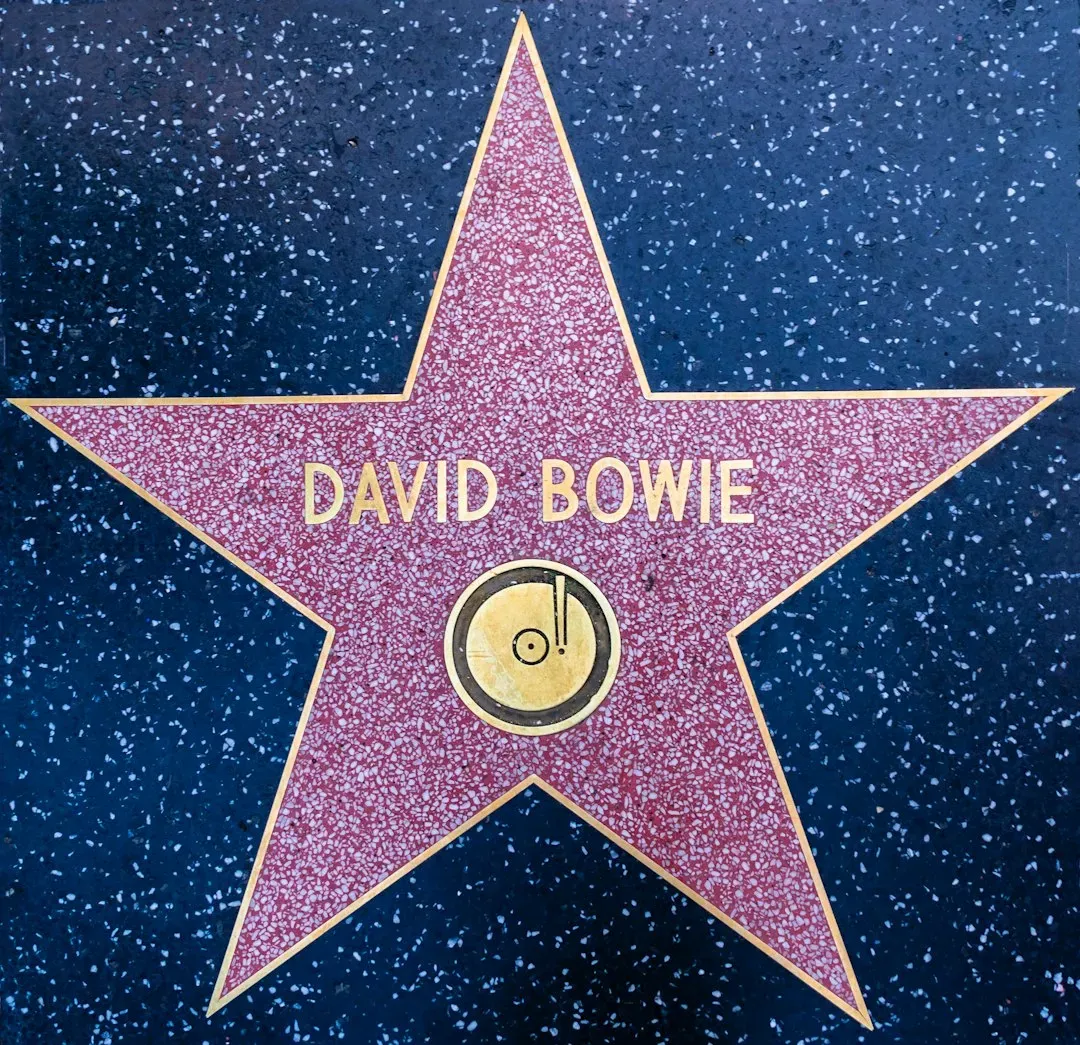
The bassline here is one of the most instantly recognizable riffs in rock and pop, a simple descending pattern that has been sampled, referenced, and occasionally litigated over the decades. Written during a spontaneous studio session between Queen and David Bowie, the track’s low end does almost all of the emotional heavy lifting before the vocals even arrive. It’s a case where four or five notes, repeated with subtle variation, became more famous than most entire songs.
The riff’s simplicity is deceptive. It sounds almost accidental, like something a bassist stumbled into during a jam, yet it anchors one of the most covered and sampled tracks of its era. Anyone who can name this from the bass alone has likely spent real time with both Queen’s and Bowie’s catalogs, not just their greatest hits compilations.
5. Billie Jean – Michael Jackson (1982)
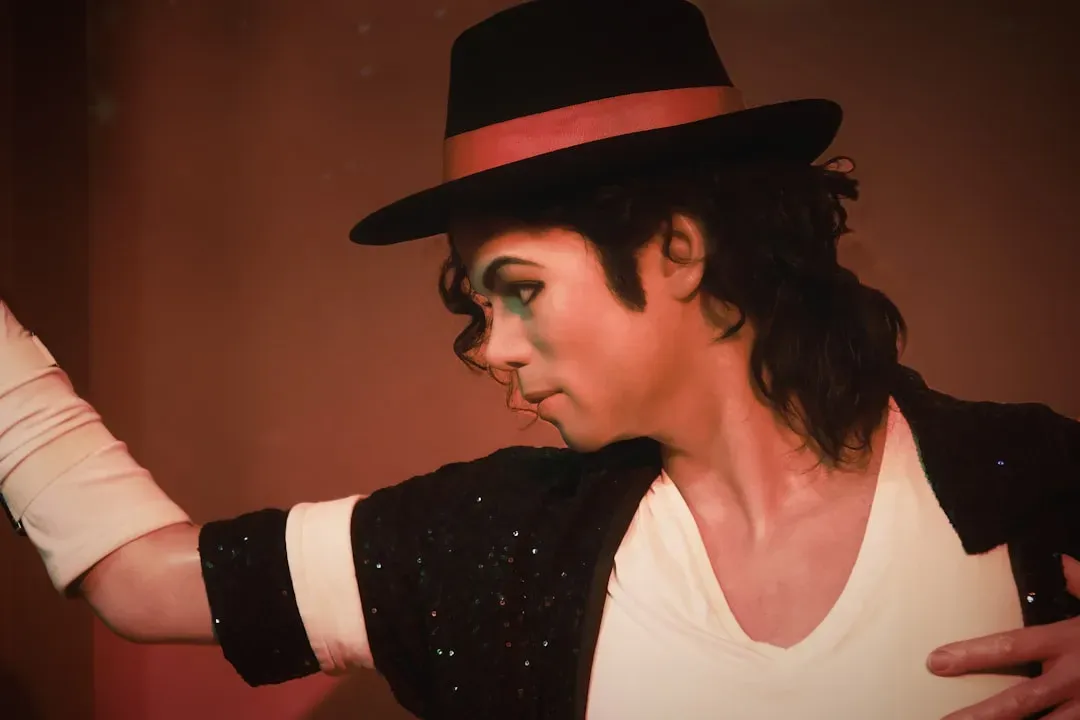
This bassline announces itself before Jackson sings a single word, and it does so with a confidence few pop songs ever match. The bassline is one of the first things listeners notice about Michael Jackson’s “Billie Jean,” with the driving riff propelling the dance floor ready song. It’s a groove built for repetition, looping under the entire track with almost hypnotic consistency.
What separates this from a lot of early 80s pop is how the bass carries the tension of the song rather than just the rhythm. The verses feel almost paranoid because of that low, insistent pulse underneath everything. Recognizing it instantly usually means you’ve heard the isolated bass tracks or studied the production choices that made Thriller such a landmark record.
6. Seven Nation Army – The White Stripes (2003)


Here’s the twist that trips up even serious music fans: that iconic low riff isn’t actually a bass guitar at all. Jack White played it on a guitar run through a pitch shifting effect pedal called a DigiTech Whammy, since The White Stripes famously didn’t use a bassist. It sounds so much like a bass that it’s become one of the most misidentified instrumental parts in modern rock, which is part of what makes it such a good test of a sharp ear.
The riff has taken on a life far beyond the original recording, becoming a stadium chant across sports arenas worldwide. Its simplicity, just seven notes in a descending pattern, is exactly why it spread so widely. If you know this one is technically not a bassline at all, you’re already ahead of most casual listeners.
7. Money – Pink Floyd (1973)
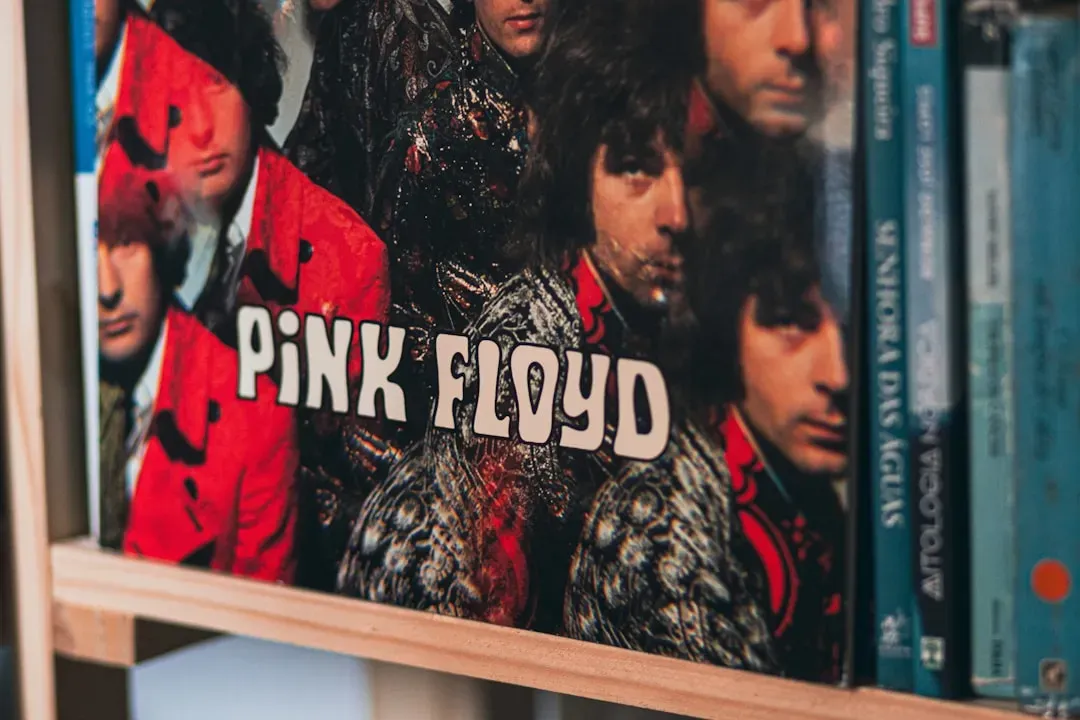
Roger Waters built this bassline around an unusual 7/4 time signature, which gives it a lurching, off kilter feel that’s instantly distinct from standard 4/4 rock grooves. It’s paired with the sound of cash registers and coins, turning the whole intro into a kind of sonic collage before the guitar even enters. The bass carries the odd meter so confidently that most listeners don’t consciously register how unusual the timing actually is.
This track remains a staple of classic rock radio and a favorite among bass students precisely because it’s technically challenging without sounding show offy. Recognizing it from the bassline alone suggests a familiarity with progressive and classic rock that goes beyond the obvious singles. It’s one of those grooves that rewards repeated, attentive listening rather than casual background play.
8. Longview – Green Day (1994)
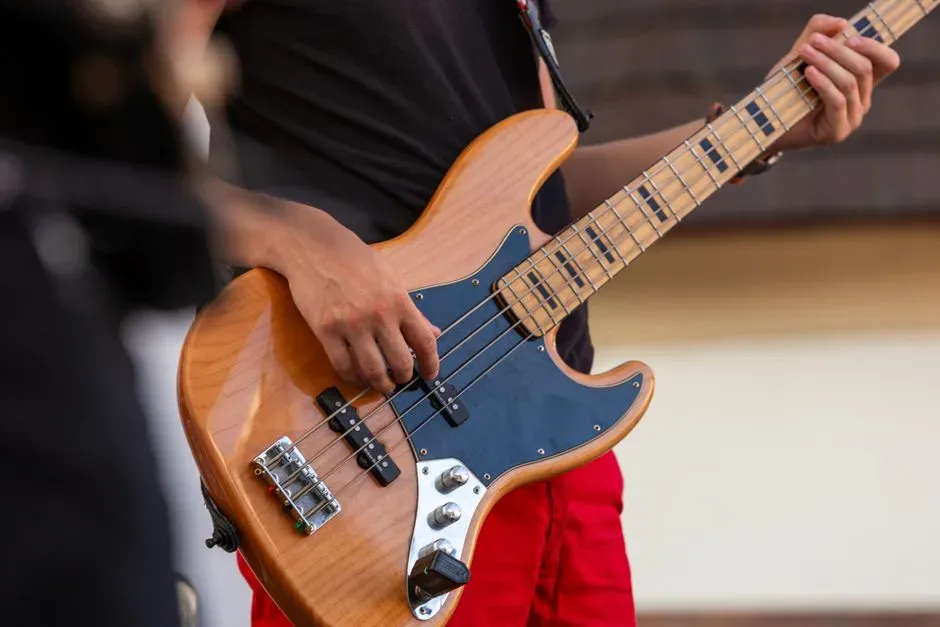
Mike Dirnt’s bassline on this track has become one of the defining bass parts of 1990s alternative rock, built around a lazy, sliding riff that mimics the boredom described in the lyrics. The story behind it has become something of a punk legend: Dirnt reportedly wrote much of the part while under the influence during a period of heavy drinking, then had to relearn it sober for recording. That combination of loose feel and technical precision is part of what makes the riff so distinctive.
The bassline opens the song entirely on its own, giving it several seconds to establish itself before drums or guitar arrive. That structural choice is rare in mainstream rock, where bass usually supports rather than introduces. Naming this one from the opening notes alone signals a real appreciation for how 90s alternative bands used bass as a lead instrument rather than background texture.
Eight songs, eight completely different eras and genres, yet all connected by the same idea: a bassline that does more work than it’s usually given credit for. Some of these riffs, like the one in “Good Times,” rippled outward to shape entire genres. Others, like the trick hiding inside “Seven Nation Army,” remind us that even expert ears can be fooled by a well disguised guitar. Either way, spotting these tracks from four notes or fewer isn’t just a party trick. It’s a sign of genuinely paying attention to the parts of music that don’t always get the spotlight.
If You Can Recognize These 8 Songs From Just the Bassline, Your Music Taste Is Elite