Every so often a song comes along that makes program directors nervous enough to pull it off the air, and more often than not, that decision backfires spectacularly. Controversy has a strange way of turning into curiosity, and curiosity sells records. The ten songs below were all deemed too risky, too rude, or too political for radio at some point, yet each one went on to define the artist’s career and, in several cases, reshape pop culture entirely.
1. “Louie Louie” – The Kingsmen


Few songs have a stranger legal history than this garage-rock staple. Because Jack Ely’s vocals were nearly impossible to decipher, rumors spread that the lyrics were obscene, and the song was targeted by school officials and various censoring agencies, including the FBI, due to widespread rumors that its lyrics contained obscene references when played at slower speeds, though an FCC investigation ultimately determined the lyrics were indecipherable and not obscene. The panic only grew louder from there, as J. Edgar Hoover launched a two-and-a-half-year probe into the song, though the FBI’s findings were inconclusive since agents couldn’t interpret any of the wording on the record.
Actual bans followed the rumors. The Kingsmen’s version was banned from Boston radio stations later that same year, and in the spring of 1964, Louie Louie was banned from the airwaves in the entire state of Indiana. Instead of killing the song, the controversy turned it into a cultural touchstone, one that’s still played at ballgames and weddings more than six decades later.
2. “Society’s Child” – Janis Ian

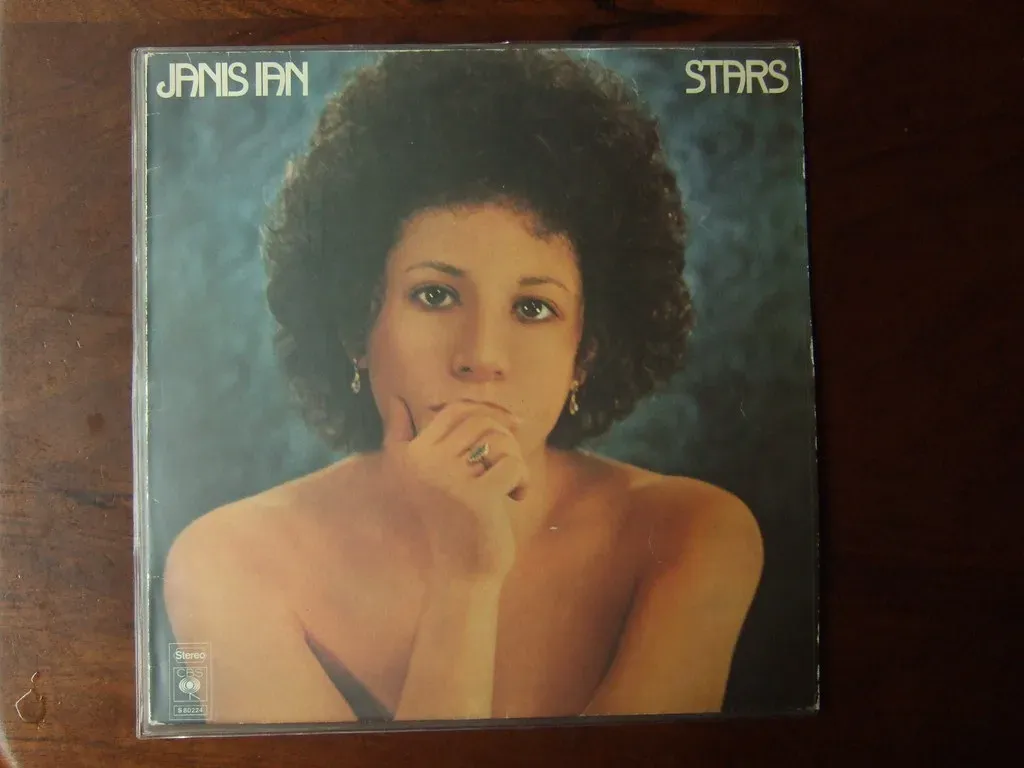
Janis Ian was only a teenager when she wrote this ballad about an interracial relationship torn apart by prejudice, and the backlash was immediate and often frightening. Her debut single was about a White girl in love with a Black guy and a society that refused to accept it, and several radio stations refused to play the song because they thought she was “too young” to be singing about such things. The reaction went beyond simple refusal to play the record; according to Ian’s own account, a radio station in Atlanta dared to put “Society’s Child” in rotation, and someone burned the station down.
Despite the hostility, the song eventually found its audience. Some stations, such as Chicago’s WLS, did not play the song, but rival station WCFL did, and there it peaked at number 12 on the local chart and lasted twelve weeks on the playlist. The single would go on to reach the national Top 20 and later earned a place in the Grammy Hall of Fame, cementing Ian’s place as one of folk music’s boldest voices.
3. “Relax” – Frankie Goes to Hollywood
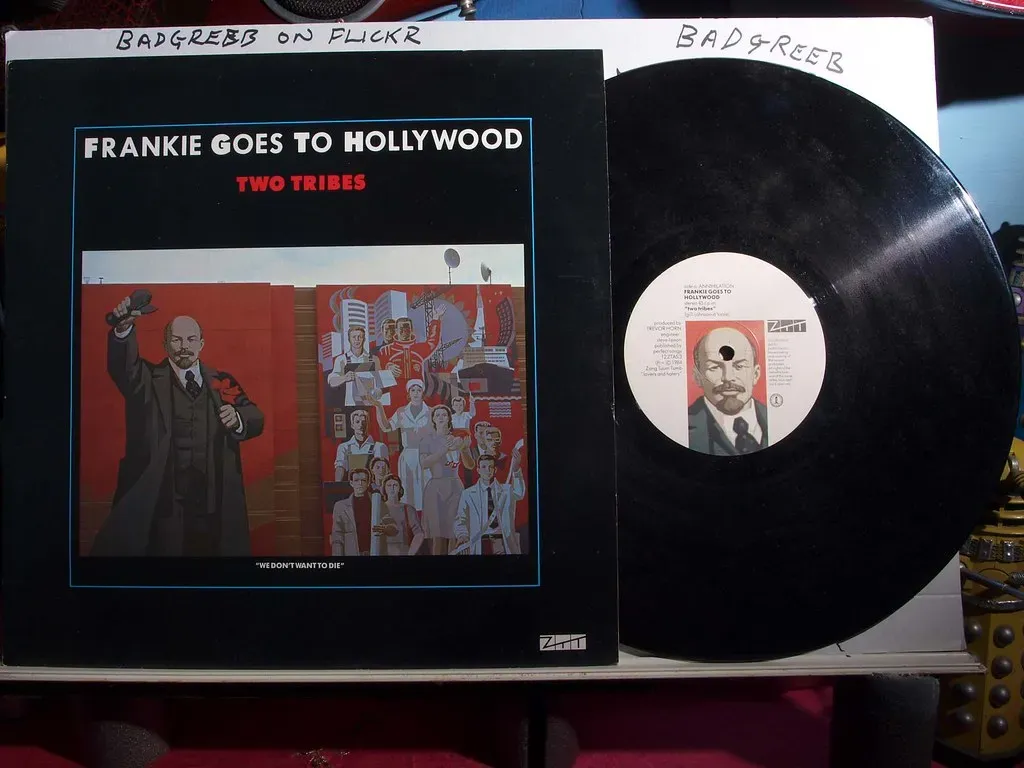
This 1983 dance track from the Liverpool band was already climbing the UK charts when a BBC Radio 1 breakfast host decided he’d heard enough. While playing “Relax” on the air in January 1984, Mike Read read the song’s lyrics aloud, then stopped the record and refused to play it again. The ban wasn’t just one DJ’s personal stand, either, since the BBC had just decided independently that the song was not to be played on the network at all.
The censorship had the opposite of its intended effect. The banned “Relax” rose to number 2 in the charts by January 17 and hit the number one spot on January 24. It held that top position for five weeks, and the controversy turned Frankie Goes to Hollywood into one of the defining pop acts of the 1980s.
4. “Killing in the Name” – Rage Against the Machine

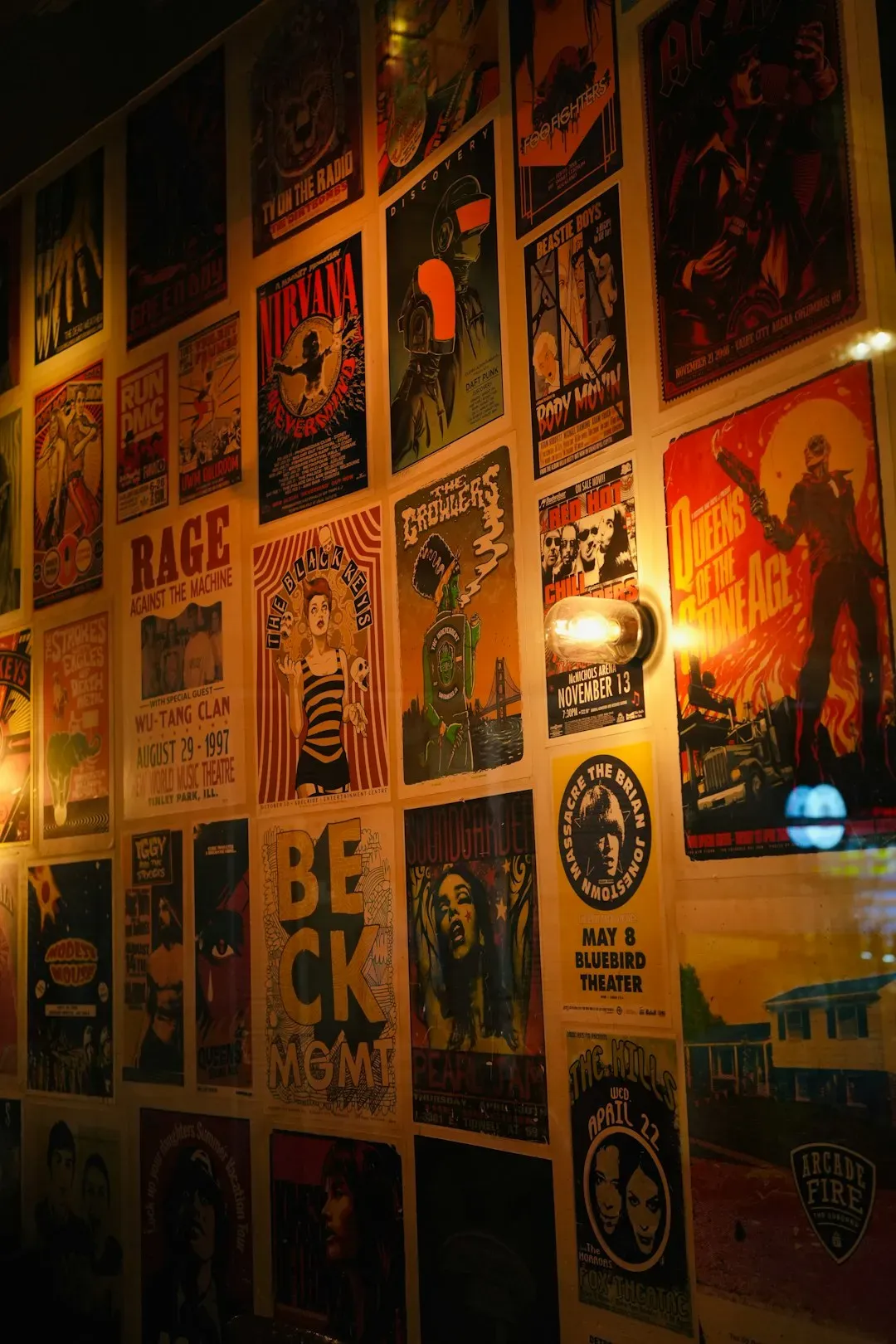
This 1992 protest anthem, built around Zack de la Rocha’s repeated profanity-laced refrain, was never destined for heavy rotation on mainstream radio. In the UK, BBC Radio 1 accidentally aired the uncensored version during a chart show in 1993, prompting over 100 complaints from listeners, and most American stations either censored it heavily or skipped it entirely.
The song found unexpected new life sixteen years later. In 2009, the song returned to the spotlight thanks to a Facebook campaign aimed at stopping another X Factor winner from claiming the UK’s Christmas number one, and supporters downloading the track succeeded in pushing it to number one that December. The band’s live BBC performance didn’t go smoothly either, since during the broadcast, de la Rocha went off-script and delivered the full uncensored outro live on air before presenters could cut the performance short. The stunt turned a seventeen-year-old album track into a defining moment of the band’s legacy.
5. “God Save the Queen” – Sex Pistols

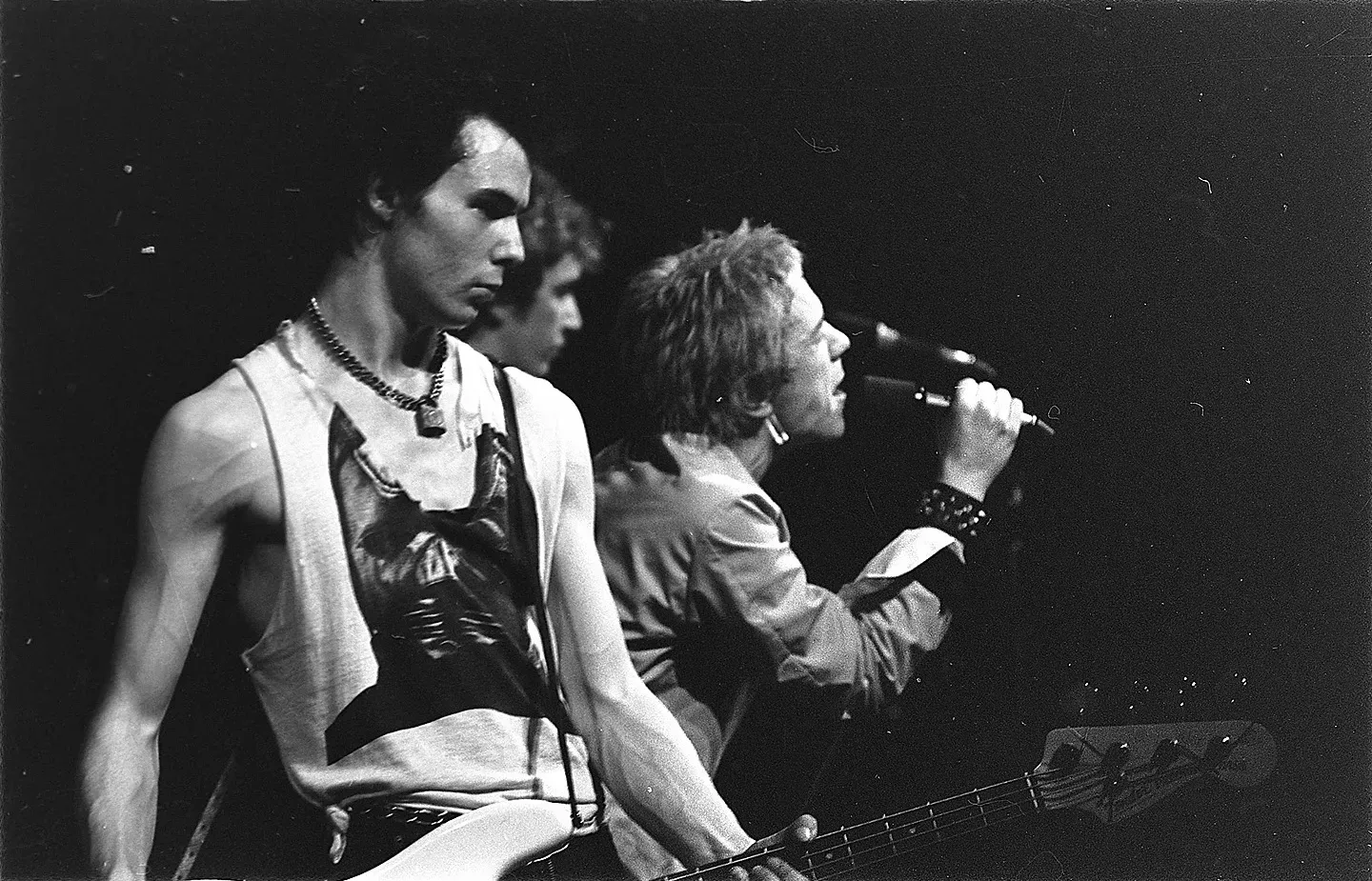
Released during the Queen’s Silver Jubilee in 1977, this snarling punk anthem was seen by many broadcasters as a direct attack on the monarchy itself. The BBC refused airplay, and several major retailers wouldn’t stock the record, forcing fans to seek it out through independent shops and word of mouth instead. That resistance only reinforced the song’s rebellious credibility among the punk audience it was written for.
Despite the near-total broadcast blackout, the single became one of the most talked-about releases of the decade and remains inseparable from the Sex Pistols’ identity. It’s frequently cited as one of the boldest examples of a band using controversy as a marketing tool, even if that wasn’t entirely the intention behind writing it. The song helped define an entire genre’s confrontational attitude toward authority and mainstream taste.
6. “I Want Your Sex” – George Michael

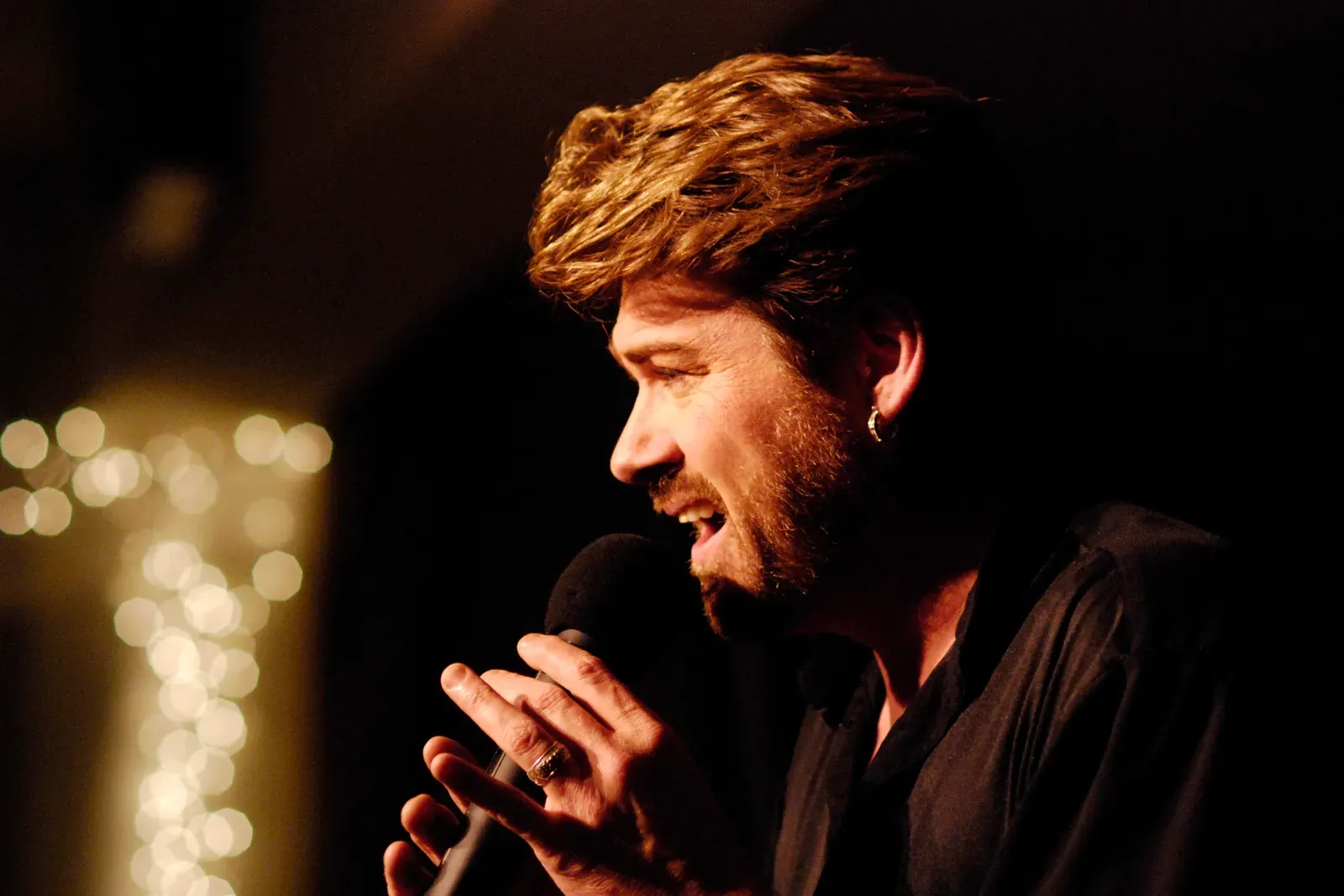
When George Michael stepped away from Wham! to launch his solo career, this explicit single announced the transition in the boldest way possible. Its frank title and lyrics made many radio programmers uneasy during the AIDS crisis of the late 1980s, and numerous American stations declined to add it to daytime rotation, pushing it into late-night slots instead. MTV also restricted the accompanying video to nighttime airings.
The restrictions didn’t stop the song from becoming a commercial success and a defining moment in Michael’s transformation from boy-band heartthrob to serious solo artist. It signaled the more mature, sensual direction his career would take for the rest of the decade. Looking back, the single is often remembered as the moment listeners realized George Michael was determined to control his own image, controversy included.
7. “Physical” – Olivia Newton-John


On paper, Olivia Newton-John seemed like an unlikely candidate for a radio controversy, but the suggestive lyrics of this 1981 single caught several conservative stations off guard. Some outlets in the United States declined to play it, citing its overt sexual innuendo, which felt like a sharp departure from her wholesome image built through years of family-friendly hits. The pushback surprised many industry insiders given her previous chart history.
The hesitation from a handful of stations did little to slow the song’s momentum elsewhere. It became one of the biggest hits of Newton-John’s career and one of the longest-running number one singles of the era, helping redefine her public persona for a new decade. The track remains her signature song and a staple of workout playlists to this day.
8. “Je t’aime… moi non plus” – Serge Gainsbourg and Jane Birkin

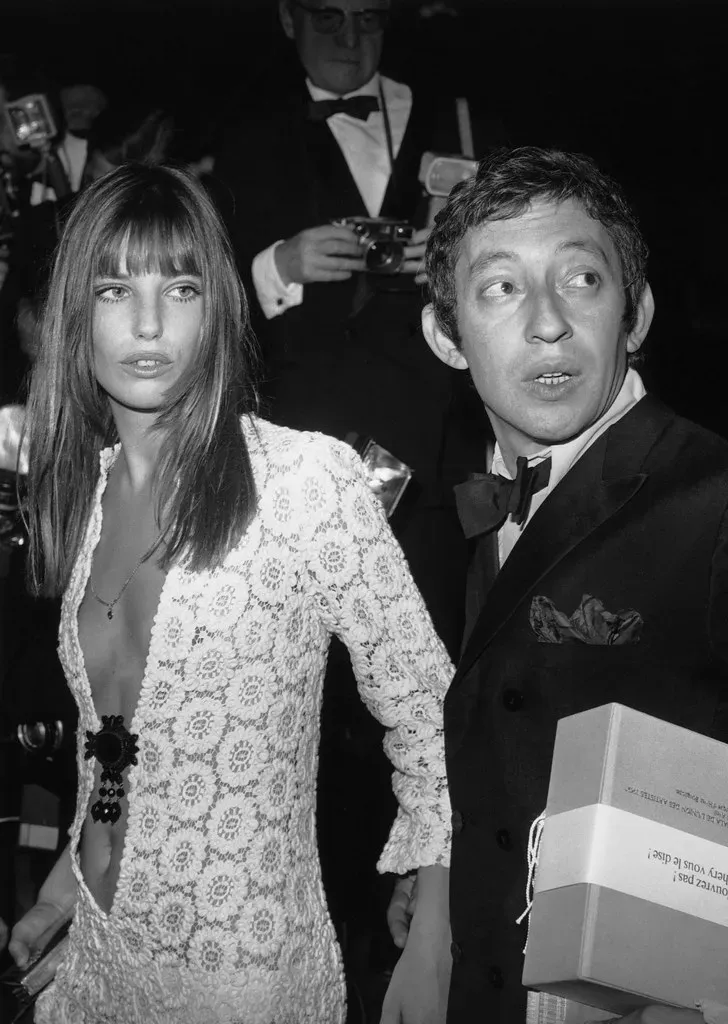
Few songs generated as much broadcasting panic as this breathy 1969 duet, whose suggestive vocal performance led the BBC to ban it outright from British airwaves. Vatican Radio reportedly condemned it as well, and several countries across Europe restricted its distribution or airplay entirely. The controversy was compounded by tabloid coverage that treated the record as scandalous rather than simply provocative pop music.
Ironically, the ban helped drive curiosity-fueled sales across Europe, and the single climbed the charts in multiple countries despite, or perhaps because of, the restrictions placed on it. It became one of Gainsbourg’s most recognizable works internationally and remains a touchstone reference whenever discussions of radio censorship in pop music come up. The song’s notoriety outlived the controversy itself by decades.
9. “Papa Don’t Preach” – Madonna

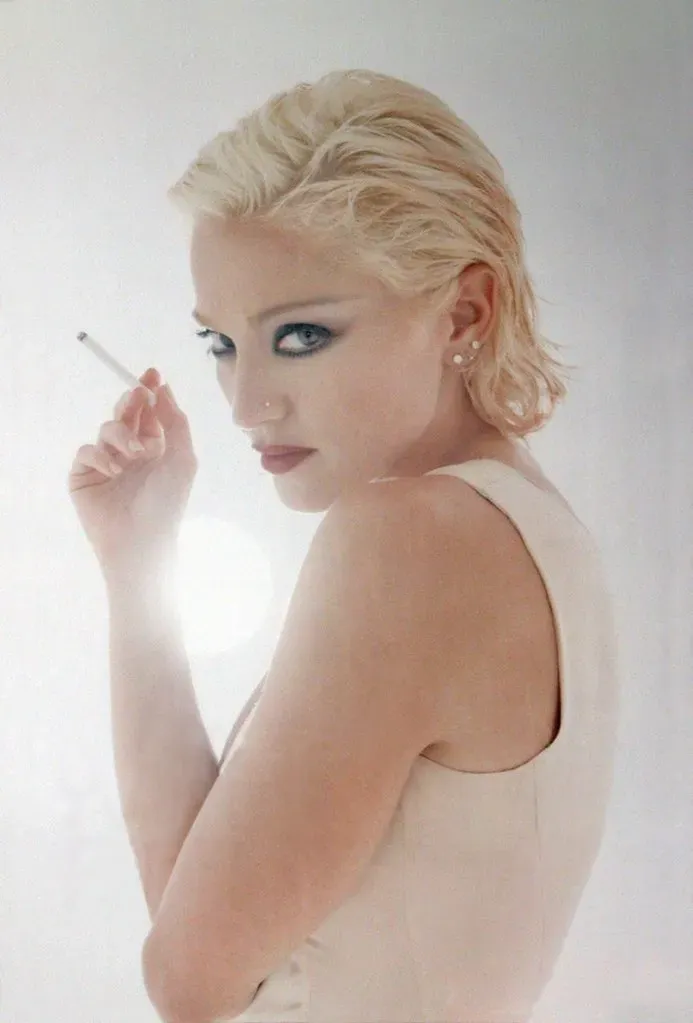
Madonna’s 1986 single tackled teenage pregnancy at a time when the topic was rarely addressed so directly in mainstream pop music. Some radio programmers and conservative groups worried the song either glamorized teen pregnancy or promoted a specific moral stance, leading a number of stations to hesitate before adding it to rotation. Planned Parenthood and several religious organizations publicly debated the song’s intended message.
The hesitation from cautious programmers didn’t dent the song’s popularity, and it became one of Madonna’s signature hits, reaching the top of the charts and reinforcing her reputation for tackling subjects other pop stars avoided. It marked a turning point where Madonna leaned into social commentary as part of her artistic identity rather than shying away from it. The song remains one of the most analyzed singles of her catalog.
10. “WAP” – Cardi B featuring Megan Thee Stallion


When this explicit 2020 collaboration dropped, its frank sexual lyrics made it one of the most heavily edited songs in recent radio history. Many terrestrial stations either declined to play it at all or aired only a heavily censored version, and some conservative commentators publicly called for boycotts, which only amplified media coverage of the single. The controversy played out extensively on social media, adding another layer of visibility beyond traditional radio.
Despite the resistance from cautious programmers, the song debuted at number one on the Billboard Hot 100 and became one of the defining hits for both artists’ careers. It reinforced Cardi B’s commercial dominance following her breakthrough and gave Megan Thee Stallion one of her biggest crossover moments. The single’s success demonstrated how streaming and social platforms could override traditional radio gatekeeping entirely.
Looking back at these ten songs, a pattern becomes hard to ignore. Radio bans and refusals rarely killed a song’s momentum; more often, they gave it a story worth talking about, which in the era before streaming was sometimes more valuable than airplay itself. Controversy forced listeners to seek the music out on their own terms, whether through record shops, television performances, or eventually downloads and social media campaigns.
What ties Louie Louie to WAP, decades apart, is the same basic truth about audiences and authority. Tell people they shouldn’t hear something, and plenty of them will go out of their way to hear it anyway. These ten records prove that a “no” from radio programmers can sometimes be the loudest promotion a song ever gets.
10 Songs That Radio Stations Refused to Play But Became Career-Defining Hits