Every so often, an artist finishes a record only to discover that finishing it is the easy part. Lawsuits, bankruptcies, contract fine print, and even federal seizures have all stood between musicians and the moment their work finally reaches the public. Some of these standoffs lasted months, others dragged on for years, and one is still technically ongoing nearly eight decades into the future.
What follows are nine real cases where a musician or group had a finished, often celebrated album sitting in the vault while some legal obstacle, whether contractual, financial, or governmental, kept it from the shelves. The music didn’t stop being great in the meantime. It just had to wait for the lawyers to finish talking.
1. Prince and the Warner Bros. Standoff
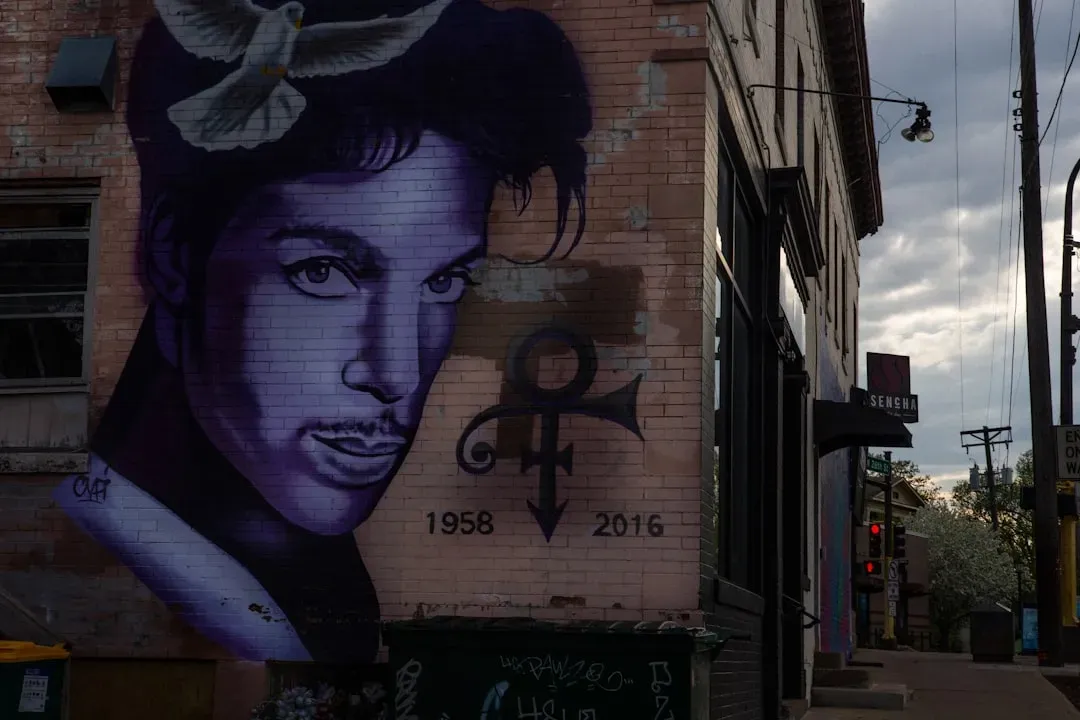
By the early 1990s, Prince was locked in a bitter dispute with Warner Bros. Records over ownership of his master recordings and the pace at which the label allowed him to release new material. He began appearing in public with the word “slave” written on his cheek and changed his professional name to an unpronounceable symbol, arguing that as long as Warner Bros. controlled his output, he was essentially a prisoner of his own contract.
During this period he kept recording at a furious pace, stockpiling what became known as “The Vault,” a massive archive of unreleased material that he could not put out under his own name while still bound to the label. Much of that music only saw daylight gradually over the following decades, including after his 1996 album Emancipation, which he made a point of releasing once he was finally free of the deal.
2. Frank Ocean’s Endless Maneuver
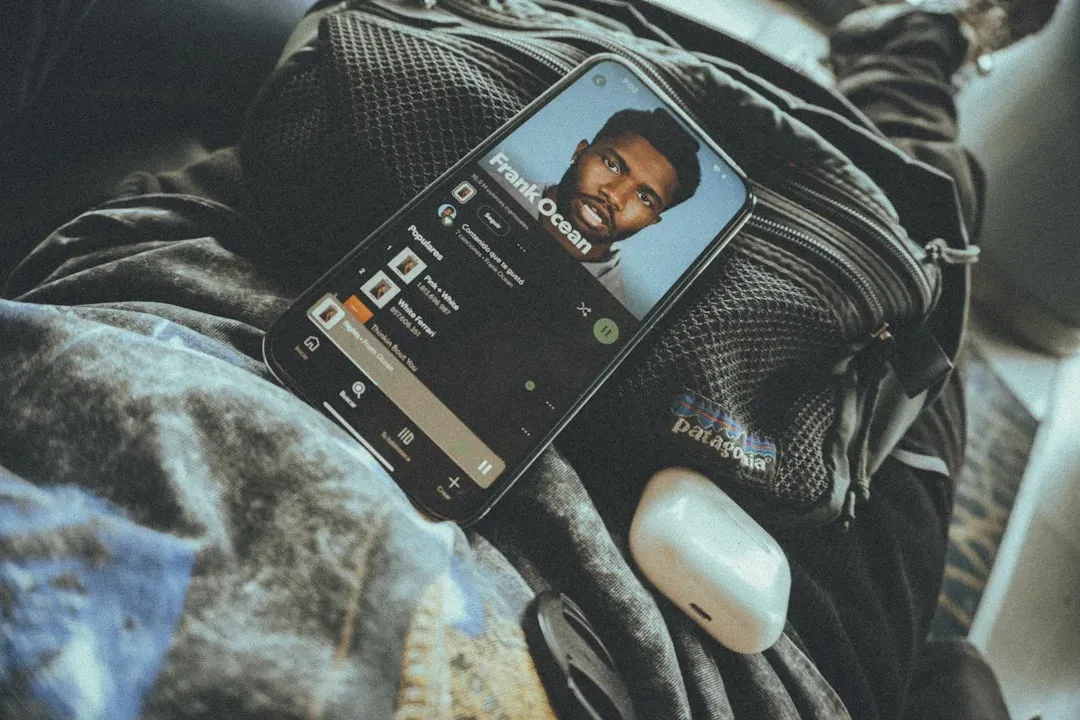
Frank Ocean spent years working on what would become his celebrated 2016 album Blonde, but he was still under a recording contract with Def Jam that entitled the label to a say in his next release. Rather than hand Blonde straight to Def Jam, Ocean quietly released a separate visual album called Endless to satisfy his remaining contractual obligation.
Once that requirement was fulfilled, he dropped Blonde independently just a day later, distributing it in a way that kept him free of the label’s control. The maneuver was widely seen as one of the shrewdest contract workarounds in modern music, allowing a genuinely acclaimed album to exist outside the system that had legally bound its creation.
3. Kesha and the Dr. Luke Litigation
Kesha’s career came to a legal standstill for years while she pursued a lawsuit against producer Dr. Luke, alleging abuse, and sought release from her recording contract with his Kemosabe label. Courts repeatedly declined to free her from the deal, meaning any new music she made still had to pass through a relationship she was actively suing to escape.
She eventually recorded Rainbow, released in 2017, while that legal fight was still unresolved in many respects, working out an arrangement that allowed the album to come out without Dr. Luke directly producing her vocals. The record became both a commercial success and a symbol of an artist pushing a finished project out from under a genuinely hostile legal cloud.
4. Lil Wayne’s Tha Carter V Lockup
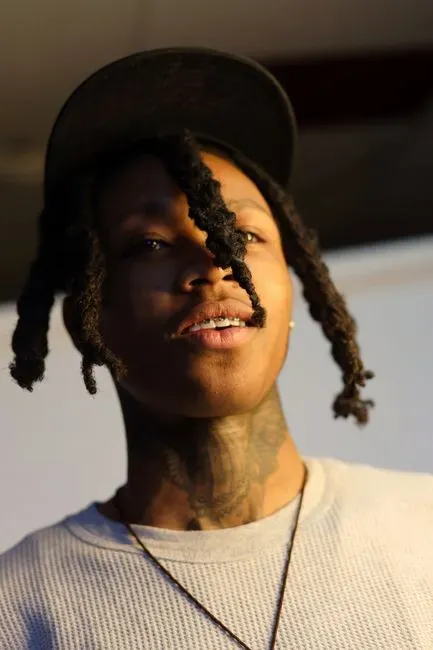
Tha Carter V, Lil Wayne’s 12th studio album, was recorded between 2013 and 2014. Despite being essentially complete, the album sat unreleased for years while Wayne fought to leave Cash Money Records. In 2014, Wayne wanted off Cash Money Records and accused Birdman of blocking the release of Tha Carter V, and the following year, on Jan. 28, 2015, Lil Wayne claimed in his lawsuit that Birdman owed him an $8 million advance for the album.
Wayne captured the frustration bluntly at the time, tweeting “I am a prisoner and so is my creativity.” The dispute dragged on for years, with the album’s fate tied directly to the outcome of the litigation. A settlement finally came in mid-2018 between Wayne, Birdman, Cash Money, and Universal, clearing the way for release. Tha Carter V finally dropped on digital platforms on September 28, 2018, four years after it was largely finished.
5. Wu-Tang Clan’s Once Upon a Time in Shaolin

Wu-Tang Clan recorded “Once Upon a Time in Shaolin” between 2007 and 2013, creating just one physical copy to protest the “intrinsic value of music” being “reduced to zero” by streaming and piracy. The group didn’t just make it hard to hear, they made it legally impossible to hear commercially for generations. The album was sold through the online art auction website Paddle8 in 2015 to Martin Shkreli, who purchased it for two million dollars.
The sale included a legal agreement prohibiting any commercial release or usage of the album until 88 years from its release, the year 2103, though it did allow for free release of the music and live listening parties. After Shkreli’s fraud conviction, the government seized the album as part of his forfeiture and it eventually landed with the collective PleasrDAO. The legal restrictions still stipulate that the owner cannot commercially release the album until 2103, 88 years after the project was finalized in 2015. No current owner has broken that rule, so the album remains recorded, finished, and legally frozen.
6. TLC and the Bankruptcy That Followed Their Biggest Hit
TLC’s CrazySexyCool became one of the defining R&B albums of the 1990s, eventually selling millions of copies and winning Grammy Awards. Yet within a year of that success, the group filed for Chapter 11 bankruptcy, a stunning outcome for a band riding a multi-platinum record, revealing just how little control and profit they actually held under their existing management and label agreements.
The financial and legal proceedings that followed forced the group to fight for a fairer contract before they could move forward as recording artists on their own terms. That renegotiation shaped the making of their next album, FanMail, which arrived in 1999 only after the group had legally untangled itself from the arrangements that had swallowed their earlier earnings.
7. Toni Braxton’s Legal Limbo Before The Heat

Toward the end of 1997, Braxton filed a lawsuit against LaFace Records, attempting to gain release from a contract she felt was no longer fair, and when LaFace countersued, Braxton filed for bankruptcy, a move that shocked many fans given her massive sales figures. Her lawyers argued that despite generating enormous revenue for the companies, she was receiving less than 35 cents in royalties for every album sold.
She spent most of 1998 in legal limbo, and Braxton and LaFace finally reached a settlement in early 1999, after which the singer began work on her third album. Recording sessions for The Heat commenced in late 1999 following her reconciliation with LaFace, continuing into early 2000 before its April release. The album that emerged only existed because Braxton had spent the better part of a year suing her own label just to keep making music at all.
8. Aaliyah’s Catalog Held Hostage for Two Decades

Aaliyah’s self-titled 2001 album was finished, released, and celebrated, but a rights dispute involving her label, Blackground Records, kept much of her catalog, including that record, off digital streaming services for roughly twenty years. The standoff wasn’t about the music itself being unfinished; it was about who legally controlled the masters and under what terms they could be distributed in the streaming era.
Fans spent two decades unable to legally stream one of the most influential R&B albums of its time, even as its influence rippled through the genre. The dispute was finally resolved in the early 2020s, allowing Aaliyah’s music to reach streaming platforms and a new generation of listeners who had only known the album through secondhand copies and old CDs.
9. Tupac Shakur’s Posthumous Material Tangled in Death Row’s Collapse
Tupac Shakur recorded an enormous volume of material before his death in 1996, far more than could fit on the albums released during his lifetime. In the years that followed, Death Row Records descended into its own legal chaos, including founder Suge Knight’s imprisonment and the label’s eventual bankruptcy, which left a significant amount of recorded but unreleased Tupac material tied up in ownership disputes.
Rights battles between Death Row, Tupac’s estate, and various distributors meant that some finished recordings sat legally inaccessible for release for extended stretches even as demand for new Tupac material stayed enormous. Posthumous albums did eventually make their way out, but only after the legal knots around who actually owned and could authorize the release of specific recordings were slowly picked apart.
Taken together, these nine stories say something interesting about the music business: finishing a great album has never guaranteed that anyone will actually get to hear it on schedule. Contracts, bankruptcies, and even government seizures have a way of outlasting the creative process itself. Yet in nearly every case here, the music eventually found its way to listeners, proof that a truly strong record tends to survive whatever legal maze stands between the studio and the release date.
9 Musicians Who Recorded a Classic Album While Legally Unable to Release It