Some books are famous. Others are actually finished. There’s a wide gap between the novels that sit on shelves looking impressive and the ones people truly sit down and complete, cover to cover, without skimming or quietly giving up around page one hundred. The list below isn’t about obscure literary trivia or books nobody has heard of. It’s about novels that are widely known, frequently started, and rarely finished by casual readers because of their length, density, or demands on patience.
If you’ve made it through all ten, you’re not just well read. You’ve done something that surveys on reading habits consistently suggest most people never manage, which is sticking with long, difficult, or structurally ambitious fiction from beginning to end. Here’s the list, and why each one earns its reputation as a genuine finish-line book.
1. War and Peace by Leo Tolstoy

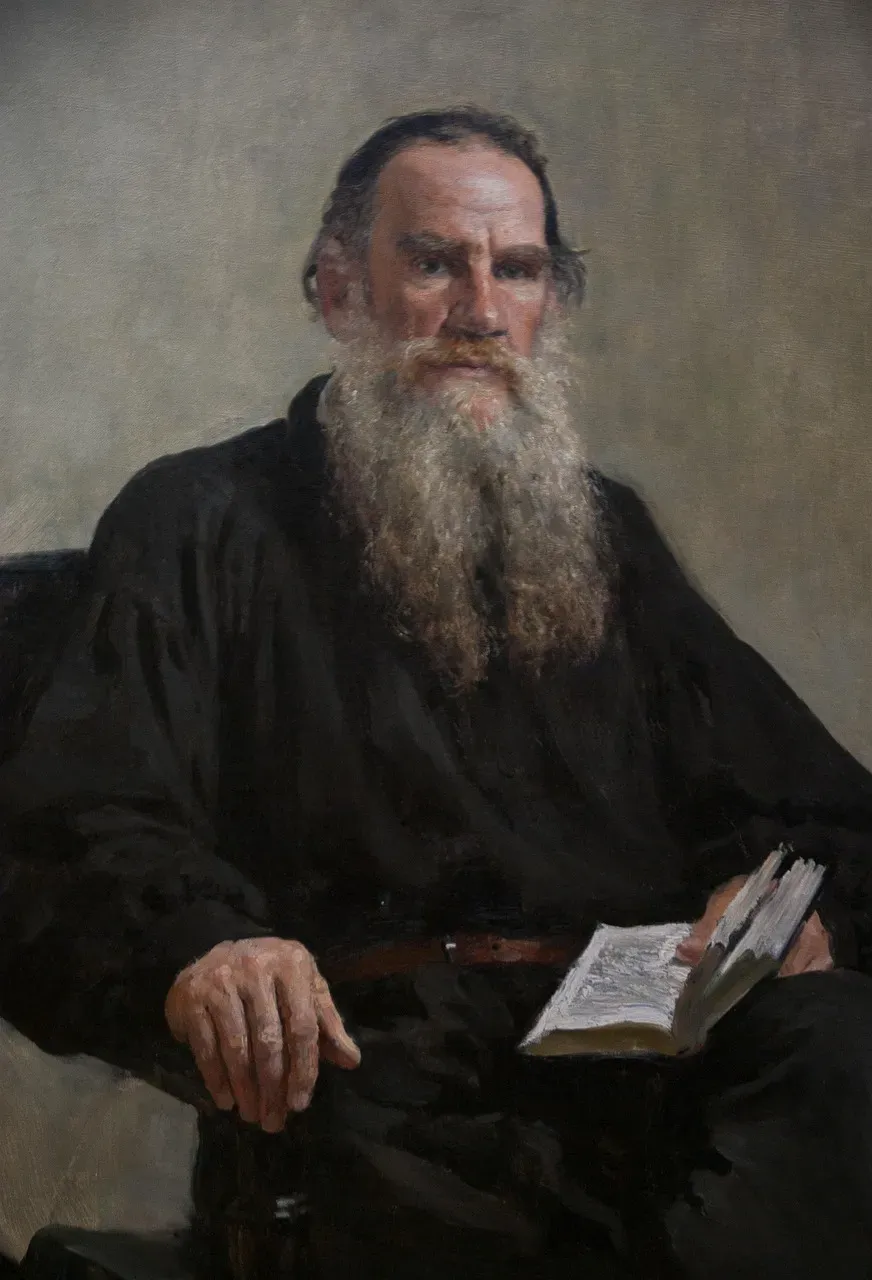
Tolstoy’s sprawling epic follows five aristocratic families through the Napoleonic Wars, weaving battlefield strategy with drawing-room romance across more than twelve hundred pages depending on the edition. It’s often cited as the quintessential “someday” book, the one people buy with good intentions and place on a shelf for years. The sheer number of characters, many with multiple names and nicknames in the Russian tradition, trips up even determined readers early on.
What makes finishing it rare isn’t just length but pacing. Tolstoy pauses the plot for lengthy philosophical digressions on history and free will, sections that many readers admit to skimming or abandoning entirely. Completing the novel means embracing those digressions rather than fighting them, which is a different kind of reading discipline than most fiction requires.
2. Ulysses by James Joyce

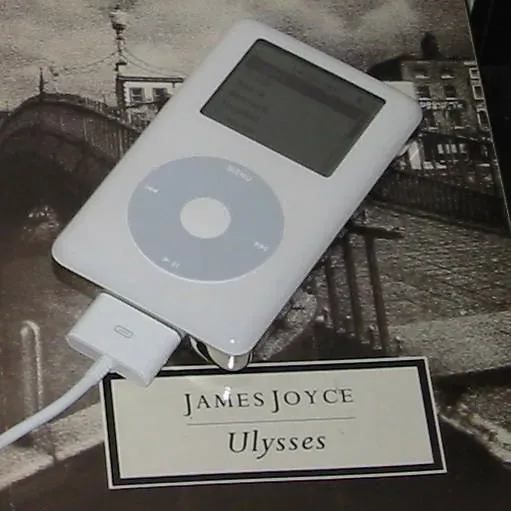
Joyce’s modernist landmark reimagines Homer’s Odyssey as a single day in Dublin, June 16, 1904, a date now celebrated annually as Bloomsday. The novel’s stream-of-consciousness technique, shifting styles, and dense wordplay make it one of the most frequently cited “unfinished” books in reader surveys and library return data. Even literature students often lean on companion guides just to track what’s happening chapter to chapter.
The famous final chapter, an unpunctuated interior monologue running for dozens of pages, is where many readers quietly stop. Pushing through to the end requires tolerating ambiguity and trusting that clarity isn’t the point. Readers who finish it tend to describe the experience as more like solving a puzzle than following a story.
3. Infinite Jest by David Foster Wallace

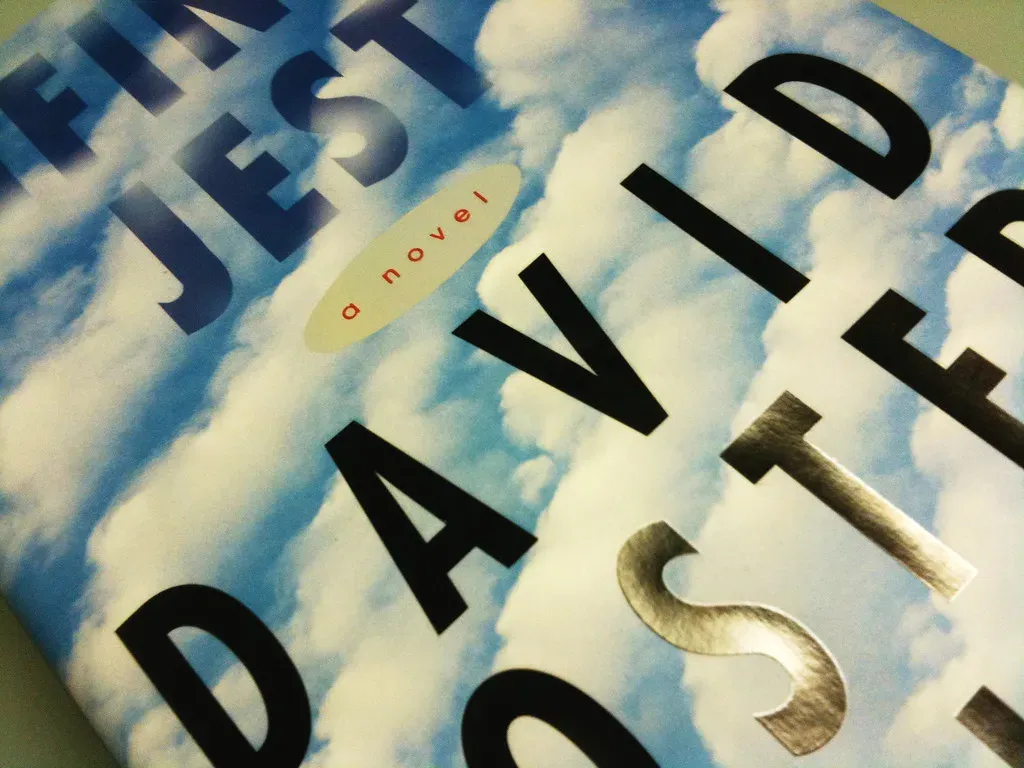
At over a thousand pages, with nearly one hundred pages of endnotes that are essential rather than optional, Wallace’s novel about addiction, entertainment, and tennis academies has become shorthand for ambitious contemporary fiction that people struggle to complete. The nonlinear structure jumps across timelines without clear signposting, forcing readers to piece together chronology themselves. Online reading groups dedicated entirely to getting through the book in structured stages have existed for years, which says something about how many people need scaffolding just to finish it.
The footnote system alone defeats plenty of readers, since flipping constantly between the main text and endnotes disrupts momentum. Those who make it to the deliberately unresolved ending often say the payoff is more thematic than plot-driven. It rewards patience rather than urgency, which isn’t how most modern readers are trained to consume fiction.
4. One Hundred Years of Solitude by Gabriel García Márquez

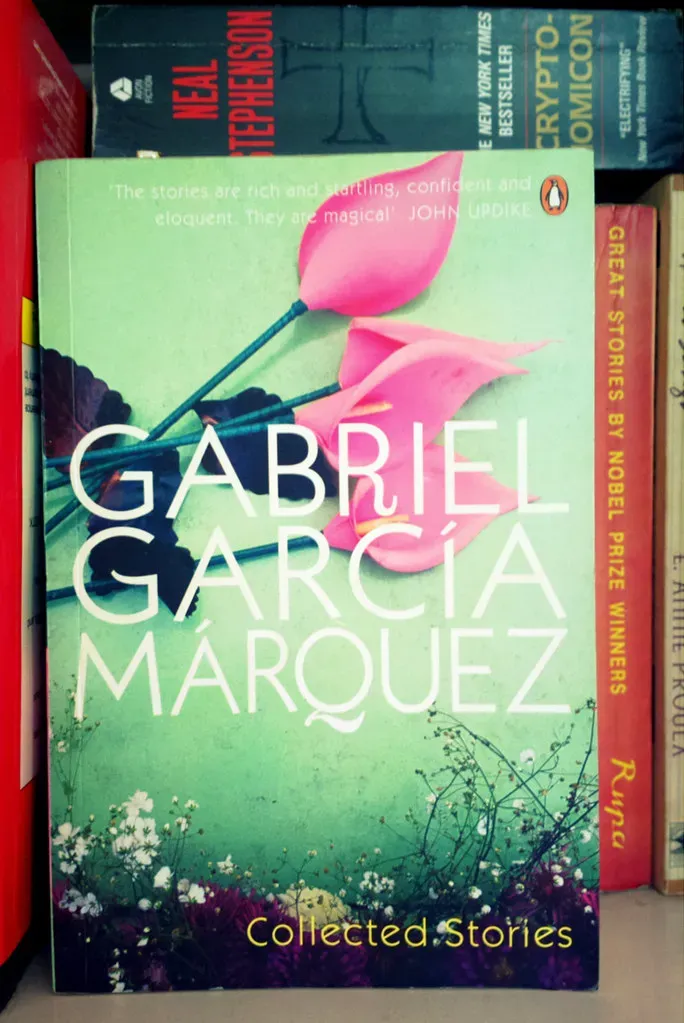
García Márquez’s multigenerational saga of the Buendía family in the fictional town of Macondo helped define magical realism and won its author the Nobel Prize in Literature in 1982. The novel’s biggest hurdle for readers is one of the simplest: nearly every character across seven generations shares just a handful of recurring first names, making family trees genuinely necessary for tracking who is who. Many editions now include a printed genealogy chart for exactly this reason.
Beyond the naming confusion, the blending of the mundane and the fantastical without narrative comment asks readers to suspend conventional logic entirely. Finishing the novel means accepting that ghosts, prophecies, and decades-long rainstorms are treated with the same tone as everyday household chores. That tonal consistency is part of what makes the book so influential, and also part of what makes it disorienting for newcomers.
5. Middlemarch by George Eliot

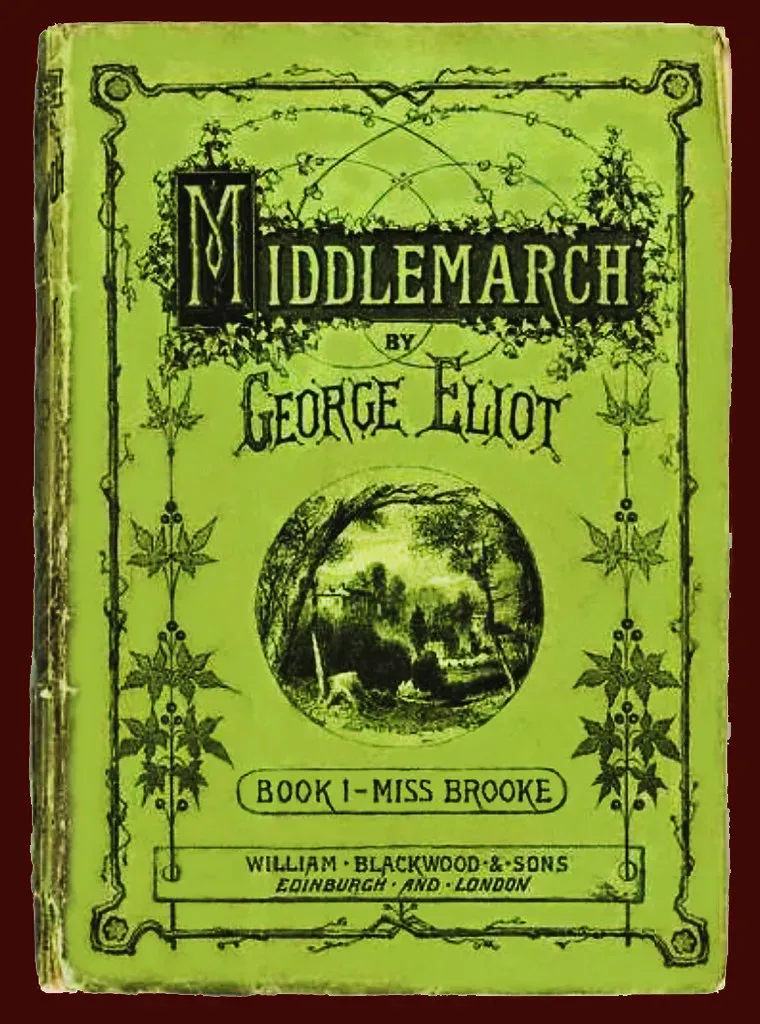
George Eliot’s study of provincial English life follows multiple intersecting storylines in the fictional town of Middlemarch, examining marriage, ambition, and social reform with a psychological depth that was unusual for Victorian fiction. At roughly eight hundred pages with a large ensemble cast, it demands sustained attention across storylines that don’t always feel urgent by contemporary standards. Virginia Woolf famously praised it as one of the few English novels written for grown-up people, a line often quoted precisely because the book asks for real patience.
The slow-burn structure means major payoffs arrive gradually rather than through dramatic plot twists. Readers accustomed to faster pacing sometimes lose momentum in the middle third, where subplots about local politics and provincial gossip take center stage. Completing it means valuing character development and social observation over conventional narrative tension.
6. The Brothers Karamazov by Fyodor Dostoevsky

Dostoevsky’s final novel combines a murder mystery with extended philosophical and theological debate, most famously in the chapter often published on its own as “The Grand Inquisitor.” Running well over eight hundred pages in most translations, it asks readers to sit through long passages of dialogue-driven philosophy between plot developments. The patronymic naming conventions of nineteenth-century Russian literature, where characters are referred to by multiple name variations, again slow down readers unfamiliar with the tradition.
The novel’s structure front-loads a great deal of theological and psychological groundwork before the central mystery gains real momentum. That slow build causes plenty of readers to set the book aside around the halfway point. Those who finish it typically say the patience pays off once the courtroom drama and family reckonings arrive in the final sections.
7. Moby-Dick by Herman Melville


Melville’s tale of Captain Ahab’s obsessive hunt for a white whale is as famous for its digressions as for its plot, with entire chapters devoted to cetology, whaling history, and rope-making techniques. Contemporary readers, and even many nineteenth-century ones, have found these technical detours to be the biggest obstacle to finishing the book. The novel sold poorly during Melville’s lifetime and only gained its towering reputation decades after his death.
What separates finishers from quitters is usually how they handle those non-narrative chapters. Readers who treat them as texture rather than filler tend to get more out of the experience and stay engaged longer. The famous opening line is one of the most recognized in American literature, yet relatively few readers make it all the way to the novel’s dramatic final chapters.
8. Gravity’s Rainbow by Thomas Pynchon
Set largely during the final months of World War II, Pynchon’s novel follows a sprawling cast connected to the development and psychological effects of the V-2 rocket. It won the National Book Award in 1974, though the fiction jury’s choice to award it was controversial at the time. The book’s reputation for difficulty rests on its shifting narrative voice, embedded songs and poems, and a plot that resists straightforward summary even from readers who’ve finished it multiple times.
Reading guides and annotated companions exist specifically because so many readers need help just tracking character names and plot threads. The nonlinear structure and frequent tonal shifts, from slapstick to horror within a single chapter, make sustained reading genuinely demanding. Finishing it is often described less as pleasure reading and more as an act of scholarly commitment.
9. A Suitable Boy by Vikram Seth


At around fourteen hundred pages depending on the edition, Seth’s novel about arranged marriage in newly independent India is frequently cited as one of the longest single-volume novels published in English. The story follows four families across a search for a husband for one young woman, using that search as a lens into religion, politics, and social change in the early 1950s. Its length alone discourages many readers before they even open the cover.
Unlike some difficult novels on this list, A Suitable Boy isn’t stylistically experimental, which makes the challenge purely one of endurance rather than comprehension. Readers who commit to it often describe getting pulled in gradually rather than all at once. Finishing it requires the kind of sustained attention that shorter, faster-paced fiction simply doesn’t demand.
10. The Man Without Qualities by Robert Musil

Musil’s unfinished masterpiece, left incomplete at his death in 1942, follows a Viennese intellectual adrift in the last days of the Austro-Hungarian Empire before World War I. Running to well over a thousand pages across its published volumes, the novel is dense with essayistic digressions on ethics, science, and identity rather than driven by conventional plot. Its incompleteness itself is part of what makes finishing it unusual, since readers must accept an ending that trails off rather than resolves.
The novel is often mentioned alongside Ulysses and In Search of Lost Time as one of the great monuments of modernist fiction that far more people own than have actually read. Its reputation as a novel of ideas rather than a novel of events means it rewards readers who enjoy sustained intellectual argument over narrative payoff. Getting through it is less common than getting through almost anything else on this list.
What Finishing These Books Actually Says About a Reader


None of these ten novels are difficult purely for the sake of difficulty. Each one asks something specific of its reader, whether that’s tolerating digression, tracking a sprawling cast, or accepting an unresolved ending, and each demand reflects something about the author’s larger artistic goals. Reading surveys and library data consistently show that long, dense novels have lower completion rates than shorter or more plot-driven fiction, which is exactly why finishing even a few of these stands out.
Completing all ten isn’t really about bragging rights, even if it’s tempting to treat it that way. It reflects a particular kind of reading temperament, one that values patience and sustained attention in an era when most content is designed to be consumed quickly. That’s a genuinely rare trait, and it’s worth recognizing in yourself if you’ve got all ten checked off.
If You’ve Read All 10 of These Novels, You’re a More Serious Reader Than 95% of People