Pop culture loves a tidy narrative, and few narratives are tidier than the one-hit wonder. A song blares from every radio for a summer, gets mocked on a VH1 countdown twenty years later, and the band behind it becomes a punchline rather than a career act. The trouble is that this shorthand often erases years, sometimes an entire decade, of legitimate chart success that simply didn’t happen in the American market or didn’t survive in the public memory the way that one signature single did.
The nine acts below all carry some version of the one-hit wonder label in casual conversation, yet each one built a genuine run of hits, often stretching close to ten years, across the UK, Europe, or the US charts. Their stories say less about their talent and more about how selective our collective memory tends to be.
A-ha: More Than Just “Take On Me”

Ask most Americans to name an A-ha song and you’ll get one answer, and understandably so. The 1980s Norwegian synth-pop band A-ha reached number 1 on the Billboard Hot 100 with their hit Take On Me, which featured a ground-breaking, part live-action, part animated rotoscoped video. That single alone was enough to cement them as a “one-hit” act in the minds of casual American listeners.
Yet outside the US, A-ha never stopped charting. The band kept releasing music and touring for decades, and their reach extended well beyond the mid-1980s. The Norwegian trio has released multiple albums of new material long after their breakthrough, with recent releases still debuting inside the official UK Albums chart top ten. Add to that the fact that a remixed version of their signature song has continued to chart decades later, and you have a band whose commercial life span looks nothing like a typical one-hit story.
Toto: A Full Decade of Radio Staples

Toto is perhaps the clearest case of a band unfairly flattened into a single song, “Africa,” thanks to internet memes and karaoke nights. In reality, the band’s chart career spanned roughly ten years without interruption. Released in October of 1978, Toto’s eponymous debut swiftly became a hit, with its lead single, “Hold the Line,” climbing to number five on Billboard’s Hot 100.
The hits kept coming well past that debut. Their career was made by their 1982 album Toto IV, an immaculate collection of pop or rock songs that spun off three Billboard Top Ten hits, “Rosanna,” “Africa,” and “I Won’t Hold You Back,” on its way to winning five Grammys. Even later in the decade, the band was still landing songs on the chart, including “Pamela,” released as the first single from The Seventh One album, which reached number 22 on the Billboard Hot 100 in 1988, a full decade after their debut.
Dexys Midnight Runners: A Career Built on More Than One Wedding Song

“Come On Eileen” is inescapable at weddings and on classic hits radio, and for many Americans it’s the only Dexys Midnight Runners song they could name. That reputation obscures a genuinely productive run in the band’s home country. Between the late 1970s and mid-1980s, the group charted repeatedly in the UK, with earlier singles like “Geno” reaching number one there years before “Come On Eileen” ever crossed the Atlantic.
The band’s sound shifted considerably across that stretch, from soul-influenced horn arrangements to the folk-inflected fiddle sound that eventually broke through internationally. That stylistic reinvention is part of why casual fans assume “Come On Eileen” appeared out of nowhere. It was actually the product of a band that had already spent years experimenting and charting before finding its biggest crossover moment.
Soft Cell: Tainted Love Was Just the Start
Soft Cell’s cover of “Tainted Love” became one of the defining singles of the early 1980s and, in the US especially, it’s often treated as the beginning and end of the duo’s story. British audiences remember it differently. The duo charted multiple times on the UK singles chart through the early to mid-1980s with songs like “Bedsitter” and “Say Hello, Wave Goodbye,” building a run that extended well beyond their signature cover.
Frontman Marc Almond also kept a chart presence going into the following decade through solo work and collaborations, which further complicates the idea that Soft Cell’s commercial relevance ended after 1982. When you count the duo’s run alongside Almond’s subsequent solo hits, the act’s overall chart footprint stretches close to ten years, not the single-song blip it’s often remembered as.
Men Without Hats: The Safety Dance Had Company
“The Safety Dance” is a novelty-adjacent classic that tends to get filed alongside other quirky one-off 1980s hits. Men Without Hats, however, kept releasing material and charting internationally for years afterward. The band’s Canadian home market saw continued success into the late 1980s, and songs like “Pop Goes the World” found real traction on American radio and MTV years after their breakout single.
What makes the band’s story interesting is how differently their catalog is remembered depending on geography. In Canada and parts of Europe, they’re recognized as a band with a genuine multi-year run rather than a novelty act tied to a single dance-themed chorus. The gap between that reputation and their actual chart history is a near-perfect example of how the one-hit wonder label gets applied unevenly.
Berlin: Take My Breath Away Overshadowed an Earlier Run

Berlin’s “Take My Breath Away,” from the “Top Gun” soundtrack, is so massive and so tied to that film that it effectively erased the band’s earlier career in the popular imagination. Before that song topped the charts in 1986, Berlin had already been releasing new wave singles for years, building a following through college radio and dance clubs starting in the late 1970s.
Songs like “Sex (I’m A…)” and “No More Words” found real chart and club success in the early 1980s, well before the band’s Grammy-winning ballad turned them into soundtrack royalty. The band’s active chart period, from their first singles through their post-“Top Gun” momentum, comfortably spans close to a decade, even though most listeners today only know the one song that plays over a fighter jet montage.
Katrina and the Waves: Walking on Sunshine Wasn’t a Solo Act

“Walking on Sunshine” is one of the most licensed, most instantly recognizable songs of the 1980s, and it has largely become shorthand for the entire band. Katrina and the Waves, though, had a chart presence in the UK that started years before that song and continued well after it, including additional singles that charted respectably through the mid-to-late 1980s.
The band’s story took an unusual turn in 1997 when they won the Eurovision Song Contest for the United Kingdom with “Love Shine a Light,” a hit in its own right across Europe. That win came roughly a decade after their breakout single, giving the band a genuine bookend of commercial success rather than the single flash-in-the-pan moment most people associate with them.
Big Country: In a Big Country Had a Long Tail

American radio remembers Big Country almost exclusively for “In a Big Country” and its distinctive guitar work designed to mimic bagpipes. In the UK, the band was a consistent chart presence for the better part of a decade, with singles continuing to land in the charts through the late 1980s and into the early 1990s.
The band’s ability to keep charting at home even as American interest faded is a familiar pattern among acts on this list. It underscores how much the one-hit wonder label is really a US radio phenomenon rather than an accurate reflection of an artist’s overall career, since Big Country’s UK fanbase never treated them as a novelty act.
Spandau Ballet: True Wasn’t a Fluke
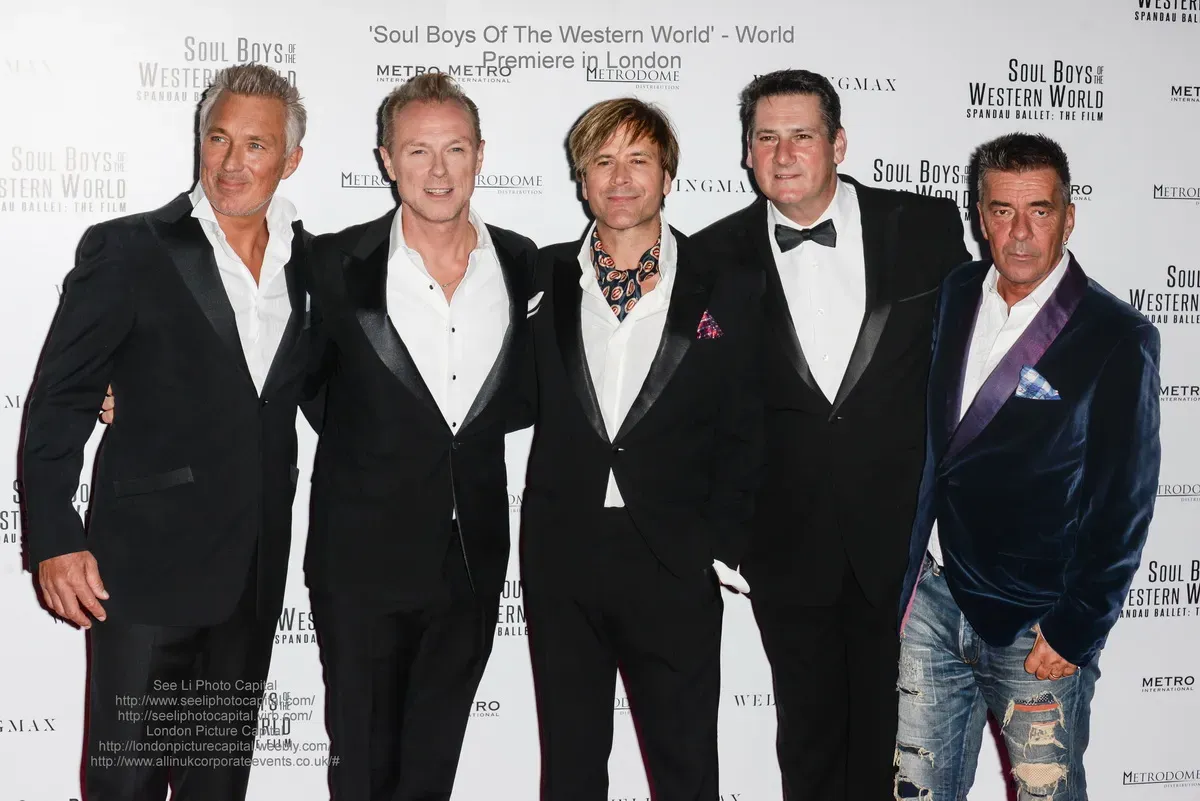
“True” is the song most casual American listeners associate with Spandau Ballet, thanks in part to its later use in film and its steady presence on soft rock and adult contemporary radio. In reality, the band was one of the most consistent hitmakers to come out of the UK’s New Romantic scene, charting repeatedly from the early 1980s through the end of that decade.
Singles like “Gold” and “Only When You Leave” kept the band on UK and European charts for years, giving them a run that lines up neatly with the definition of a decade-spanning career. Their commercial peak in the US may have been brief, but their overall chart history tells a much longer and more consistent story.
Why the Myth Persists

Part of the reason these bands get flattened into one-hit status comes down to how American radio and streaming culture curate the past. Classic hits stations and viral playlists tend to recycle the same handful of instantly recognizable singles, which reinforces the idea that nothing else these artists made mattered commercially. That repetition creates a feedback loop where the biggest song becomes the only song in most listeners’ minds.
There’s also a geographic bias built into the term itself. Several of these acts, particularly the British and European ones, had chart careers that were robust at home but only produced a single genuine American crossover. Calling that a one-hit wonder ignores an entire market’s worth of chart history simply because it didn’t happen to unfold on the Billboard Hot 100.
Rethinking the Label

None of this is to say every band accused of being a one-hit wonder deserves a reputation rehab. Plenty of acts genuinely did fade after a single breakout single, and that’s a real and well-documented phenomenon in music history. Still, the nine bands here show how easily a career gets reduced to its loudest moment, especially when that moment happens to soundtrack a movie, a wedding reception, or a decade-defining meme.
The next time a classic hits station cues up “Take On Me” or “Africa,” it’s worth remembering that these weren’t isolated flukes. They were the most visible peaks of catalogs built over years of consistent work, proof that a single unforgettable song can sometimes overshadow an entire body of it.
The ‘One-Hit Wonder’ Myth: 9 Bands Who Actually Had a Decade of Hits