Walk into almost any public school library in America today and you might notice a gap on the shelf where a familiar bestseller used to sit. Some of the most celebrated novels of the last several decades, books that topped bestseller lists, won literary prizes, and shaped the reading lives of millions of teenagers, have quietly disappeared from school collections in recent years. The reasons behind these removals are rarely simple, and they reveal a lot about the current cultural fight over what young readers should have access to.
According to PEN America’s tracking, in the 2024-2025 school year, PEN America recorded 6,870 instances of book bans affecting nearly 4,000 unique titles. That is a staggering number, and it means the books discussed below are not isolated cases. They are part of a much larger pattern that has swept through school districts in dozens of states over the past several years.
A Clockwork Orange by Anthony Burgess

Burgess’s 1962 dystopian classic has become, somewhat unexpectedly, the single most banned book in American schools right now. Burgess’ dystopian satire about a sociopathic, Beethoven-obsessed teen gang leader was banned in 23 districts in the 2024-25 school year. The novel’s graphic depictions of violence, along with its dark exploration of free will and moral conditioning, are typically cited as the sticking points for review committees and school boards.
What makes this case notable is the book’s literary pedigree. Anthony Burgess’ influential dystopian satire depicts a world where teen protagonist Alex creates mayhem before undergoing aversion therapy to curb his violent tendencies, and publisher W.W. Norton calls it “a frightening fable about good and evil and the meaning of human freedom.” Despite that pedigree, or perhaps because its themes hit close to home for anxious parents and administrators, it has become the poster child for a much broader censorship wave.
Sold by Patricia McCormick

Patricia McCormick’s novel in verse tells a harrowing but important story. Patricia McCormick’s 2006 young adult title Sold is a fictional account of a girl sold into sexual slavery in India that was named one of the American Library Association’s best YA books. It has consistently ranked among the most frequently challenged titles nationwide, largely because of its unflinching portrayal of human trafficking and sexual exploitation.
Reviewers and librarians have long defended the book precisely because of that unflinching honesty, arguing it gives voice to victims of a real and ongoing global crisis. Still, that same subject matter is what gets it flagged again and again by parents and administrators who consider the content too mature for a school setting, regardless of the book’s critical acclaim and its use in classrooms focused on human rights and social justice topics.
Breathless by Jennifer Niven

Jennifer Niven built a following with emotionally raw coming-of-age fiction, and Breathless is no exception. The novel follows a teenage girl navigating her parents’ divorce while spending a formative summer discovering herself, romantically and otherwise, before heading off to college. “Breathless” by Jennifer Niven topped the list of most banned books in the 2024-2025 school year, alongside several other frequently challenged titles.
The complaints against Breathless typically center on its candid depiction of teenage sexuality and coming-of-age romance. Critics of the ban point out that the book deals honestly with the kind of experiences many teenagers actually go through, while those pushing for its removal argue that school libraries should not be the place where students encounter such explicit material, regardless of how realistically it is portrayed.
Last Night at the Telegraph Club by Malinda Lo

Malinda Lo’s acclaimed historical novel, set in 1950s San Francisco, follows a Chinese American teenager falling in love with another girl amid the pressures of Cold War-era conformity. The book has won major literary awards, yet it remains a consistent target for removal. “Last Night at the Telegraph Club” is among the most banned books of the 2024-2025 school year, according to PEN America.
Lo herself has offered a candid theory about why her book keeps resurfacing on ban lists. As author Malinda Lo pointed out, previously banned titles have not returned to shelves, and Lo, whose book “Last Night at the Telegraph Club” was No. 4 on PEN America’s new list, said on Instagram that her 2021 novel made the cut “partly because all of the usual titles like ‘Gender Queer’ have already been removed from many library collections. In other words, LGBTQ+ themed literature keeps appearing on ban lists partly because it keeps getting targeted first, year after year.
A Court of Mist and Fury by Sarah J. Maas

Few authors illustrate the collision between commercial success and school censorship quite like Sarah J. Maas. Her romantasy series, fueled by an enormous following on BookTok, has sold millions of copies worldwide. Yet that popularity has not shielded her books from scrutiny. Sarah J. Maas, who skyrocketed to fame with the help of BookTok, was the third most frequently banned author of the 2024-25 school year, according to PEN America’s Index of School Book Bans.
The specific title, a follow-up in her wildly popular fantasy series, has drawn objections mainly for its sexual content and mature romantic scenes, which are woven throughout an otherwise sprawling fantasy plot involving magic, political intrigue, and court politics. Fantasy author Sarah J. Maas, along with Stephen King and Ellen Hopkins, is listed among the authors most-challenged overall in the 2024-25 academic year. For a genre built largely around teen and young adult readers, the irony of banning some of the genre’s bestselling titles from school shelves has not been lost on librarians or fans.
The Bluest Eye by Toni Morrison

Toni Morrison’s debut novel remains one of the most consistently challenged works of American literature, decades after its original publication. The book explores themes of sexual abuse, racial identity, racism, motherhood, and slavery, following a young Black girl in Ohio who believes her life would improve if she had blue eyes. Its unflinching treatment of trauma is exactly what has made it both a celebrated work and a lightning rod for controversy.
In several districts, the objections have gone beyond the book’s depiction of abuse. In Georgia, for example, a superintendent removing the title from a high school library cited a list of reasons including “LGBTQ themes,” “LGBTQ ideology,” “gender fluidity,” “inflammatory racial and social commentary,” “alternative sexualities,” and “inflammatory language, despite the novel containing none of those elements in any prominent way. Morrison herself, before her death, offered a pointed rebuke of this pattern, once describing school book bans as the “purist and yet elementary kind of censorship designed to appease adults rather than educate children.”
Nineteen Minutes by Jodi Picoult
Jodi Picoult is one of the bestselling novelists of the last two decades, and Nineteen Minutes, her exploration of the aftermath of a school shooting, has become a frequent target of school library reviews. Bestselling novelist Jodi Picoult’s Nineteen Minutes is about the unfolding of a school shooting, and it appears among the most banned books of the 2024-2025 school year according to PEN America.
What makes this case particularly striking is the subject matter’s real-world relevance. The novel was written specifically to help readers understand the psychology behind school violence, bullying, and social isolation among teenagers, themes that remain painfully current. Yet its graphic content and mature themes surrounding the shooting itself have led many districts to pull it from shelves, even as school safety remains a pressing national conversation.
The Bigger Picture Behind the Numbers
These seven books did not disappear from school libraries in a vacuum. For the third straight year, Florida was the No. 1 state for book bans, with 2,304 instances of bans, followed by Texas with 1,781 bans and Tennessee with 1,622. Together, these three states account for the overwhelming majority of documented bans nationwide, a concentration that speaks to specific state laws and local political pressures rather than a uniform national consensus about what belongs on a library shelf.
The pattern in the content itself is just as telling. This censorship is being mobilized by groups espousing conservative viewpoints, has spread to nearly every state, and predominantly targets books about race and racism or books featuring individuals of color and LGBTQ+ people and topics, as well those for older readers that have sexual references or discuss sexual violence. Even Stephen King, hardly a niche author, has felt the effect at scale. Stephen King was named as the author most likely to be censored, with his books censored 206 times, according to PEN, with “Carrie” and “The Stand” among the 87 of his works affected.
What This Means for Readers and Schools

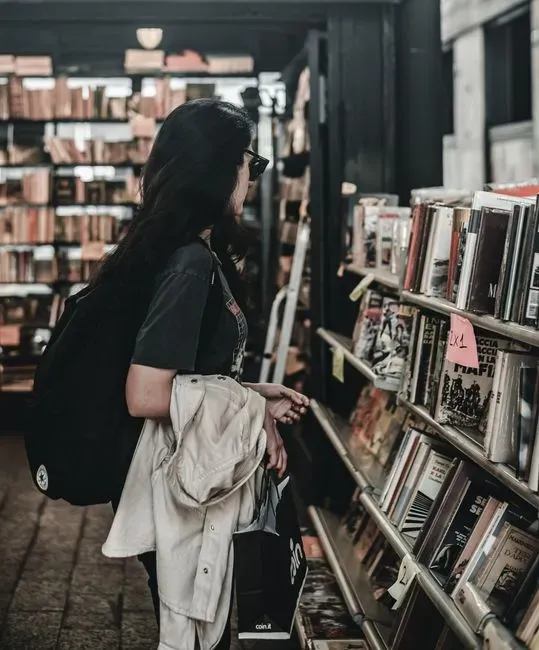
The debate over these bans is not simply a matter of protecting children from inappropriate material versus defending free expression, though it is often framed that way. Many of these books deal with difficult, sometimes disturbing subjects precisely because those subjects are part of real teenage experience, whether that is sexual violence, addiction, identity, or gun violence in schools. Removing a book does not remove the issue it describes; it just removes one avenue students have for processing it through literature.
At the same time, it is worth noting that the total volume of bans has actually declined slightly. While that’s down from a total of 10,046 bans imposed during the 2023-24 school year, it’s still a sharp rise from the period of 2021-2023, which averaged just under 3,000 incidents of book banning each year, in what it calls a “disturbing normalization of censorship” in public schools. Some observers suggest this dip reflects preemptive self-censorship rather than a genuine cooling of the underlying pressure, meaning schools and librarians are pulling potentially controversial titles before a formal challenge even happens.
Where This Leaves School Libraries Going Forward
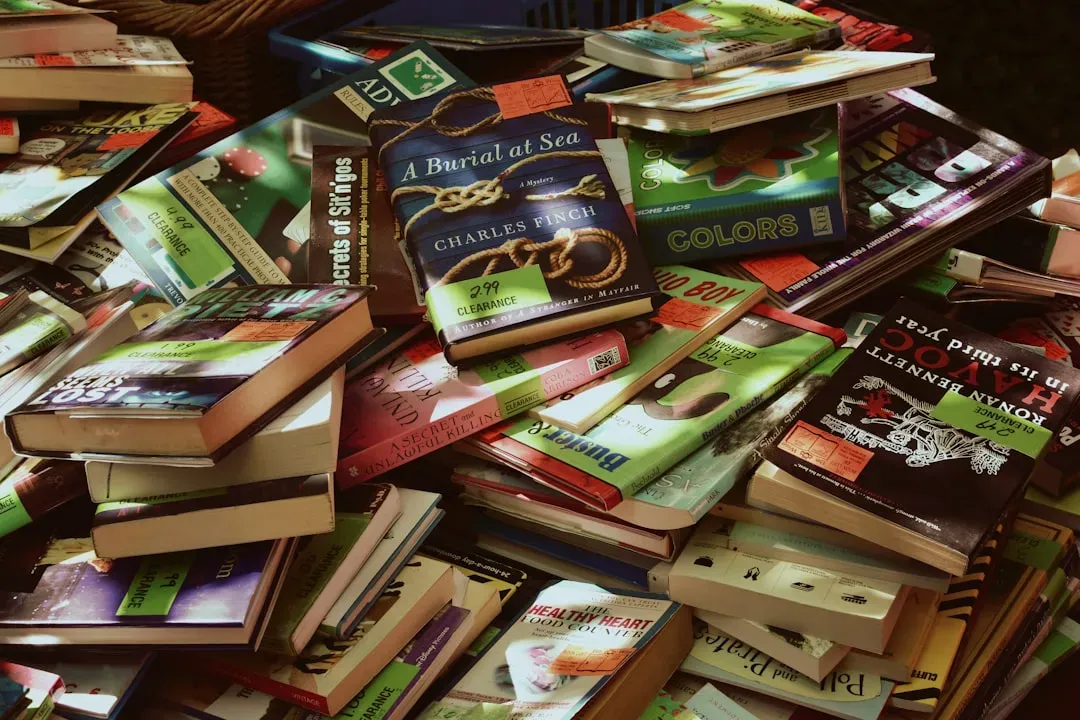
The removal of these seven bestsellers, and thousands of others like them, raises hard questions about who gets to decide what teenagers should read and on what grounds. Award-winning literature, Nobel Prize-winning authors, and multimillion-copy bestsellers have all ended up on the same lists as books most people would agree are genuinely inappropriate for younger readers, which suggests the review process in many districts is inconsistent at best.
For now, the trend shows no clear sign of reversing in most of the states driving these numbers. Parents, educators, librarians, and lawmakers remain deeply divided over where the line should be drawn between protecting young readers and limiting their access to literature that reflects the complicated realities of growing up. Whatever side of that debate one falls on, the sheer scale of what has been pulled from shelves in just the past few years is hard to ignore.
The Real Reason 7 Bestselling Novels Were Pulled From School Libraries