1. Minority Report (2002)


Before the script was even finalized, Steven Spielberg brought together a group of scientists and futurists for what became known as a think tank summit in 1999. Spielberg invited fifteen experts, futurists, architects, and computer scientists to a Santa Monica hotel for a three day think tank summit, including futurist Peter Schwartz and computer scientist Jaron Lanier, who later helped develop Microsoft Kinect. Their job was to imagine what Washington D.C. might look like decades ahead, and the result shaped nearly every piece of technology in the film.
The predictions held up surprisingly well. Gesture interfaces, retina scanning, personalized advertising, predictive policing software, autonomous vehicles, and facial recognition billboards have all become reality, though not always in a convenient way. Retailers experimented with gesture controlled advertising displays that could identify a shopper’s age and gender within years of the film’s release, echoing the mall scene where billboards call out to Tom Cruise’s character by name.
2. 2001: A Space Odyssey (1968)

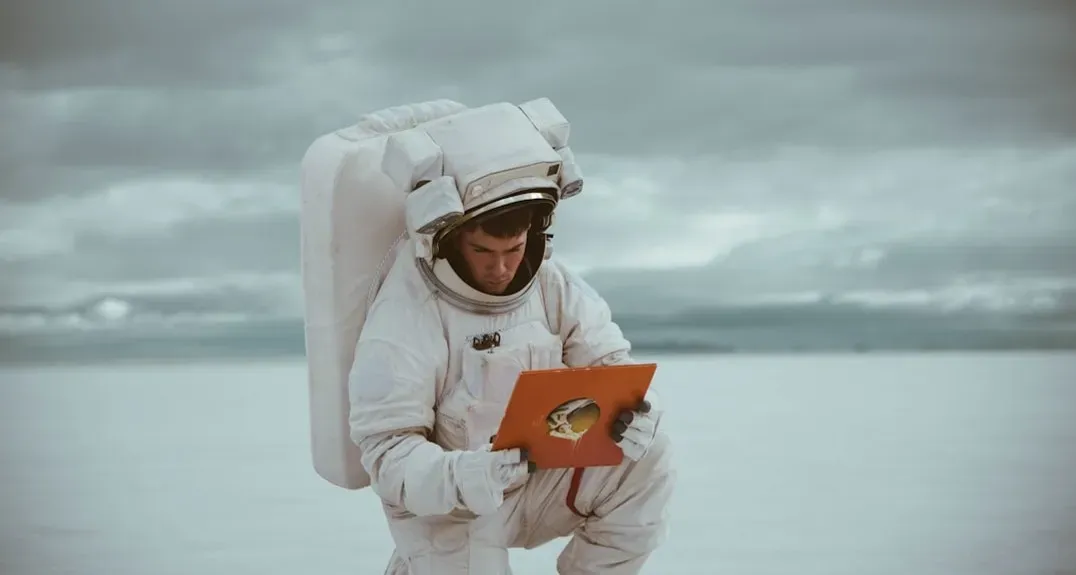
Stanley Kubrick and Arthur C. Clarke imagined a flat, handheld device called the Newspad, used by astronauts to read digital news while eating breakfast in orbit. The idea seemed pure fantasy at the time, since nothing resembling a modern tablet existed anywhere close to that shape or function. Yet more than four decades later, the resemblance became so uncanny that it ended up in a real courtroom.
During the sprawling Apple versus Samsung patent battle, Samsung’s lawyers pointed directly at the film. Samsung’s intention to use the devices against Apple was first revealed in a filing that pointed to a scene in which astronauts are using personal tablet computers. The evidence was a still image from the 1968 film in which two astronauts are eating and using tablet computers. The judge ultimately barred the argument, but the fact that a fifty year old film was cited as prior art for the iPad says a lot about how close Kubrick’s vision landed.
3. Blade Runner (1982)

Ridley Scott’s dystopian Los Angeles was drenched in neon advertising, video calls on public payphones, and towering digital billboards that dominated the skyline. At the time, personal video calling was a novelty confined to trade show demonstrations, and city advertising was still mostly static print and neon signs. The idea that a corporation’s logo might glow larger than a building felt like exaggerated set design rather than a believable forecast.
Modern cities, especially dense ones like Tokyo’s Shibuya or New York’s Times Square, now feature exactly the kind of oversized digital advertising the film imagined. Video calling has become an everyday habit rather than a futuristic gimmick, built into nearly every smartphone and laptop. The film’s darker themes around bioengineered life and corporate control over biology also feel less far fetched now that gene editing and synthetic biology are active fields of research rather than fringe speculation.
4. The Truman Show (1998)

Peter Weir’s film about a man unknowingly living his entire life inside a televised set arrived just before reality television exploded into mainstream culture. Shows like Big Brother and Survivor launched only a year or two later, turning ordinary people’s daily lives into round the clock entertainment for paying audiences. The film’s premise, once viewed as a satirical stretch, started to feel like a mild understatement of what audiences would actually accept.
The deeper prediction sits in how casually the fictional audience watches Truman’s private life unfold without much guilt. That same normalization now applies to livestreaming, social media oversharing, and constant surveillance through doorbell cameras and smartphone tracking. What once read as a critique of manufactured television became, over time, a fairly accurate description of how comfortable people would become living partly in public.
5. Network (1976)

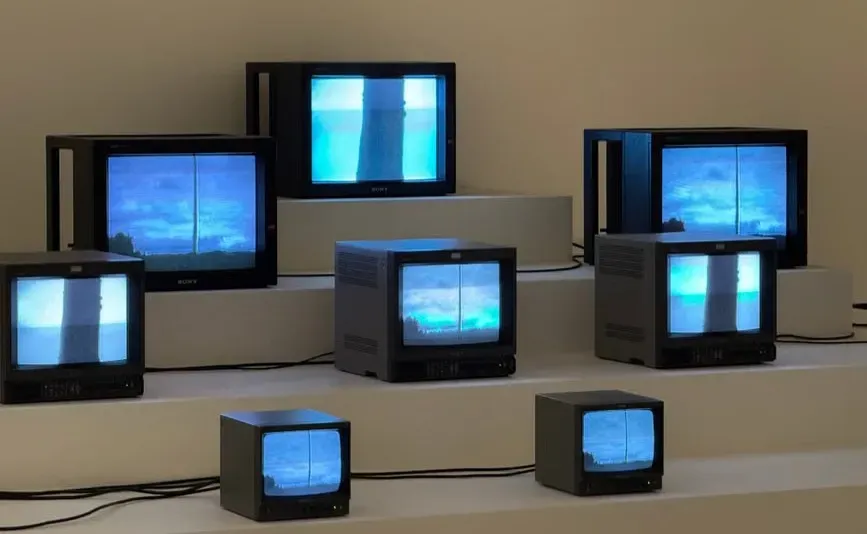
Sidney Lumet’s media satire imagined television news chasing ratings so aggressively that outrage and spectacle would eventually replace substance. A news anchor spirals into on air breakdowns that the network happily broadcasts because the ratings keep climbing. At the time, this was viewed as biting satire of a industry that still had standards separating news from entertainment.
Cable news and social media algorithms have since built entire business models around exactly that dynamic, rewarding outrage and emotional intensity over careful reporting. The film’s warning about entertainment value overtaking journalistic responsibility reads less like satire now and more like an early diagnosis of a trend still playing out across cable news and online platforms in 2026. Few films from the 1970s have aged into something so directly recognizable.
6. Total Recall (1990)

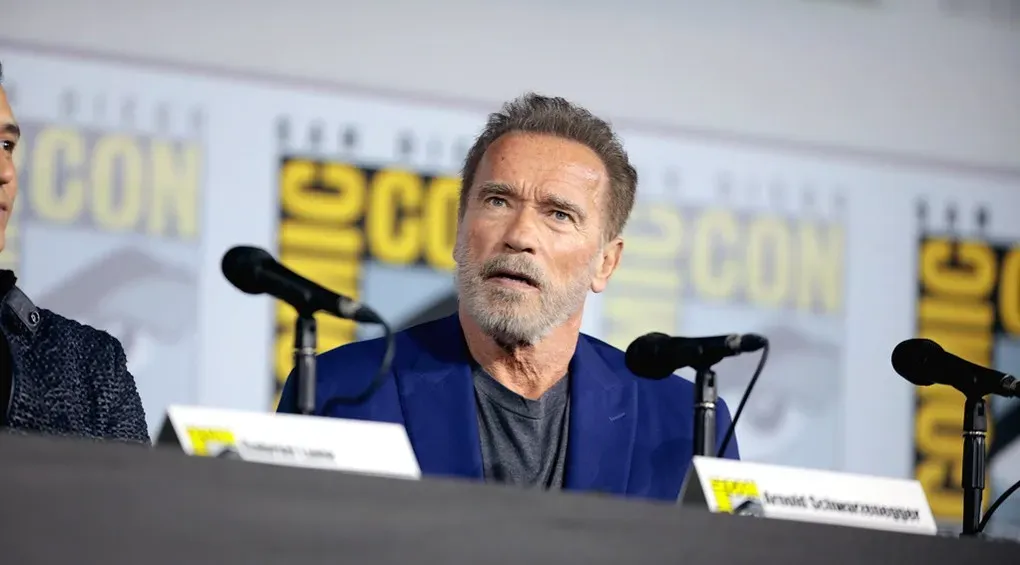
Paul Verhoeven’s adaptation of a Philip K. Dick story imagined video phone calls as a standard way people communicated, complete with screens showing the caller’s face in real time. This was years before consumer video calling existed in any practical form, since bandwidth and camera technology simply were not there yet. The film treated it as an unremarkable background detail rather than a headline feature, which in hindsight makes the guess feel even more casual and accurate.
Video calling is now baked into everyday communication tools like FaceTime, Zoom, and WhatsApp, used by people of all ages for both work and personal life. The film also touched on self driving vehicle concepts and automated security scanning at transit points, ideas that have since become active areas of transportation and airport security technology. None of this was the film’s main focus, which is part of why the accuracy stands out so clearly now.
7. Her (2013)

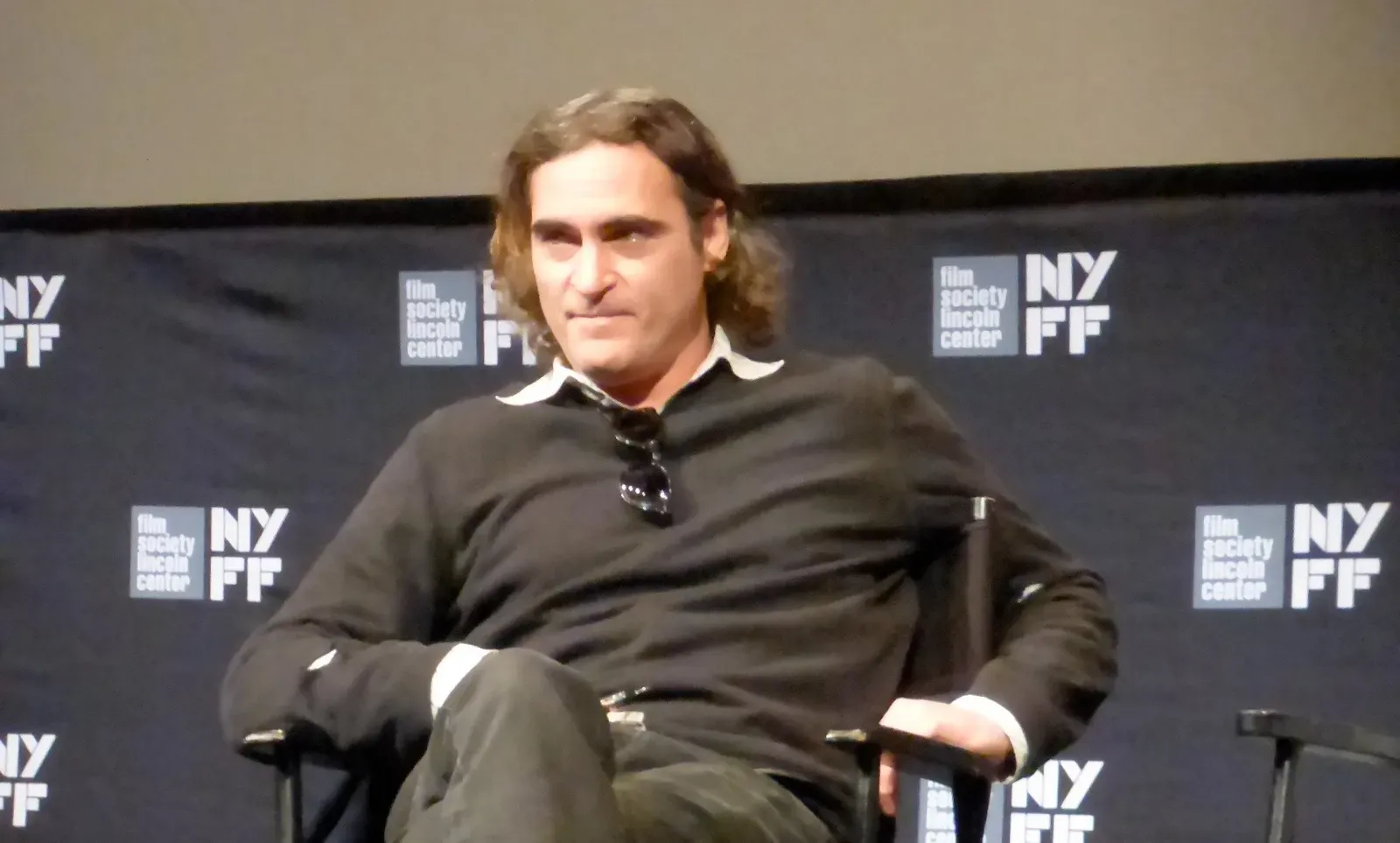
Spike Jonze’s quiet drama about a man who falls in love with an artificial intelligence operating system felt emotionally plausible but technologically distant when it premiered. Voice assistants existed, but they were clunky and transactional rather than conversational or emotionally responsive. The idea of forming a genuine relationship with software seemed more like a thought experiment about loneliness than a realistic near term possibility.
The rapid rise of conversational AI chatbots since 2022 has closed that gap faster than almost anyone anticipated. Millions of people now use AI companion apps for daily conversation, emotional support, and even romantic role play, mirroring the film’s central premise with uncomfortable precision. Researchers and mental health professionals have openly debated the risks of AI companionship in ways that directly echo the questions Jonze’s film raised more than a decade earlier.
8. Wall-E (2008)

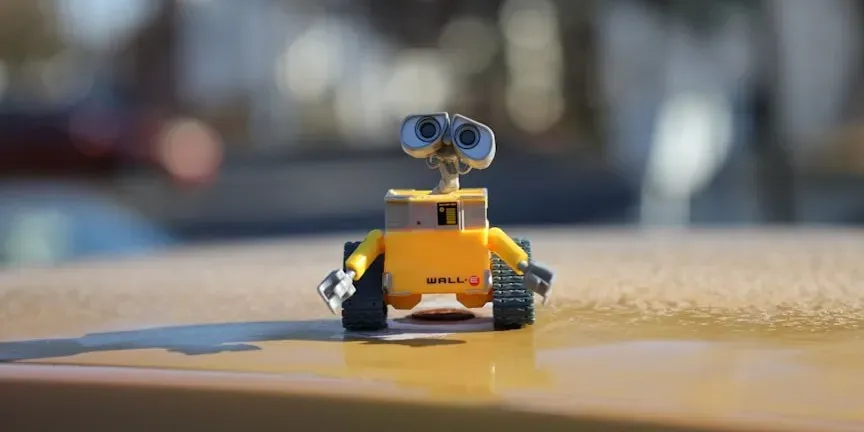
Pixar’s animated feature depicted a future humanity living aboard a spaceship, physically softened by decades of convenience, reclining in hover chairs while screens handle nearly every task and interaction. Food arrives through tubes, communication happens through floating displays, and physical movement becomes almost unnecessary. At the time, the imagery read as a broad cautionary exaggeration rather than a specific prediction.
Concerns about sedentary lifestyles driven by screens, convenience delivery services, and constant digital distraction have only grown louder since the film’s release. Public health officials in multiple countries have flagged rising inactivity linked to screen dependent habits, a trend the film compressed into a single visual gag involving hover chairs and nonstop entertainment feeds. The film’s environmental subplot, involving a planet abandoned due to waste and pollution, also lines up uncomfortably well with ongoing conversations about consumption and climate strain.
These eight films were not built as forecasting tools, and most of their creators were simply trying to tell a good story rather than predict specific gadgets or social habits. Still, the overlap between fiction and reality in each case is well documented rather than coincidental guesswork dressed up after the fact. Some, like Minority Report, drew on actual research from scientists and engineers thinking seriously about the coming decades. Others, like Total Recall or Her, got there through instinct and careful attention to where technology and human behavior seemed to be drifting.