1. Great Expectations by Charles Dickens

Dickens originally wrote a bittersweet, ambiguous conclusion where Pip and Estella meet again but do not end up together, reflecting the novel’s darker themes about class and self-deception. His friend and fellow novelist Edward Bulwer-Lytton convinced him the ending was too bleak for Victorian readers, so Dickens rewrote it into a softer, more hopeful version implying a possible romantic future for the pair.
Both versions have been published over the years, and scholars still argue about which one better serves the story Dickens actually set out to tell. The revised ending is the one most editions use today, though many critics consider it a compromise that dulls the novel’s more honest, melancholic edge.
2. 1984 by George Orwell
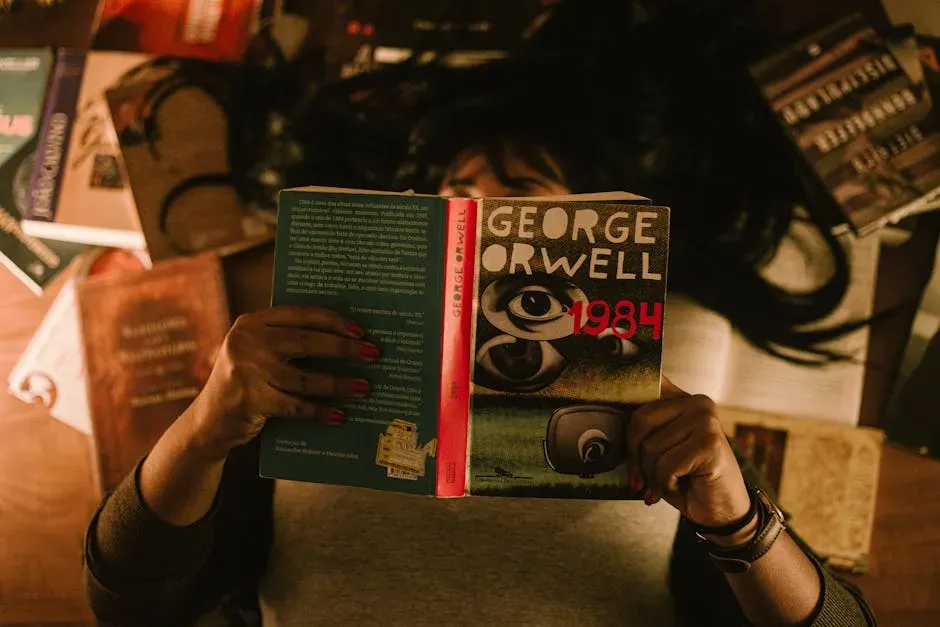
Winston Smith’s final capitulation, betraying Julia and declaring his love for Big Brother, remains one of the bleakest endings in twentieth century fiction. There is no rebellion, no last minute rescue, just total psychological surrender dressed up as peace.
Readers have debated for generations whether Orwell intended this as pure despair or as a warning meant to provoke resistance in the real world outside the page. The appendix on Newspeak, written in the past tense, has even fueled theories that the Party eventually fell, though Orwell never confirmed this reading.
3. The Handmaid’s Tale by Margaret Atwood
Offred’s fate is left deliberately unresolved as she steps into a van that could be carrying her to freedom or to execution. Atwood then adds the Historical Notes section, a mock academic symposium set centuries later that treats Gilead as a closed historical episode.
This framing device has divided readers, some finding it a clever way to suggest Gilead eventually falls, others feeling it undercuts the emotional urgency of Offred’s story by distancing the reader from her fate. The 2019 sequel The Testaments answered some questions, but the original ending’s ambiguity still generates classroom debate.
4. Lolita by Vladimir Nabokov
Humbert Humbert’s confession ends with him imprisoned, dying, and asking for the book to be published only after Lolita’s own death, a final manipulation from an unreliable narrator readers have spent seventy years trying to fully untangle. The novel never lets readers settle comfortably into judgment or sympathy.
Critics continue to disagree about whether the ending offers any genuine moral reckoning or whether Humbert’s eloquence simply seduces the reader one last time. This tension between beautiful prose and monstrous content is precisely what keeps Lolita on university syllabi and banned book lists alike.
5. The Road by Cormac McCarthy
After following a father and son through a scorched, cannibal filled wasteland, McCarthy ends the novel with the boy being taken in by a stranger’s family, a moment of tentative hope after so much devastation. Some readers find this conclusion earned and necessary, a small flame against overwhelming darkness.
Others argue it feels tonally inconsistent with everything that came before, almost too gentle for a book built on relentless bleakness. The closing paragraph about trout swimming in mountain streams before the world’s ruin has also been read as either a hopeful coda or a mournful elegy, depending on who you ask.
6. Atonement by Ian McEwan
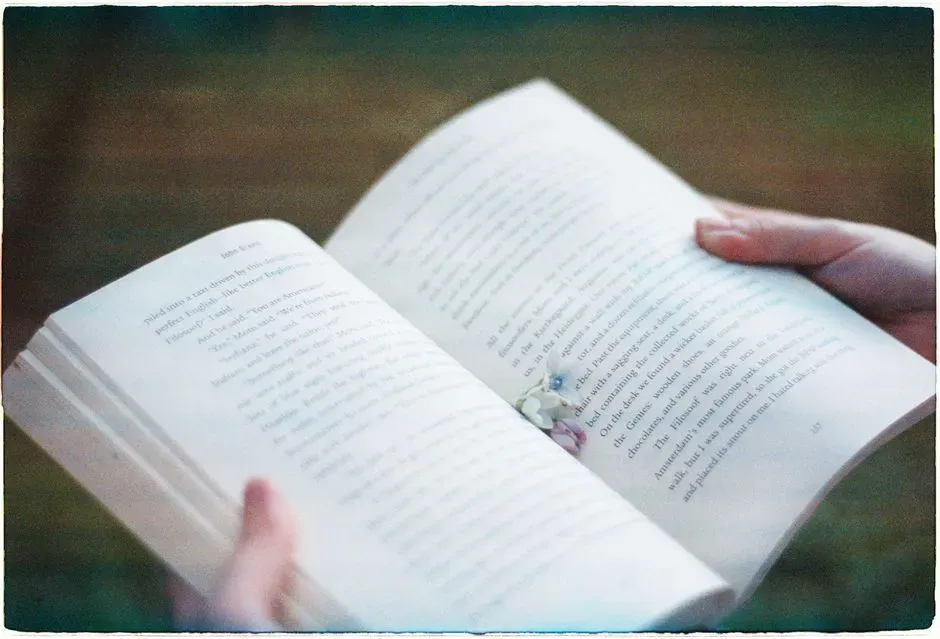
Briony Tallis reveals in the final section that the reconciliation readers just witnessed between Robbie and Cecilia never actually happened, both having died separately during the war, and that she invented their happy ending as a form of fictional atonement. This metafictional twist retroactively changes the meaning of everything the reader believed to be true.
The ending raises uncomfortable questions about whether fiction can genuinely atone for real harm or whether it is simply another act of authorial control, this time over the dead. McEwan has said he wanted readers to feel the loss more acutely because of the false comfort offered first, a technique that still splits opinion on whether it is emotionally devastating or manipulative.
7. Beloved by Toni Morrison
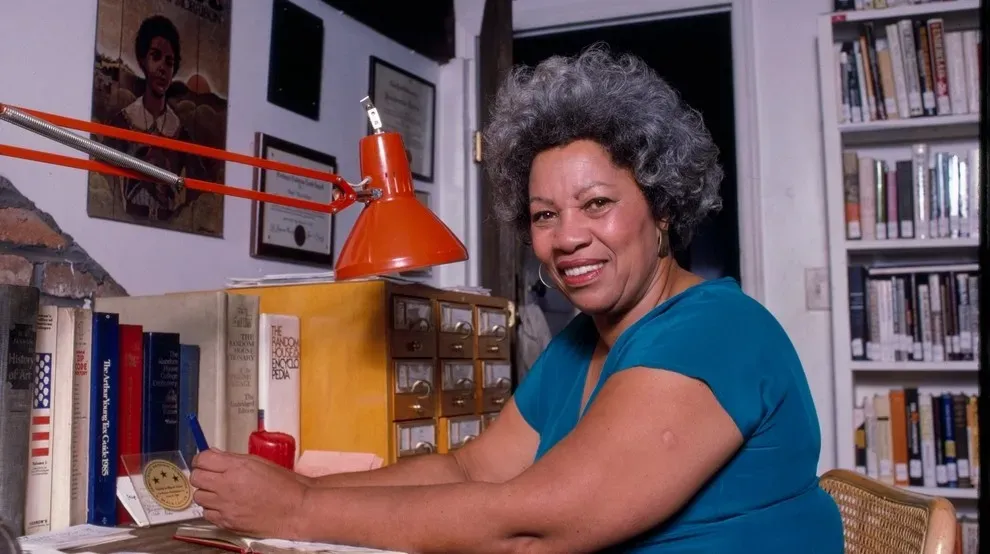
The ghost of Beloved simply vanishes from the story, leaving Sethe and the Cincinnati community to slowly, uncertainly rebuild without fully explaining what happened or what it all meant. Morrison resists tidy closure on purpose, mirroring how trauma from slavery cannot simply be resolved or exorcised in one dramatic scene.
The novel’s final refrain, repeating that this is “not a story to pass on,” has itself become a point of critical debate, with scholars disagreeing over whether it means the story should be forgotten or that it must be remembered precisely because it is so painful. That deliberate ambiguity is central to why Beloved remains one of the most studied American novels of the past several decades.
8. The Great Gatsby by F. Scott Fitzgerald

Gatsby dies alone and largely unmourned, his lavish parties forgotten, while Daisy and Tom simply retreat back into their careless wealth without consequence. Nick’s closing meditation on boats against the current has become one of the most quoted passages in American literature, yet its meaning is still contested.
Some read it as a hopeful statement about persistent striving, others as a bitter acknowledgment that the past always wins and the American dream is fundamentally a illusion. The novel’s commercial failure during Fitzgerald’s own lifetime, only later reassessed as a classic, adds another layer to how differently the ending has been received across generations.
9. No Country for Old Men by Cormac McCarthy
Llewelyn Moss, the character readers have been rooting for through the entire chase narrative, is killed off screen, and the psychopathic Anton Chigurh survives largely unpunished and simply walks away from a car accident near the end. Sheriff Bell’s closing monologues about dreams and his father offer no resolution to the violence, only weary reflection.
Many readers find this anticlimactic structure frustrating precisely because it denies the genre satisfaction a thriller typically promises. The Coen brothers’ 2007 film adaptation preserved this same ending faithfully, which reignited the controversy for a whole new audience of viewers unfamiliar with McCarthy’s source novel.
10. My Brilliant Friend series by Elena Ferrante

The four Neapolitan Novels conclude with Lila’s mysterious, unexplained disappearance, an echo of the dolls both girls lost as children at the very start of the story decades earlier. Elena, the narrator, is left without answers, writing the entire saga partly as an attempt to understand a friend who may have simply erased herself from the world.
Readers have spent years since the 2015 English publication of the final volume debating what Lila’s vanishing actually means, whether it represents freedom, defeat, or something entirely unresolved by design. Ferrante’s continued anonymity as an author only deepens the sense that some mysteries in this story were never meant to be fully solved.
11. Room by Emma Donoghue

After escaping years of captivity, five year old Jack asks to visit Room one last time before leaving it behind for good, a request that surprised many readers expecting a clean break from the site of such trauma. The novel ends on this quiet, ambivalent note rather than a clear celebration of freedom.
Critics have debated whether this final visit represents healthy closure and grief processing for a child, or an uncomfortably nostalgic gesture toward a place of genuine horror. Donoghue based elements of the novel on real captivity cases, which added weight to how readers interpreted the psychological realism of Jack’s attachment to Room.
12. Gone Girl by Gillian Flynn

Amy Dunne frames her husband, fakes her own disappearance, murders a former partner, and ultimately returns home pregnant, trapping Nick in a marriage built entirely on manipulation and fear. Rather than facing justice, Amy essentially wins, and the novel ends with the two of them locked together in a toxic, performative partnership.
This ending famously divided readers upon the book’s 2012 release, with some praising Flynn for subverting expectations of a moralizing thriller resolution, and others feeling cheated that the villain faces no real consequences. The 2014 film adaptation kept this same controversial conclusion largely intact, which only extended the argument to millions of new viewers who had not read the source novel.
Endings like these tend to stick with readers precisely because they refuse easy comfort. Whether through ambiguity, moral discomfort, or a flat rejection of genre expectation, each of these novels chose to leave something unresolved rather than tie a neat bow on the story. That refusal, more than plot twists or shock value alone, is usually what keeps people arguing about a book long after they have finished reading it.