Harrison Ford was not even supposed to audition for Han Solo

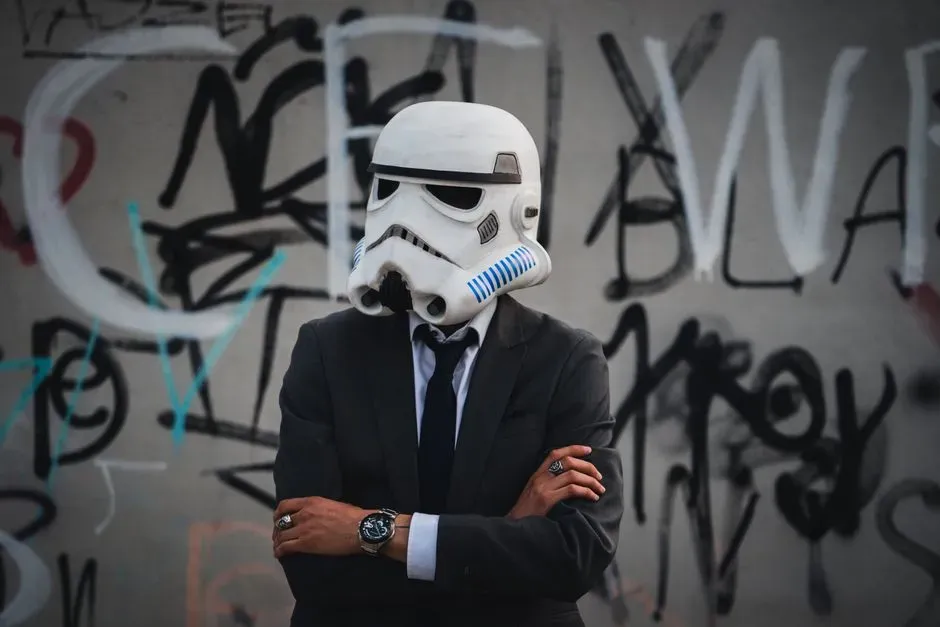
George Lucas had a rule while casting Star Wars: no actors from American Graffiti, his previous film, would be considered for the new project. According to IMDb, Lucas did not want to use any familiar faces that he previously worked with for American Graffiti. That meant Harrison Ford, who had played Bob Falfa in that earlier film, was technically out of the running before anything even started.
Lucas only brought Ford in to read lines opposite other actors auditioning for Han, Luke, and Leia, not to try out himself. So, Ford was not allowed to audition, but Lucas did ask him to read lines with other actors who were auditioning for Star Wars. While reading lines, Lucas realized that Ford was a better actor than everyone else auditioning, so he allowed Ford to play the part. It’s a strange twist that the actor now most associated with Han Solo almost never got a real shot at him.
Leonardo DiCaprio nearly sank his own Titanic audition

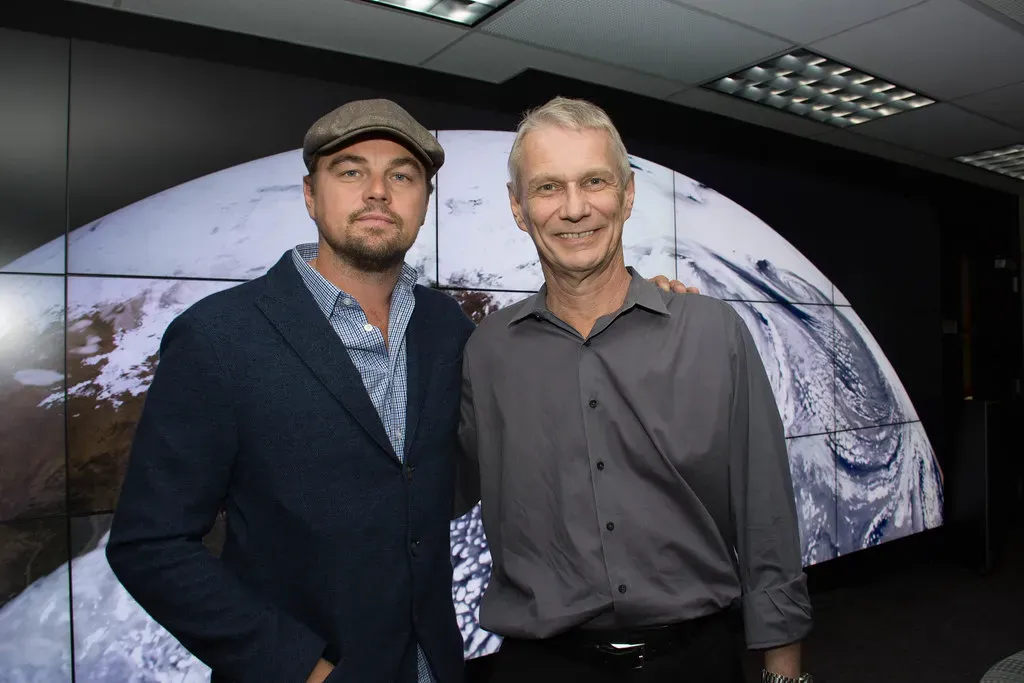
Long before Jack Dawson became one of the most recognized characters in movie history, DiCaprio’s path to the role hit a rough patch during his second audition. James Cameron said the star was “so negative” during his second audition. That is not the kind of feedback most actors want to hear from a director weighing a role of that size.
Part of the friction reportedly came from DiCaprio’s reluctance to fully commit to the reading process. Cameron said the Academy Award-winning actor initially refused to read lines with Kate Winslet. The film went on to become a cultural phenomenon, earning 11 Oscars in 1998 out of the 14 it was nominated for, as well as raking in $2.208 billion over the years, which makes the shaky audition feel almost unthinkable in hindsight.
Robert Downey Jr. had to fight the studio itself

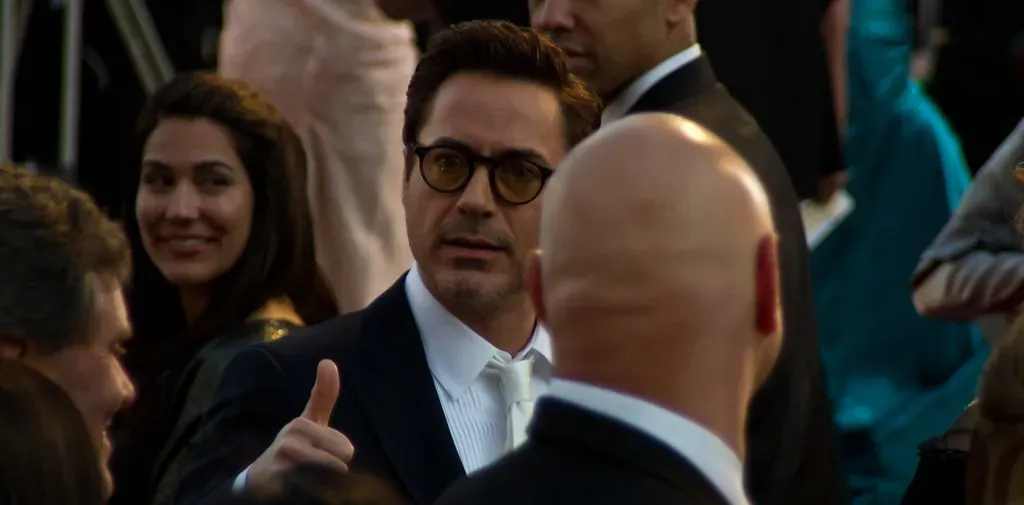
Before Robert Downey Jr. became synonymous with Tony Stark, Marvel’s own leadership was hesitant to give him the part at all. According to Marvel boss Kevin Feige, studio executives did not want Downey Jr., who many viewed as a reformed loose cannon, at the helm of a franchise with years of films ahead. His past struggles with substance abuse and legal trouble made him a financial risk in the eyes of people writing the checks.
It took direct advocacy from Jon Favreau and Feige to even get Downey Jr. in front of a camera for consideration. Luckily for the Oscar-nominated actor, Feige and Iron Man director, Jon Favreau, advocated for him heavily and convinced studio executives to at least have Downey Jr. do a screen test for the role. Once that test happened, the doubts mostly evaporated on the spot, and a franchise that would eventually define modern blockbuster filmmaking got its center.
Sigourney Weaver was competing against Meryl Streep for Ripley

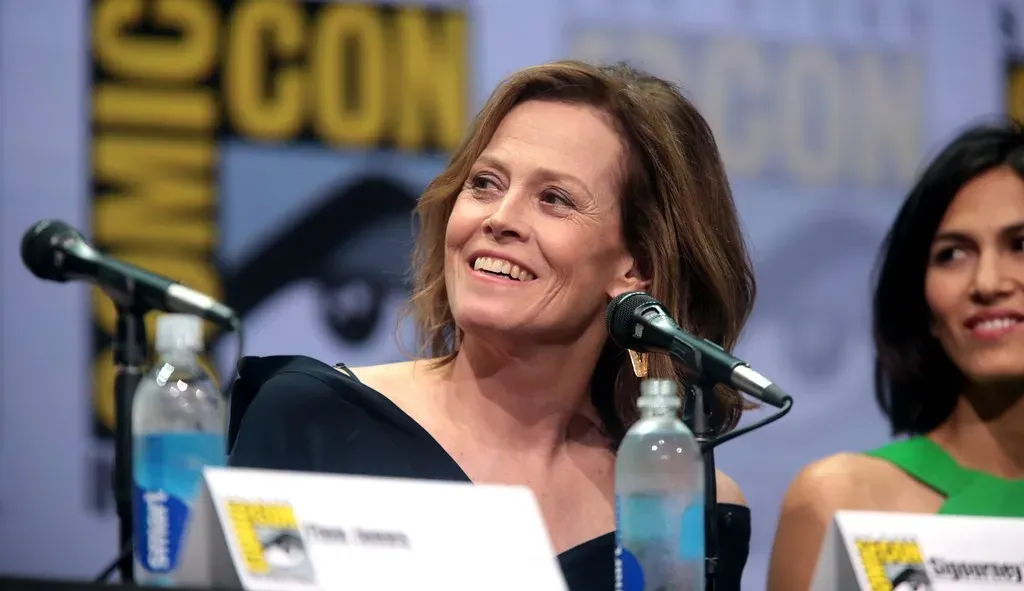
Sigourney Weaver is now inseparable from Ellen Ripley in the Alien franchise, but the role almost went to a very different actress entirely. Weaver wasn’t the first pick to play Ripley in Alien. In fact, at one point in time, it was almost Meryl Streep who took on that part, and was actually the first pick for the role. Had circumstances gone differently, the horror classic could look completely unrecognizable today.
Streep’s path to the role was cut short by personal tragedy rather than a poor performance. Alien’s casting director, Mary Goldberg, suggested both women for the part, with an apparent preference for Streep. But production on Alien was set to begin shortly after the death of John Cazale, Streep’s partner, who’d passed away from lung cancer in March 1978. Weaver’s own audition, by her account, was far from polished. Sigourney Weaver showed up to the audition that changed her life a little late, wearing boots with heels so high she estimates she must have been a “foot taller” than director Ridley Scott.
Al Pacino’s screen tests nearly ended Michael Corleone before he began

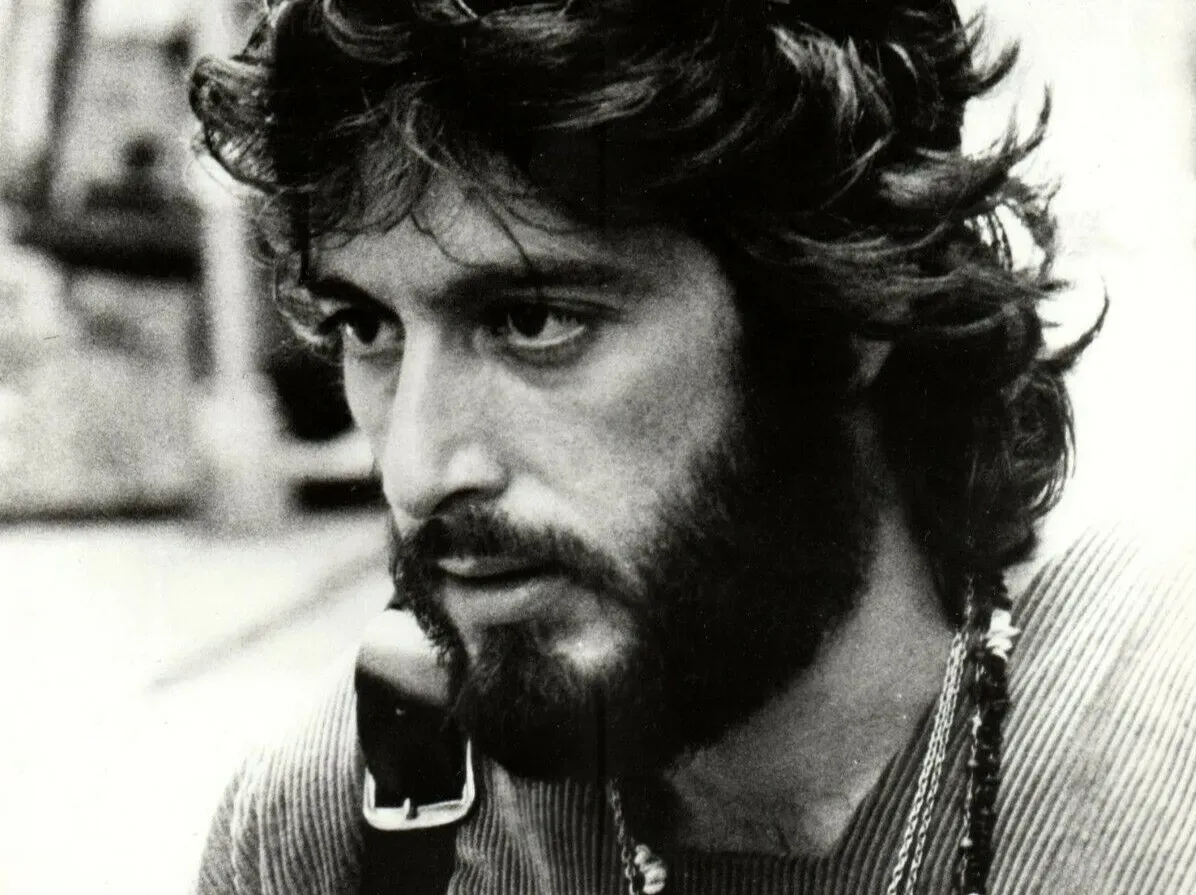
Al Pacino’s casting as Michael Corleone in The Godfather is now considered one of the great acting decisions in film history, yet at the time, Paramount executives were far from convinced. Pacino’s early screen tests were reportedly unremarkable, and studio heads pushed hard for more established, more conventionally leading man type actors for the role. Francis Ford Coppola had to repeatedly defend his choice against a studio that wanted him gone before filming even properly began.
It was only Coppola’s persistence, and his belief that Pacino’s quiet, internal quality was exactly what Michael Corleone required, that kept the actor attached to the project. That gamble paid off in a way few casting decisions ever have, turning Pacino into one of the defining actors of American cinema. The fact that the role almost slipped away during those early tests is a reminder of how close that entire film came to looking completely different.
Sylvester Stallone had to sell more than a performance for Rocky

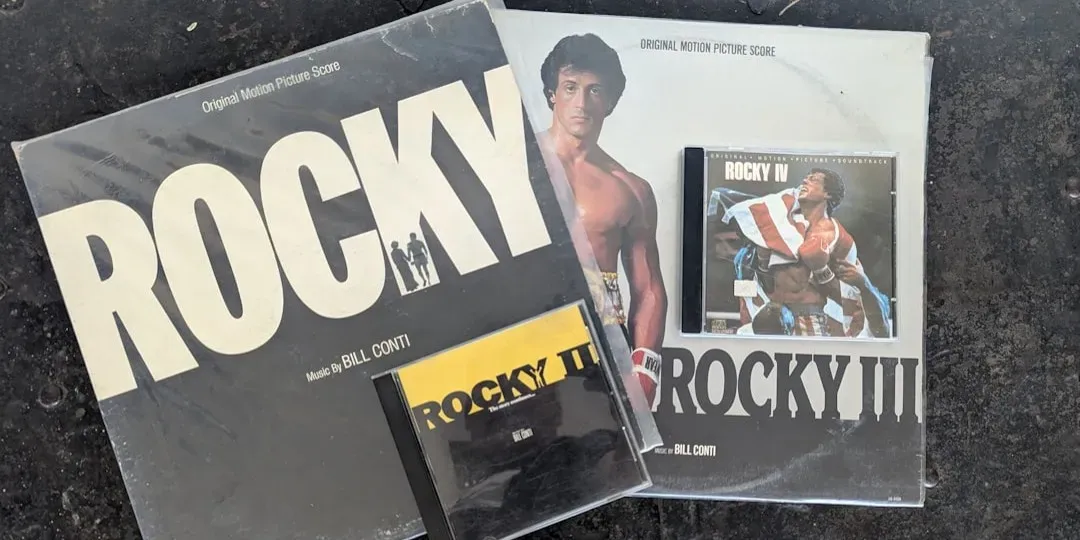
Sylvester Stallone’s path to becoming Rocky Balboa involved more than a strong reading in a casting room. Studios were interested in the script he had written but wanted established stars like Burt Reynolds or Ryan O’Neal in the lead role, not the relatively unknown actor who wrote it. Stallone refused to sell the screenplay unless he was allowed to star in it himself, a bet that easily could have failed and left him without either the script sale or the role.
That refusal to compromise nearly cost him the entire project, since studios could simply have walked away from the deal altogether. Instead, the gamble worked, and Rocky went on to win the Academy Award for Best Picture while making Stallone a star. It remains one of the clearest examples of an actor’s stubbornness during negotiations nearly costing them the very role that would define their career.
Michael J. Fox almost missed Back to the Future entirely

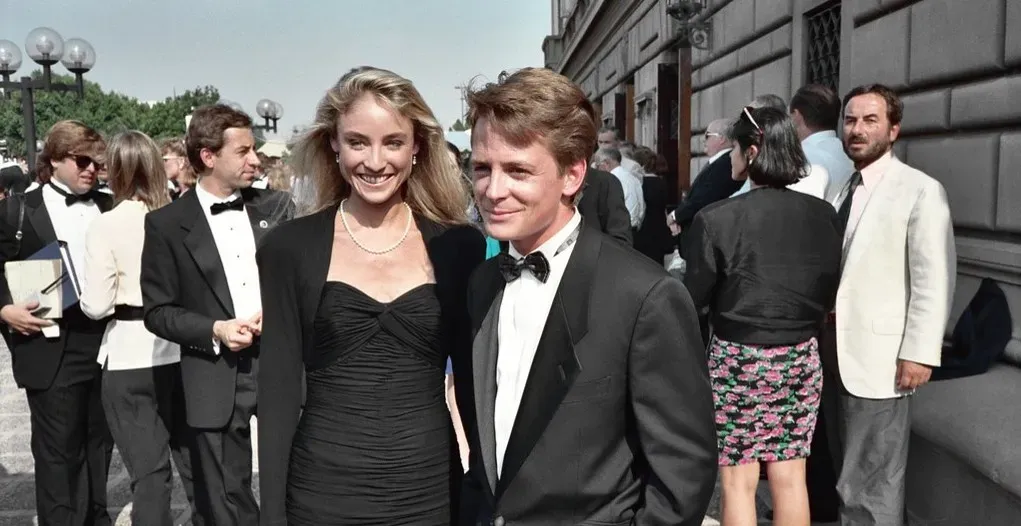
Marty McFly is now inseparable from Michael J. Fox, but he was not the first choice, nor was he immediately available when producers wanted him. Fox was busy filming the sitcom Family Ties, and his schedule conflict led director Robert Zemeckis to initially cast Eric Stoltz in the role instead. Production actually began with Stoltz in place, meaning Fox’s most famous role almost went entirely to someone else before a single frame with him was shot.
Weeks into filming, Zemeckis and producer Steven Spielberg felt the tone was not landing correctly and made the difficult decision to recast the part. Fox’s schedule was rearranged so he could film both projects simultaneously, often working through the night to make it happen. The swap turned out to be one of the more consequential recasting decisions in blockbuster history, but it easily could have gone the other way had timing worked out just slightly differently.
Eddie Redmayne’s audition instincts almost worked against him elsewhere

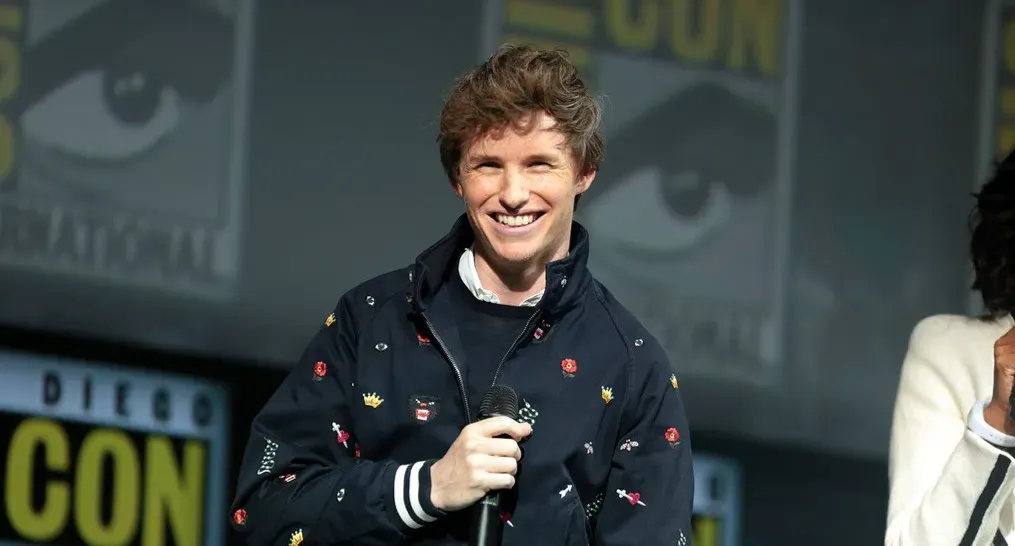
Eddie Redmayne’s audition history shows how a single strange choice in the room can nearly derail a role entirely, even for an actor who eventually built an acclaimed career. While promoting the film Fantastic Beasts and Where to Find Them, the actor recalled a bad audition story for the part of Kylo Ren in Star Wars, explaining that with top secret films they give you a scene from Pride and Prejudice but tell you you’re auditioning for the villain. His instinct was to improvise a voice that clearly did not land with the casting team.
That same pattern reportedly repeated itself in other auditions, where Redmayne leaned on vocal impressions of established performances instead of finding his own read. After about 10 minutes of persisting with this creative choice, the casting director asked Redmayne, “You got anything else?” This was not the first time Redmayne would make this gaffe, as while auditioning for The Hobbit’s Bilbo Baggins, he again emulated another actor’s performance, this time copying Ian Holm’s. Redmayne eventually found the role that made him a household name elsewhere, but these stories are a useful reminder that even talented actors can badly misjudge a room.
Nicholas Hoult turned a losing streak into an unexpected win

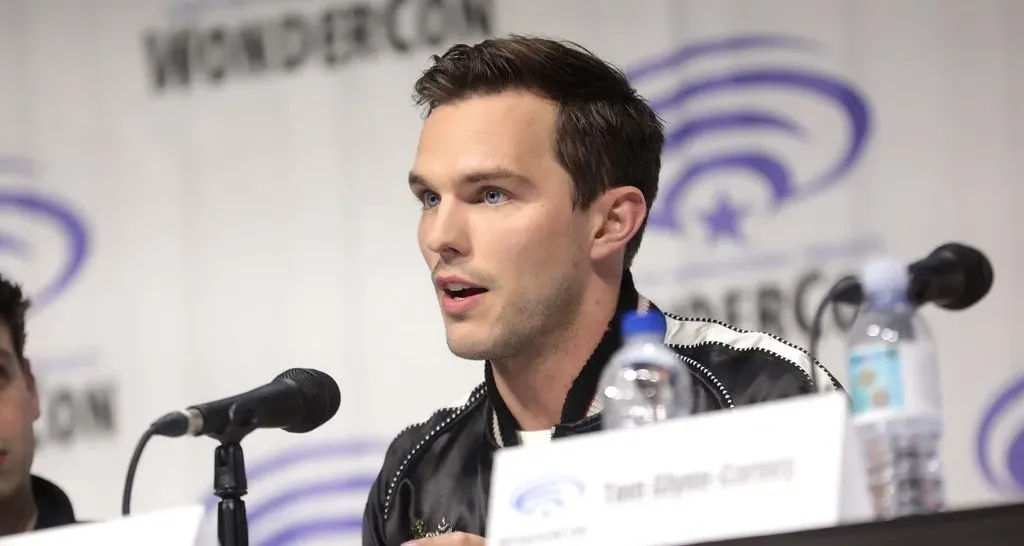
Nicholas Hoult’s audition history includes a string of near misses for some of the biggest roles in modern blockbuster filmmaking. Nicholas Hoult read for both Batman and Superman but didn’t get either gig, he ended up as Lex Luthor instead. Losing out on two of the most coveted roles in comic book cinema back to back would discourage most actors from continuing to chase similar parts.
His audition for Prince Caspian in the Narnia franchise did not go much better and became something of a personal low point for him. He also fumbled the role of Prince Caspian in The Chronicles of Narnia, Prince Caspian, a story he later called hilarious even though he didn’t land the role. Hoult told Entertainment Weekly in 2013 that he considers Prince Caspian to be his worst audition ever. Hoult’s career recovered well beyond that stretch of misses, proving that a rough run of auditions does not have to define an actor’s trajectory.
The takeaway from these near misses
What these stories share is not talent failing under pressure, but rather how thin the margin can be between an actor landing the role that defines them and losing it entirely. A studio’s hesitation, a scheduling conflict, or a single off day in the audition room could have easily rewritten decades of film history. It is worth remembering, the next time a performance feels inevitable on screen, that it very often was not inevitable at all.
The One Audition That Almost Cost an Actor Their Most Iconic Role