Every so often, a film’s most famous line was never actually written down. It slipped out during a take, survived the editing room by accident or instinct, and ended up outliving the movie itself in pop culture. Scripts get polished for months, sometimes years, yet the words people quote decades later often came from an actor thinking on their feet under pressure.
What follows is a look at eight cases where improvisation, not careful screenwriting, produced the line audiences remember best. Some came from real frustration on set. Others came from an actor drawing on something entirely outside the story. Together they say something about how unpredictable movie magic can be.
Jaws and the boat that was never big enough

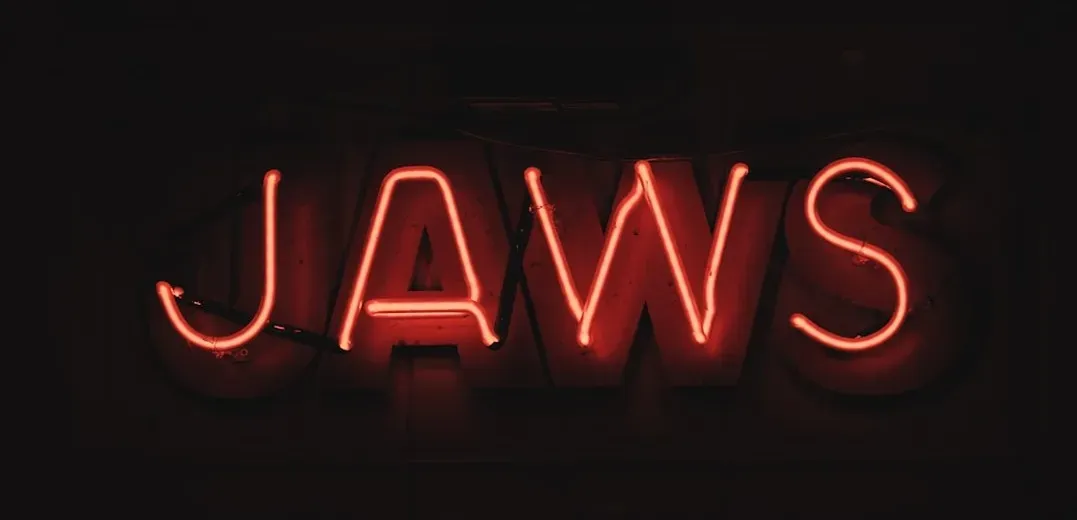
Roy Scheider’s delivery of “You’re gonna need a bigger boat” is one of the most quoted lines in film history, yet it was nowhere in the actual script. The phrase actually started as a running joke among the cast and crew, born out of a very real production headache involving an undersized support boat nicknamed the “S.S. Garage Sale.”
The crew often complained that the barge and its support boat were not big enough for the equipment, and after a while it became natural to blame the lack of space for everything that went wrong. The phrase became such a common catchphrase on set that Scheider started improvising it into various scenes throughout filming. Only one version made the final cut, but it landed at exactly the right moment, right after Brody’s first full view of the shark, and it stuck.
The Shining and a line Stanley Kubrick did not fully understand

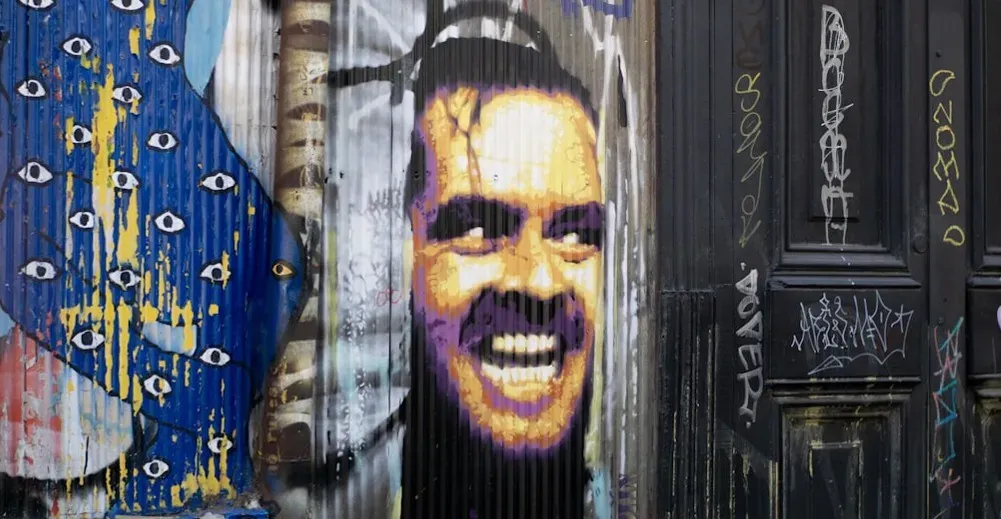
Jack Nicholson’s axe-through-the-door moment in The Shining produced one of horror’s most recognizable quotes, and the quip wasn’t in the script. Nicholson improvised it while filming, and Kubrick liked it enough to keep it in the film. The line’s origin is almost cheerful compared to how menacing it sounds on screen.
Nicholson borrowed the line from Johnny Carson’s Tonight Show, where Ed McMahon would introduce the show’s guests, ending with “And here’s Johnny!” Kubrick reportedly kept the take partly because he had spent years living in England and did not immediately recognize the American television reference. The mismatch between the actor’s playful intent and the character’s madness is part of why it still unsettles audiences today.
Taxi Driver and a mirror that was never in the pages

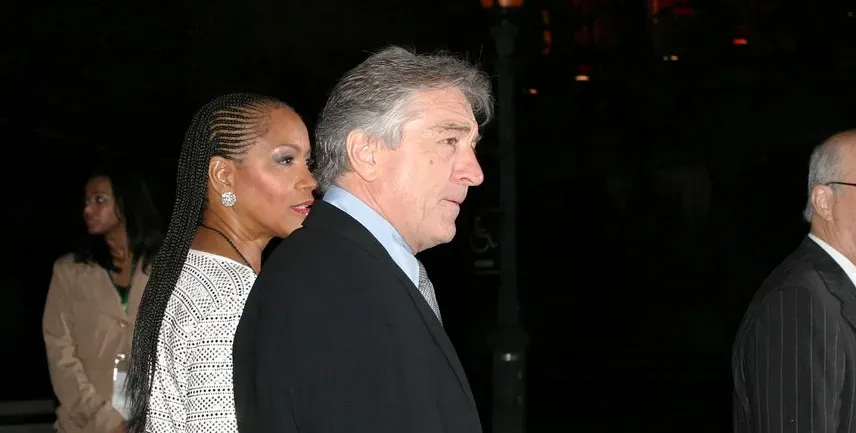
Robert De Niro’s “You talkin’ to me?” is arguably the single most imitated line in American cinema, and Martin Scorsese himself has confirmed it did not come from the page. De Niro improvised his famous line from Taxi Driver, and as Scorsese put it, “That wasn’t in the script, it came from him.”
The script simply noted that Travis talks to himself in the mirror, leaving the specifics entirely open. De Niro had recently seen a Bruce Springsteen concert, where the singer reportedly feigned humility and said, “You talkin’ to me?” when the crowd called out his name. Scorsese has said the production was behind schedule and under pressure from producers at the time, which only adds to how remarkable it is that the scene became the film’s defining image.
Midnight Cowboy and a cab that would not stop

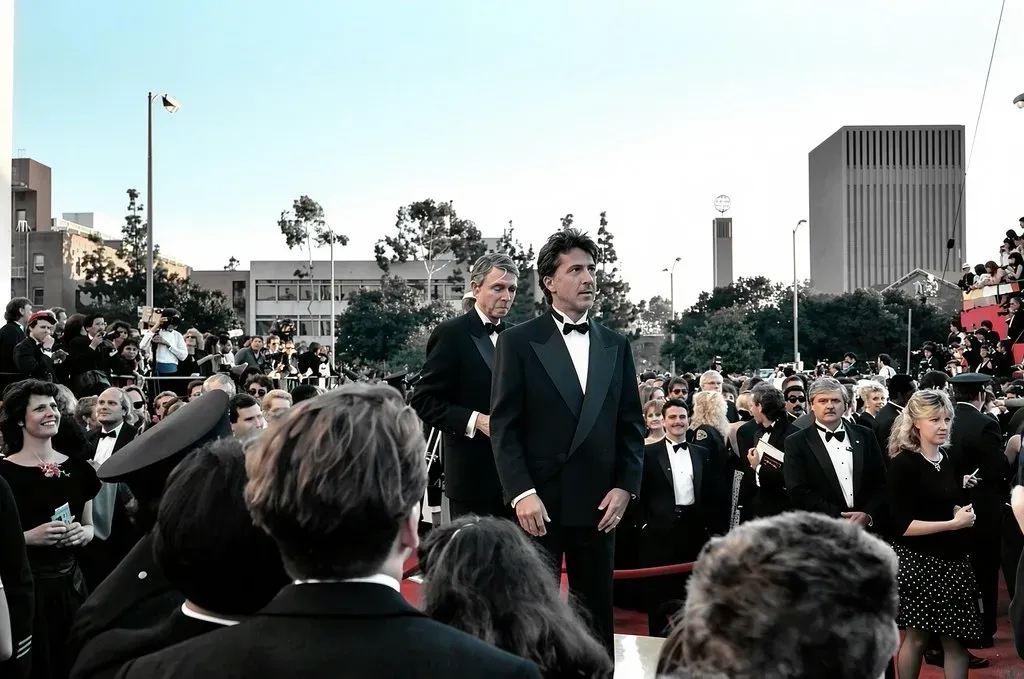
Dustin Hoffman’s “I’m walking here!” is one of the most famous ad-libs in film history, though its origin involves a genuine near-accident rather than a planned bit of business. Jon Voight has recalled how Hoffman’s iconic scene was improvised with a real New York City cab interaction during filming on the city’s crowded streets.
According to Hoffman’s own retelling, a real taxi nearly struck him and Voight while they were mid-take, and staying in character in the moment produced the now legendary line. The line doesn’t appear in the final screenplay, and both lead actors claim it was improvised, with someone tasked with holding back traffic so their conversation could flow unhindered. Director John Schlesinger loved the moment enough that he reportedly asked Hoffman to redo it a few more times to be sure they had it on film.
Goodfellas and a joke that was not really a joke

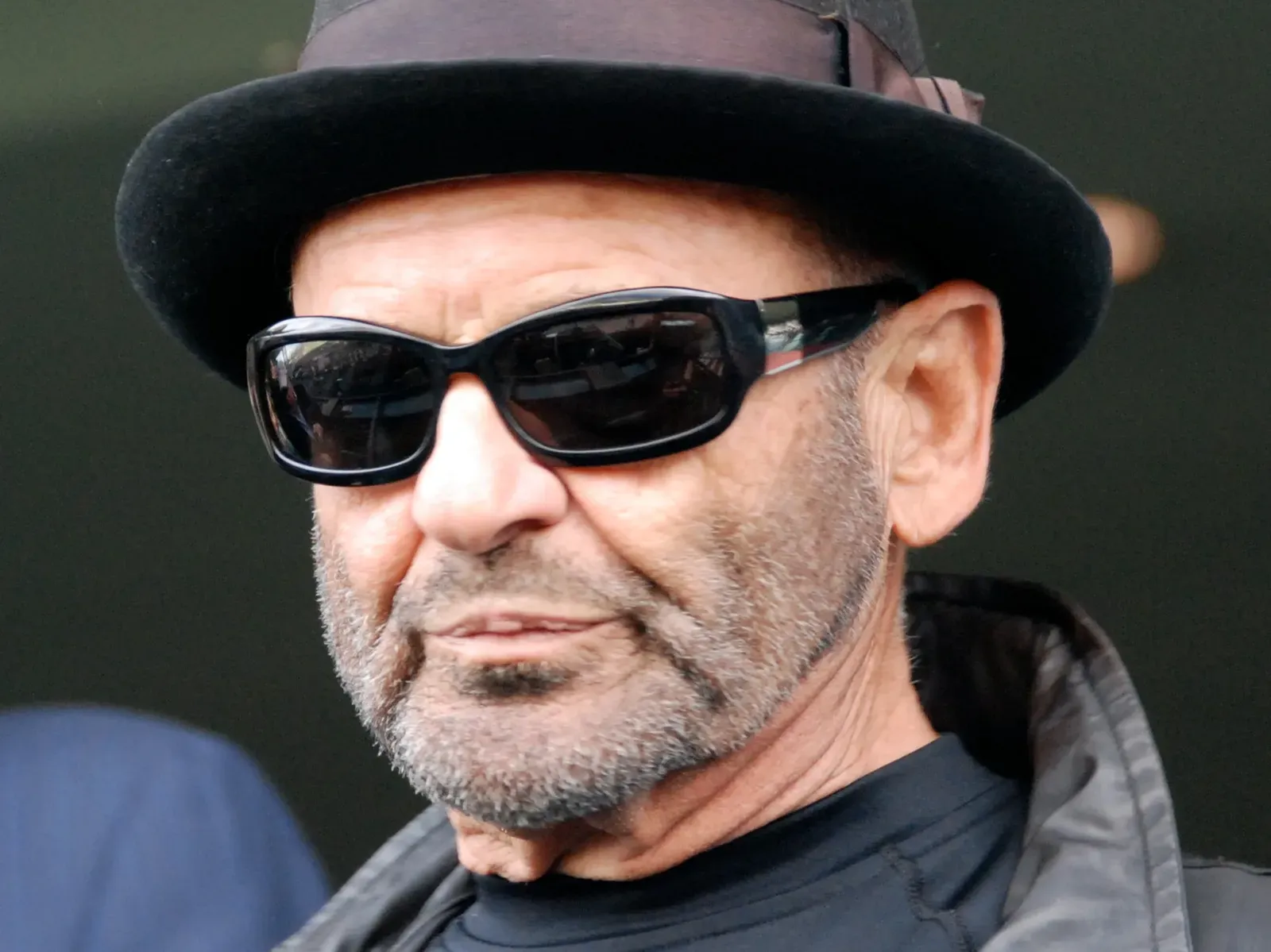
Joe Pesci’s chilling “Funny how? Funny like I’m a clown?” exchange with Ray Liotta’s character has become one of the most tense scenes in gangster cinema, and it has long been reported that Pesci built the bit from a real encounter he once had, bringing it to Martin Scorsese during rehearsal rather than reading it off a page. The improvisation caught Liotta genuinely off guard, since he was not told in advance how far Pesci intended to push it.
That uncertainty is part of what makes the scene so effective. The other actors at the table were reacting to something they could not fully predict, which gave their nervous laughter and confusion an authenticity that a fully blocked, pre-written exchange rarely produces. The moment has since become a shorthand reference for any conversation that suddenly turns unexpectedly threatening.
Dog Day Afternoon and a chant that echoed a real riot

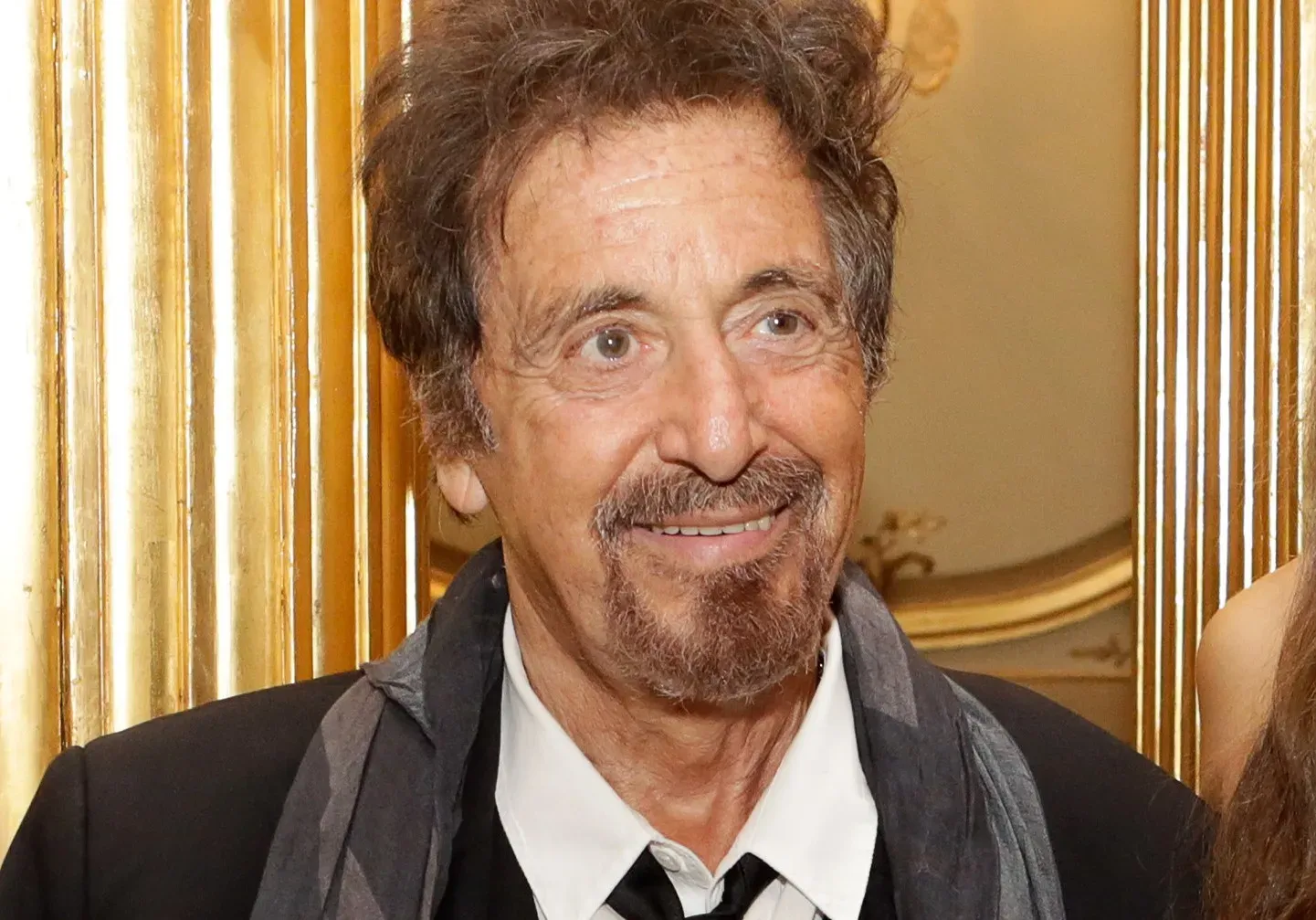
Al Pacino’s shout of “Attica! Attica!” during a hostage standoff is one of the most quoted moments from 1970s American cinema, and it was reportedly born from director Sidney Lumet encouraging Pacino to improvise in the moment rather than stick rigidly to the page. The reference points to the 1971 Attica prison uprising, a genuinely raw piece of recent American history at the time the film was made.
Pacino’s character uses the chant to rally the crowd outside the bank, turning a tense hostage situation into something closer to a public spectacle. The line worked because it tapped into something the audience of that era immediately recognized, giving the scene a documentary-like edge that scripted dialogue alone would have struggled to match.
Anchorman and a lamp that made no sense

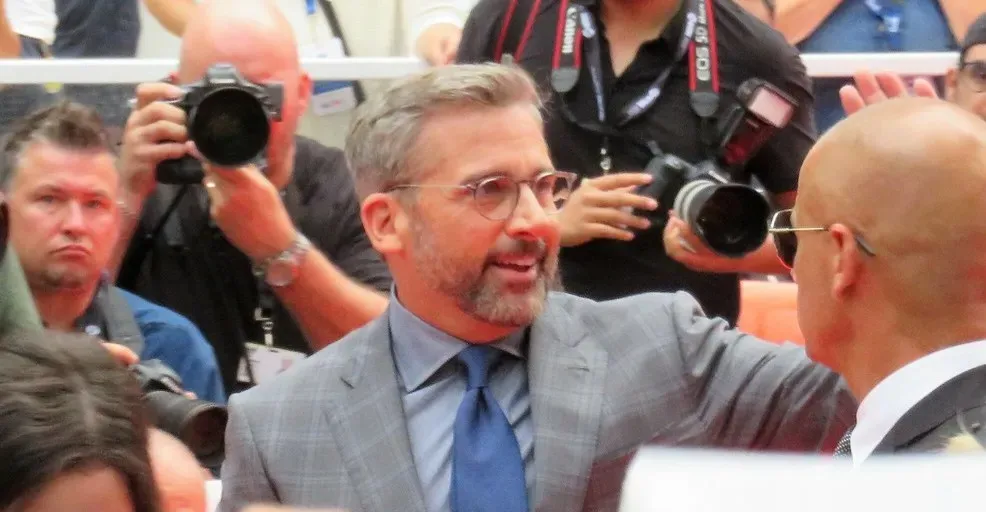
Steve Carell’s declaration “I love lamp” during Anchorman’s news team introduction scene has become one of the most repeated lines from Will Ferrell’s early 2000s comedies. The scene was largely a product of the film’s loose, improvisational shooting style, where director Adam McKay let his cast riff freely and then pieced together the funniest takes in the edit.
The line’s appeal lies partly in how little sense it makes. Carell’s character blurts it out with total sincerity in the middle of an unrelated exchange, and that randomness is exactly why audiences latched onto it. It has since become a stand in for any moment of confident, confused nonsense.
Caddyshack and Bill Murray’s imaginary tournament

Bill Murray’s rambling monologue as groundskeeper Carl Spackler, describing an imagined golf triumph while trimming flowers with a hedge clipper, is one of the most quoted comedic bits from the film. The scene is widely understood to have been built largely on the spot, with Murray given loose direction and space to invent Carl’s daydream in the moment rather than following tightly scripted dialogue.
The result feels less like a joke being delivered and more like a character genuinely losing himself in his own fantasy. That looseness is part of why the scene has aged so well, since it plays less like a punchline and more like a small, strange character study that happened to be very funny.
Final thoughts

What connects all eight of these moments is not luck exactly, but a kind of openness. Directors like Spielberg, Kubrick, Scorsese, Lumet, and Schlesinger left just enough room for their actors to step outside the page, and in each case that space produced something the writing alone had not quite reached.
It is worth remembering that most improvisation never makes it past the cutting room floor. These lines survived because they fit the scene perfectly once they happened, not because anyone planned for lightning to strike. That unpredictability is part of what keeps film history full of surprises, even in movies audiences have watched dozens of times.
The One Line an Actor Improvised That Became the Movie’s Most Quoted Moment