Looking back at these moments offers a strange kind of comfort for anyone who has ever agonized over a first draft. A song does not need to be perfect out of the gate. It just needs the right person to notice what is missing and have the nerve to fix it.
Bon Jovi and the name that made “Livin’ on a Prayer” universal

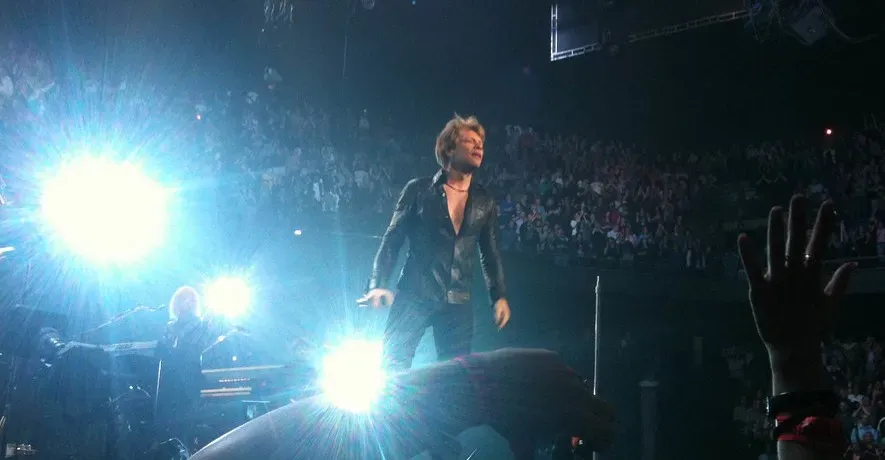
When Jon Bon Jovi, Richie Sambora, and songwriter Desmond Child sat down to write a follow up to “You Give Love a Bad Name,” they built the new song around two working class characters trying to survive hard times together. The song originally started with the names Johnny and Gina, since Johnny was Desmond Child’s given name. It was a personal touch, but it lacked a certain punch.
Swapping “Johnny” for “Tommy” gave the character a scrappier, more blue collar sound that matched the docks and diners of the story. Tommy works on the docks while Gina works in a diner, characters that relate to the working class fans Bon Jovi played to. That small rename helped turn two fictional lovers into stand ins for an entire generation of strivers, and the song became one of the defining rock anthems of the 1980s.
Cyndi Lauper’s gender flip on “Girls Just Want to Have Fun”


Few lyric overhauls are as dramatic as what happened to this song before Cyndi Lauper ever touched it. Robert Hazard wrote and recorded the track in 1979 as a minor local hit in Philadelphia. The lyrics were mostly the same as Lauper’s hit version but told from the perspective of a young man trying to find his way in the world.
Lauper did not just cover the song, she rebuilt its point of view from the ground up. They had to make a lot of gender changes, and she took the first verse and second verse and switched them. Hazard himself later recalled one specific swap: he used to say “All my girls are going to walk in the sun,” and her line was “I want to be the one to walk in the sun”. That shift from watching women from the outside to speaking as one of them is widely credited with turning an obscure demo into a feminist anthem and Lauper’s signature hit.
Aretha Franklin spells out respect and rewrites the story

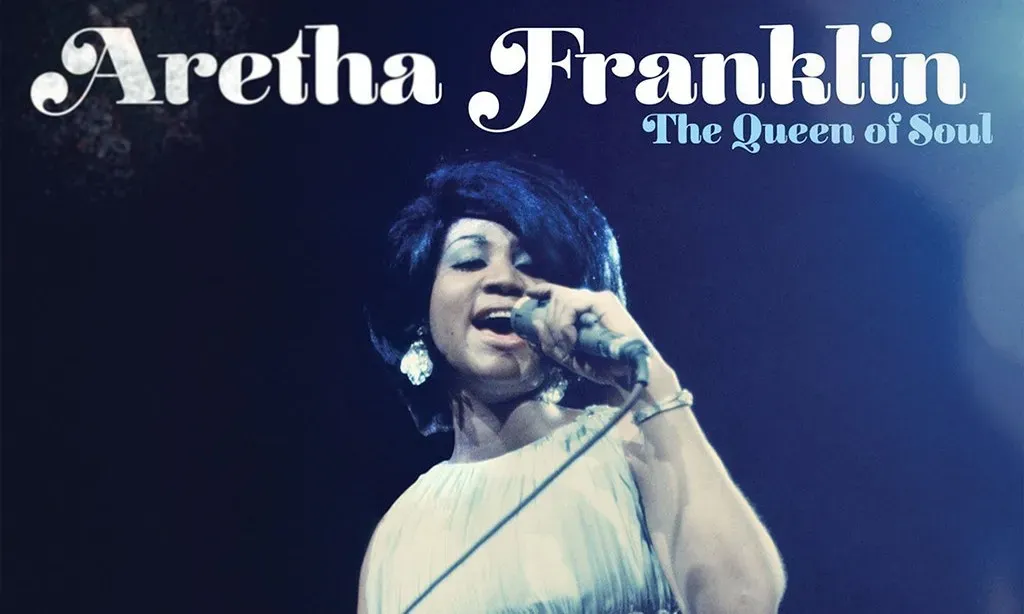
Otis Redding wrote and recorded “Respect” first, and it did reasonably well as a soul single sung from a man’s perspective, asking for appreciation at home after a hard day of work. It was a solid song, not a legendary one. Aretha Franklin’s 1967 version kept the core structure but reworked the lyrics and vocal arrangement in ways that changed the entire meaning of the song.
The most famous addition was the spelled out chorus, R E S P E C T, along with the ad libbed “sock it to me” backing vocals that her sister Carolyn Franklin helped shape. Flipping the narrator from a man demanding respect to a woman insisting on it turned the song into something bigger than either version’s original writer probably imagined. It became an anthem for both civil rights and women’s empowerment, and it remains one of the most covered and referenced songs in American music.
The Beatles almost cut the best line in “Hey Jude”

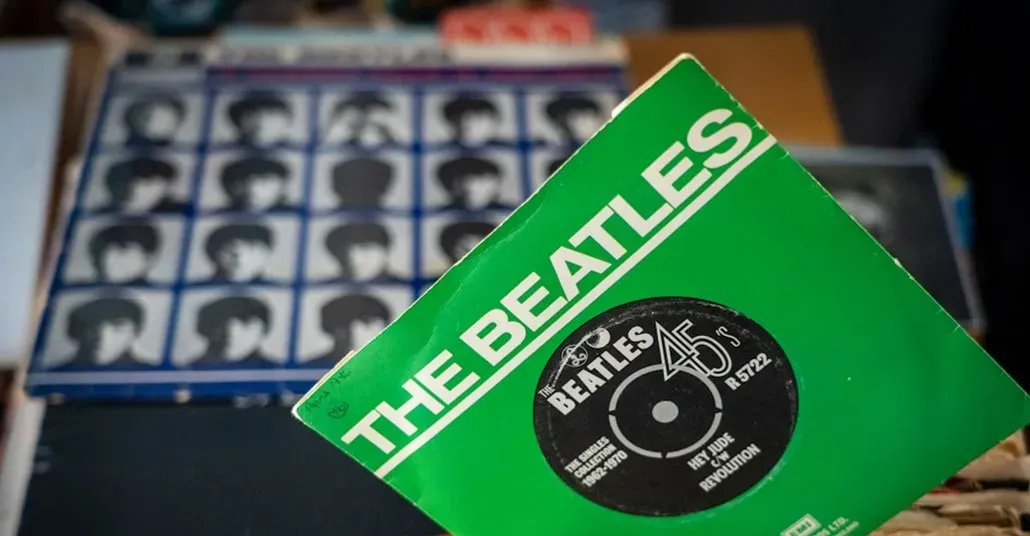
Paul McCartney wrote most of “Hey Jude” quickly, but one line bothered him for a long time after he finished it. The lyric “the movement you need is on your shoulder” struck him as a placeholder, something he planned to replace with a more polished phrase before recording. He mentioned this to John Lennon during a writing session, expecting agreement that the line needed work.
Lennon disagreed and told McCartney it was one of the best lines in the entire song, urging him to leave it exactly as written. McCartney kept it, and the slightly odd, almost accidental phrase became part of one of the most beloved singles the band ever released. It is a small reminder that the writer closest to a song is not always the best judge of its strongest moments.
Axl Rose’s throwaway ad lib becomes the heart of “Sweet Child O’ Mine”


Guns N’ Roses built “Sweet Child O’ Mine” around a guitar riff Slash originally considered a joke, something he was noodling on as a warm up exercise. The verses came together around that riff describing Axl Rose’s then girlfriend Erin Everly, but the song’s structure still needed something to close it out. During studio sessions, Rose began improvising over the outro rather than sticking to a fixed lyric.
His repeated, increasingly desperate cries of “Where do we go now” were not part of any planned lyric sheet. The band liked the raw, unscripted energy enough to keep it in the final mix rather than replacing it with more conventional closing verses. That unplanned outburst gave the song its emotional peak and helped push it to the top of the American charts in 1988.
Rihanna’s “Umbrella” almost lost its most iconic hook


Producers and label executives working on “Umbrella” reportedly debated cutting the extended “ella ella eh eh eh” hook that songwriter Terius “The-Dream” Nash had built into the chorus. On paper it looked repetitive, maybe even a little strange for radio. Some in the room worried it would sound unfinished rather than catchy.
Jay-Z, who ran Def Jam at the time and rapped the song’s intro, pushed to keep the hook intact rather than smoothing it out into more conventional lyrics. That decision preserved the exact element that made the song instantly recognizable within seconds of hitting the radio. “Umbrella” went on to top charts worldwide and remains one of the most sampled and referenced hooks of the 2000s.
Beyoncé’s “Halo” began as a rejected Leona Lewis song


Songwriter and producer Ryan Tedder originally wrote “Halo” for Leona Lewis’s debut album, with lyrics built around a different theme and title. The song was recorded but ultimately left off her record, leaving Tedder with a finished melody and structure but no home for it. Rather than shelving the track entirely, he reworked the lyrics into a new song centered on trust and protection in a relationship.
Beyoncé recorded the reshaped version for her 2008 album “I Am… Sasha Fierce,” and the rewritten lyrics fit her voice and image far better than the original concept ever could have. “Halo” became one of her signature ballads and a staple of both radio playlists and live performances. It is a rare example of an entire song getting a second life through a lyrical rebuild rather than a single tweaked line.
Journey’s “streetlight people” line almost never made the cut


Keyboardist Jonathan Cain has described how “Don’t Stop Believin’” came together piece by piece, with the band searching for a phrase that captured the restless energy of the verses about a small town girl and a city boy. Early attempts at the bridge lyrics felt flat compared to the rest of the song. The band needed something evocative but simple enough to sing along to instantly.
Steve Perry’s delivery of “streetlight people” turned an odd, almost abstract phrase into one of the most quoted lines in classic rock. It gave the song a cinematic, nighttime quality that matched its themes of longing and hope. Decades later, that phrase still shows up in movies, television shows, and karaoke bars as shorthand for the entire song.
Why these small edits carry so much weight

Looking across these examples, a pattern emerges that has nothing to do with genre or decade. A single line often works or fails based on specificity, whether it names a real place, flips a perspective, or captures a feeling more plainly than the previous draft did. Vague or generic phrasing rarely survives contact with a great producer or a sharp eyed collaborator willing to push back.
None of these songs became hits purely because of one lyric. The melodies, arrangements, and performances all mattered enormously. Still, in each case, a specific line acted as the hinge the rest of the song swung on, the detail that made millions of listeners feel like the song was written about them personally rather than about nobody in particular.
What songwriters today can take from these stories


Modern songwriting sessions still run on the same basic instinct that shaped these older hits, the willingness to question a line even after everything else feels finished. Streaming era hits are dissected constantly in interviews and documentaries, and the same theme keeps surfacing, that the difference between a song people skip and a song people replay often comes down to one moment of specificity or honesty. Writers working with collaborators, whether in Nashville, Stockholm, or a home studio, still benefit from a second set of ears willing to say a line is not working yet.
These stories also suggest that revision is not a sign of weakness in a song, it is often the process that turns competent work into something people remember for decades. The Bon Jovi and Cyndi Lauper examples in particular show that an entire song can hinge on a perspective shift that took minutes to make but changed everything about how the song landed. That lesson has not gone out of style, even as the tools and platforms around music keep changing.
The One Lyric Change That Turned a Forgettable Song Into a Career-Defining Hit