I Am Legend and the ending audiences booed


Will Smith has talked candidly about how the original conclusion of the 2007 thriller stayed faithful to Richard Matheson’s novel, with Robert Neville realizing the infected creatures were not monsters at all but a new society trying to survive. The original ending showed Robert Neville discovering that the Darkseekers were trying to survive, just like humans, and he realizes that he might be the monster in their eyes and lets them go. It sounded like a faithful, thoughtful finish. Test audiences hated it.
Will Smith remarked “It was the only movie I’ve ever had that the audience booed,” and detailed that the test screening had a “couple hundred people” in attendance who received a feedback form, with the top two boxes only fetching 51% of the votes. That number spooked the studio enough to send the crew back for reshoots. The version that made it to theaters, with Neville sacrificing himself so a cure can survive, became the one everyone remembers, even though it was the backup plan all along.
First Blood almost killed John Rambo before the franchise began

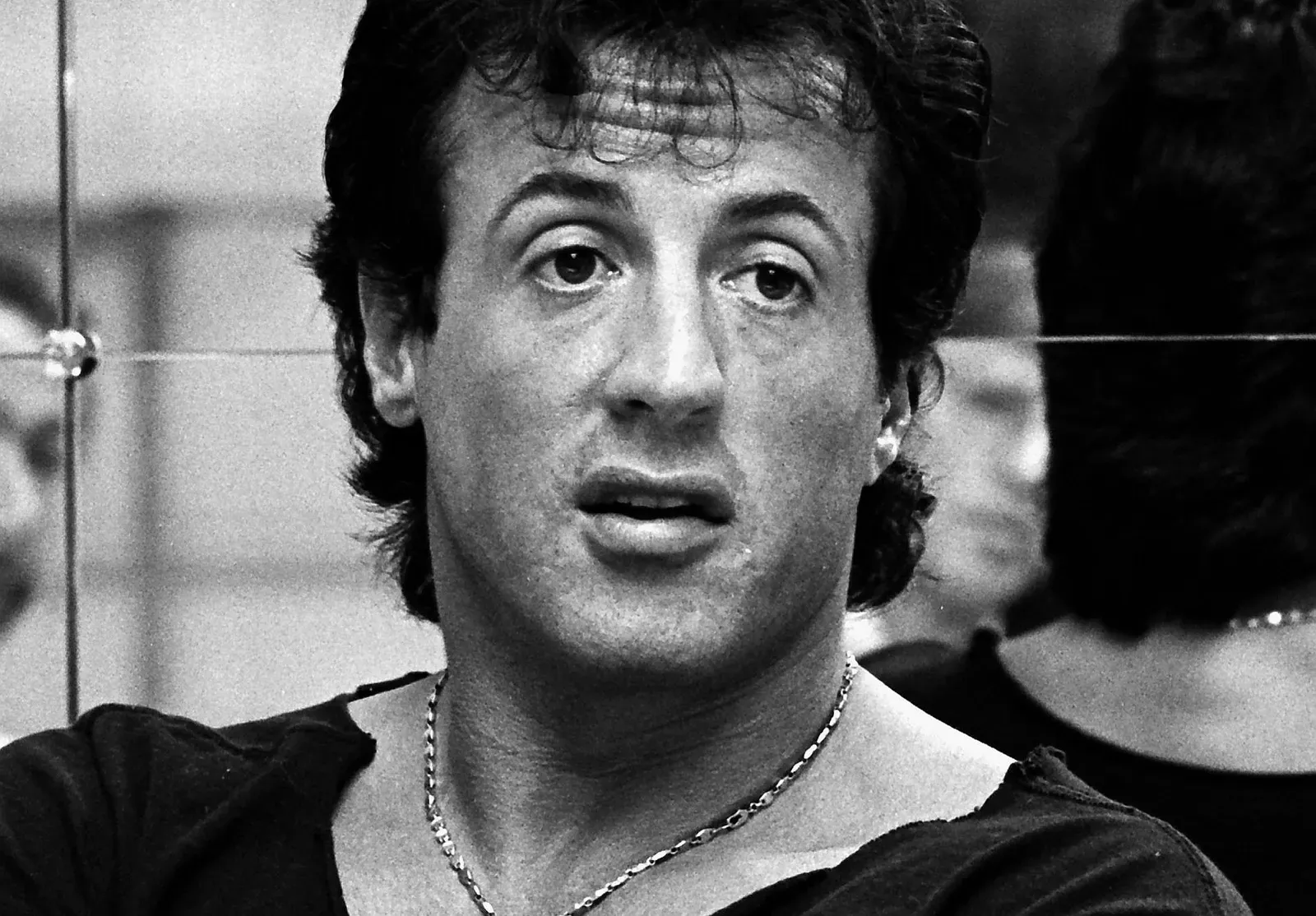
It’s strange to think of Rambo as a character who nearly died in his very first movie, but that was the original plan for 1982’s First Blood. The original ending shot for the film ended on a more tragic note, with Rambo calmly seizing Trautman’s M1911 pistol and quietly asking for death, and Trautman pulling the trigger, blowing away his wayward pupil. It mirrored the tragic tone of David Morrell’s source novel, where Rambo dies as well.
Director Ted Kotcheff and star Sylvester Stallone clashed over the choice, and Stallone eventually won out. That sequence ended up being dropped from the movie in favor of a finale where Rambo survives his one-man war against the small town of Hope, Washington, and lives to fight another day, and in four sequels. Without that last-minute rewrite, there would have been no Rambo franchise at all, since a dead hero rarely gets asked back for a sequel.
Fatal Attraction traded a quiet tragedy for a violent climax

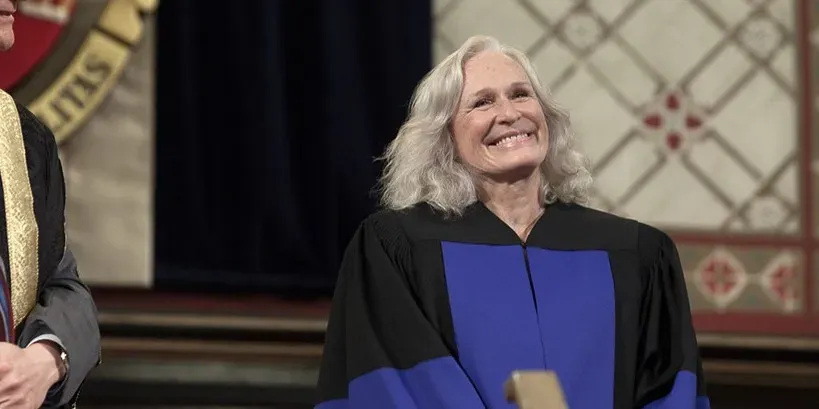
Glenn Close still speaks about this one with visible frustration. The movie’s original ending had Alex frame Dan for her murder before killing herself. Close saw the character as a woman struggling with mental illness rather than a straightforward villain, and she fought to keep that version intact.
When test audiences didn’t like it, the studio reshot the ending, with Dan’s wife shooting and killing Alex, which Close initially protested. She has said she resisted for roughly two weeks before relenting under pressure from castmates and producers. The reshot ending, with its more punishing conclusion for Alex, went on to earn the film six Academy Award nominations, proof that the studio’s gamble on giving audiences catharsis paid off commercially even if it wasn’t the story the filmmakers set out to tell.
Little Shop of Horrors scrapped a five million dollar apocalypse

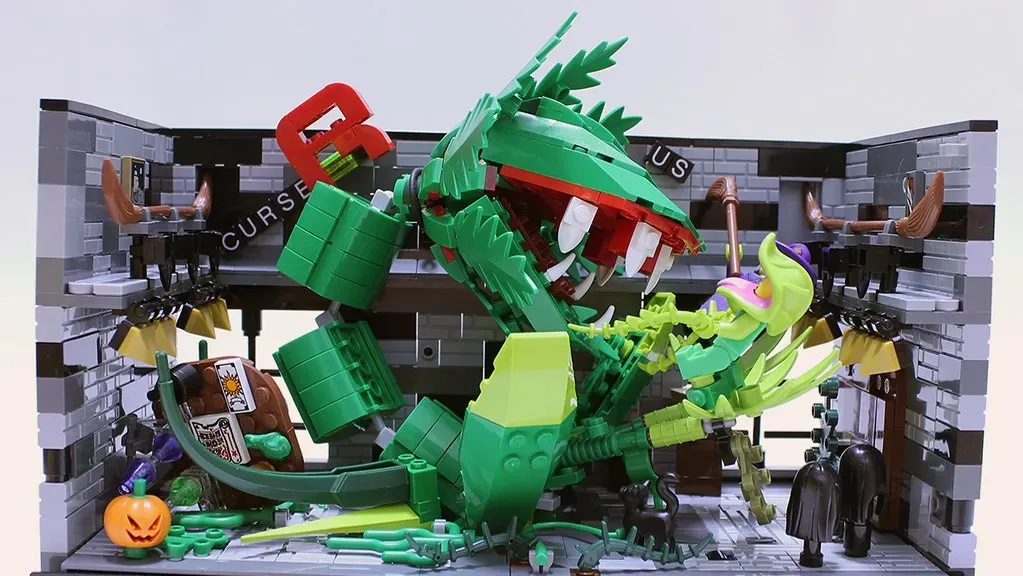
Frank Oz’s 1986 musical originally ended the way the stage show and the 1960 Roger Corman original did, with the carnivorous plant Audrey II winning. It was a large scale, effects heavy scene in which the carnivorous plant Audrey II escapes, multiplies, and then devours New York City, Washington DC, the Statue of Liberty, and finally the entire planet, with every significant human character having perished and the plant prevailing. That sequence had cost a fortune to produce.
The problem was audience reaction, and it wasn’t subtle. Scores falling below 55 percent are typically cause for serious concern, and Little Shop of Horrors scored a dismal 13 percent on the first test screening and a 16 percent on the second. Oz reshot a happier finish where the leads survive, and the original apocalyptic footage sat unused for over two decades before Warner Bros. eventually restored it for a director’s cut release in 2012.
World War Z rebuilt its third act after early screenings fell flat

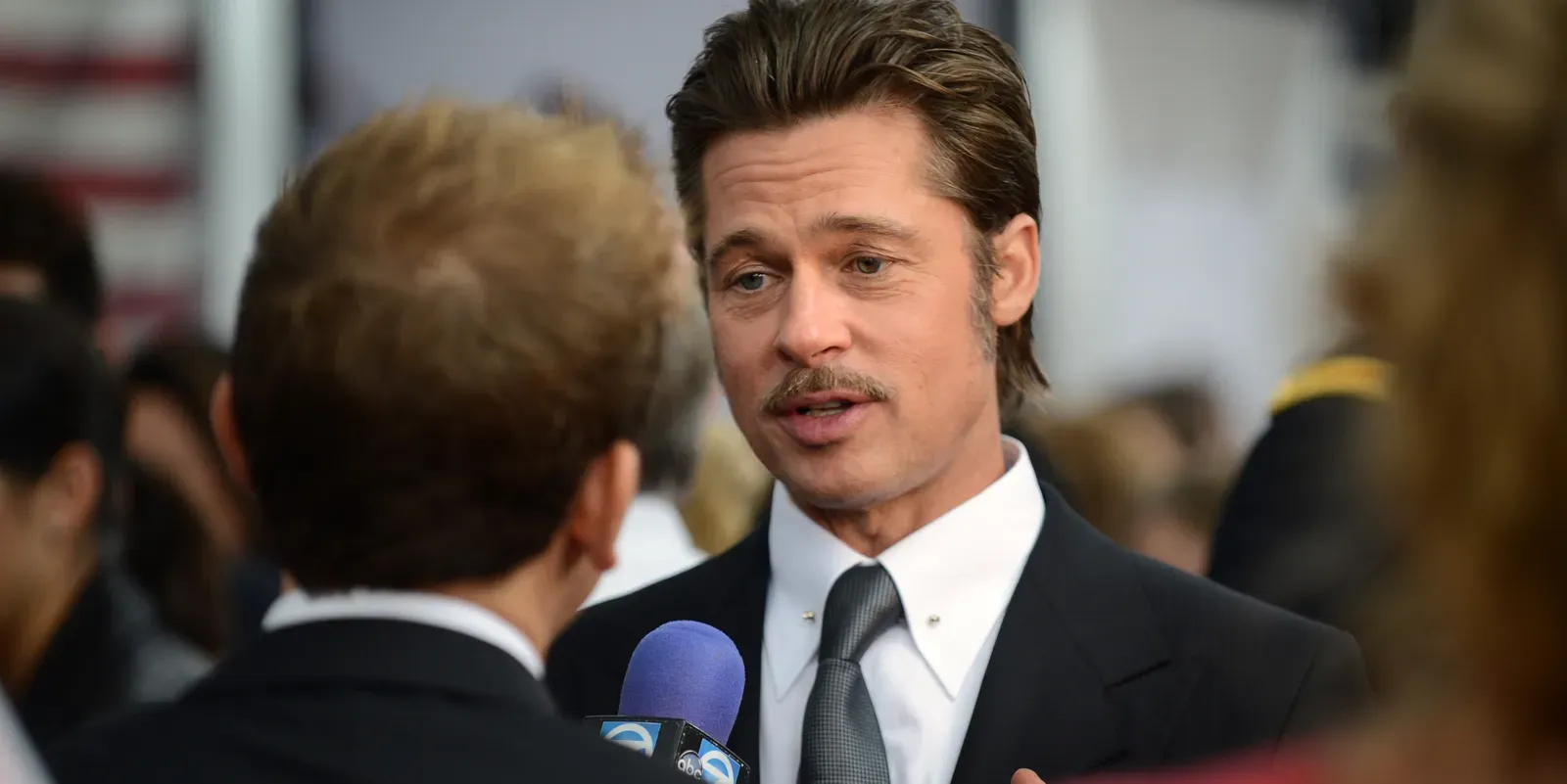
Brad Pitt’s 2013 zombie thriller was originally set to end with a large scale military battle in Moscow, a climax that matched the film’s globe hopping scale. When early cuts screened poorly, Paramount pushed the release date back by months and brought in additional writers to rework the finish. The studio ultimately replaced the sprawling battle with a quieter, tenser sequence set in a World Health Organization facility in Wales.
The change was widely reported at the time as one of the more expensive last minute rewrites in recent studio history, requiring extensive reshoots long after principal photography had wrapped. It shifted the tone of the whole third act from spectacle to suspense, trading explosions for a slow crawl through a building full of infected patients. Whether or not it was the better choice is still debated among fans, but it undeniably changed how the film is remembered.
Pretty Woman softened a much bleaker original conclusion

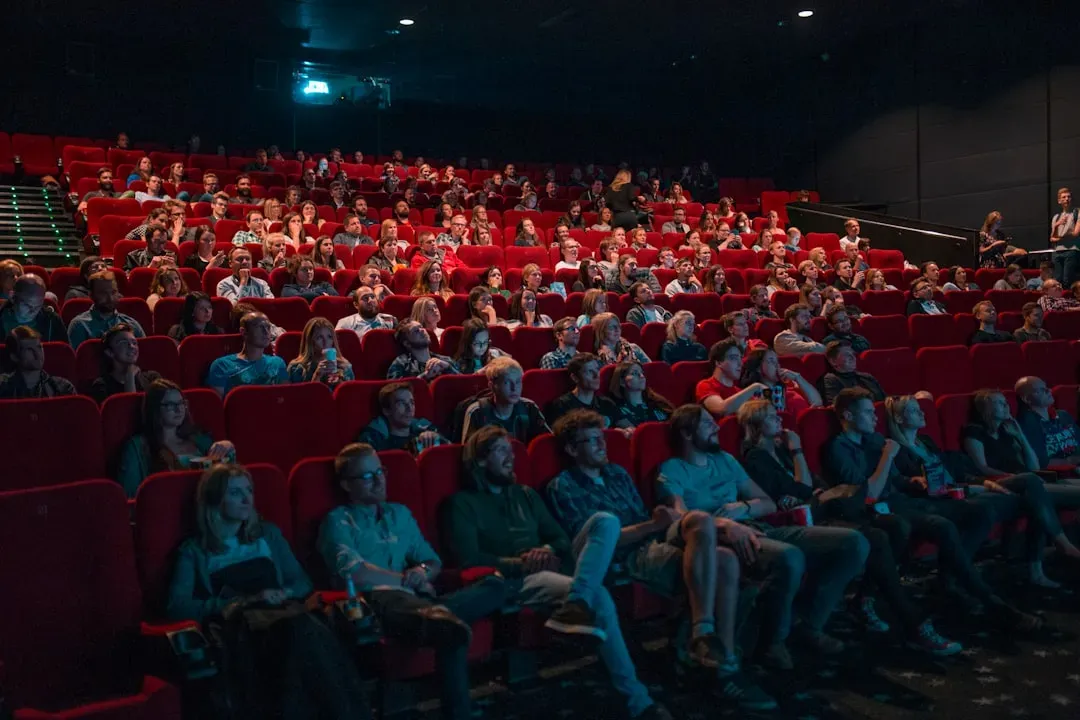
Before it became one of the defining romantic comedies of its era, Pretty Woman started life as a considerably darker script known as 3000, which followed a much grimmer path for its two leads. In earlier drafts, the relationship between the characters played eventually by Julia Roberts and Richard Gere ended without the fairy tale resolution audiences got in 1990. The tone shifted substantially as the project moved through development, aiming for something warmer and more commercially appealing.
By the time the film reached its final form, the ending had been reshaped into the now iconic scene of a limousine arriving with flowers and a declaration of feelings. That choice turned a story with rough edges into a box office phenomenon and helped define an entire decade of studio romantic comedies. The softened ending is often cited as a key reason the film crossed over from a niche premise into mainstream success.
Sunset Boulevard cut a morgue scene that confused early viewers
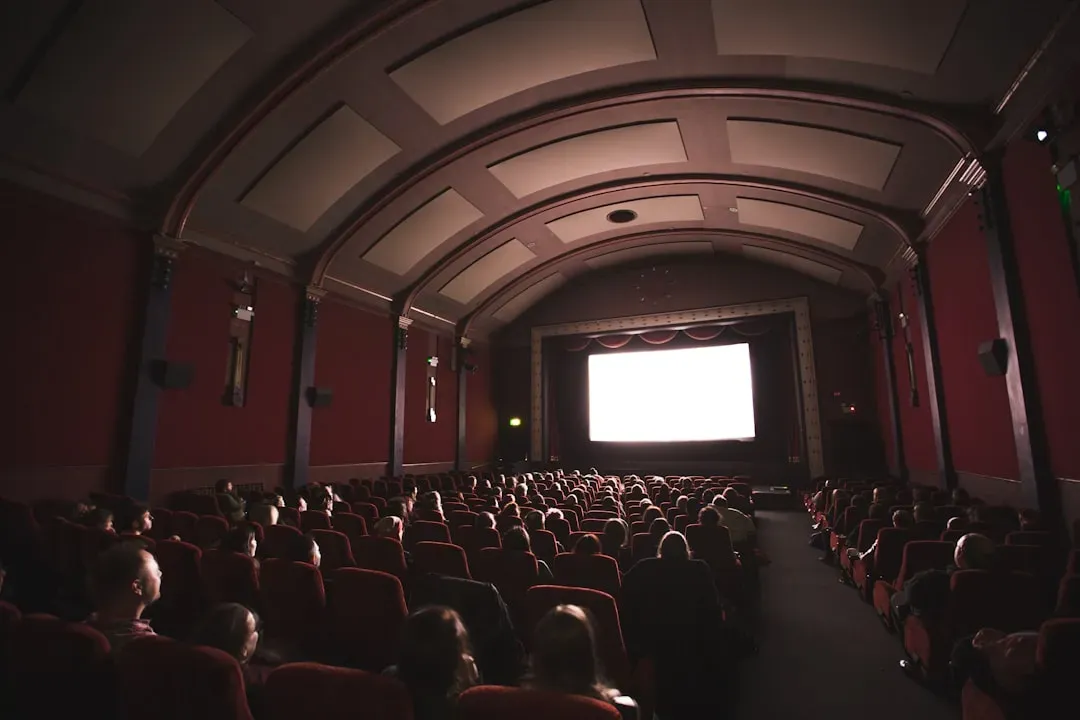
Billy Wilder’s 1950 classic originally opened with a very different framing device than the one audiences know today. The initial version began in a Los Angeles morgue, where the film’s narrator, already dead, spoke from a slab alongside other corpses, explaining how he ended up there before the story flashed back. It was a bold, strange choice, and preview audiences reportedly found it more amusing than haunting, which was not the intended effect.
Wilder scrapped the morgue framing and replaced it with the simpler shot of a body floating face down in a swimming pool, narrated by the same dead man in voiceover. That change preserved the film’s unusual structure while removing the element that had caused unintended laughter at test screenings. The pool shot became one of the most famous opening images in American cinema, proof that sometimes a smaller fix solves a bigger problem.
My Best Friend’s Wedding nearly rewrote its ending to fit a happier mold

The 1997 romantic comedy starring Julia Roberts took a risk by keeping its lead character without the romantic prize she spent the film pursuing. Test audiences reportedly reacted with discomfort to a story where the protagonist does not get the guy, and there was internal pressure at the studio to consider a more conventional resolution. Filmmakers debated whether to change course and give audiences the pairing they expected.
In the end, the studio held its nerve and kept the bittersweet ending largely intact, trusting that the film’s honesty about unfulfilled romantic pursuit would resonate rather than alienate viewers. That decision is often held up as a rare case where a near rewrite was reversed rather than carried out, and the film’s willingness to let its heroine walk away without a fairy tale ending became part of its lasting appeal. It stands as a useful counterpoint to the other entries here, showing that test screening panic does not always win.
The pattern behind the panic

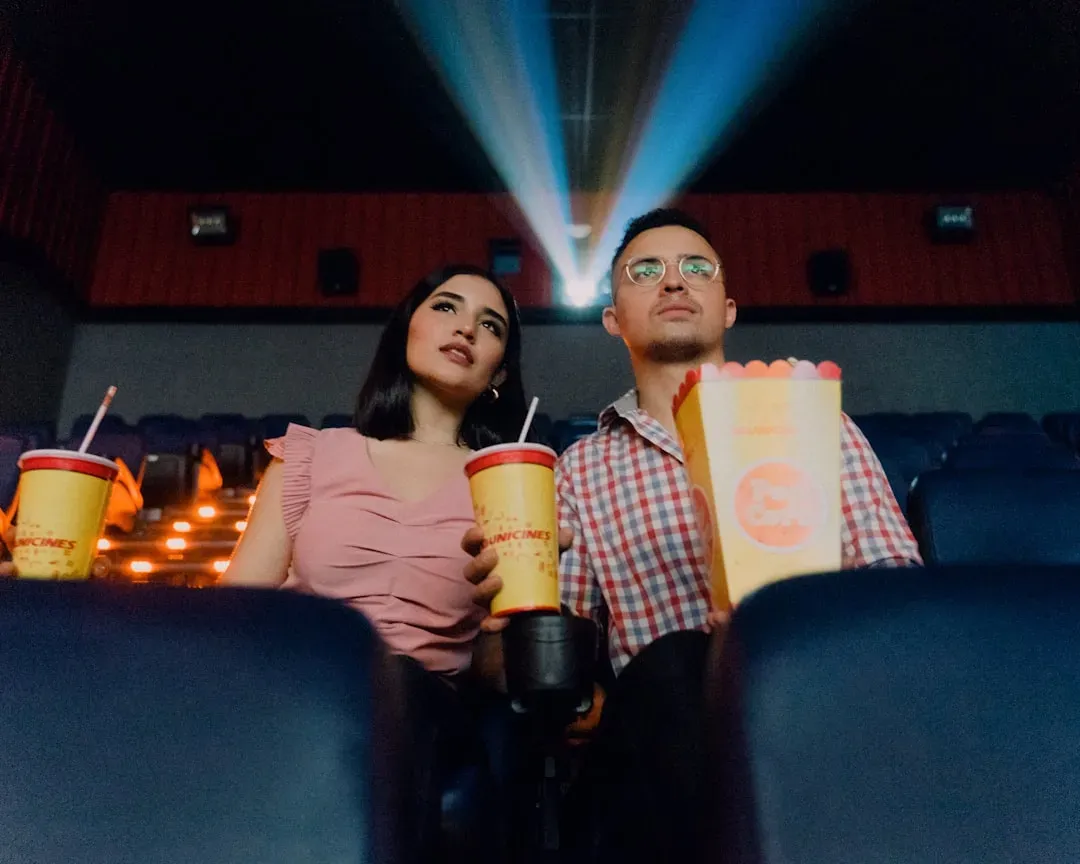
Looking at these cases together, a clear pattern emerges. Studios rarely change an ending because the writing was weak, they change it because a room full of strangers reacted in a way nobody predicted, whether that was booing, stunned silence, or unwanted laughter. Money and marketing pressure almost always tip the final decision, since a film that tests poorly can struggle before it even opens.
What’s notable is how often the abandoned version survives in some form, as a deleted scene, a director’s cut, or a story actors still bring up decades later. These leftover endings offer a rare glimpse into how fragile a finished film’s identity can be right up until the last stretch of production. The version audiences eventually see is frequently the second or third attempt, shaped as much by a preview audience’s gut reaction as by anyone’s original artistic vision.
The Real Reason 8 Famous Endings Were Rewritten at the Last Minute