Some movies fade quietly once the credits roll. Others leave behind a handful of lines that end up in everyday conversation, sports commentary, memes, and family arguments about who said it first. The films on this list earned their place not just through box office numbers or awards, but through sheer cultural repetition, the kind where a single phrase can still get a laugh or a nod decades later.
Ranking quotability is admittedly subjective, but there are patterns worth noting. The movies that stick tend to blend sharp writing with performances that make ordinary lines feel inevitable, almost like they could not have been phrased any other way. Here is a look at ten films from the past thirty years that have shaped the way people talk, joke, and reference pop culture.
Pulp Fiction (1994)

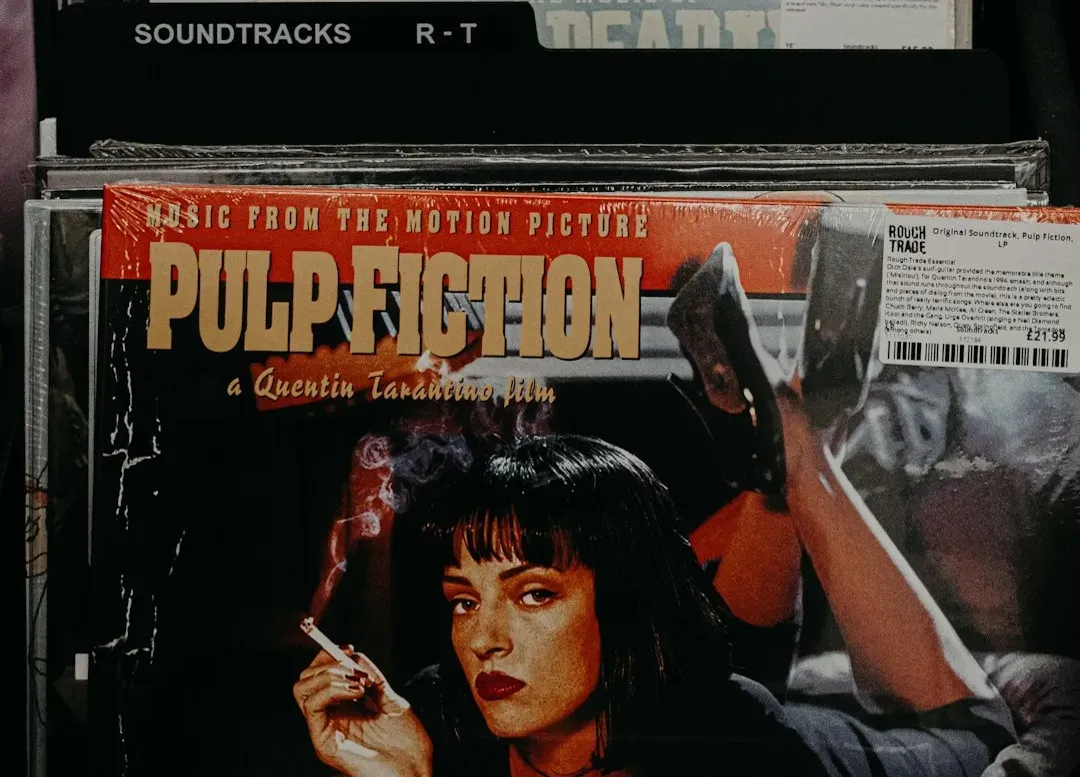
Quentin Tarantino’s crime saga arrived just before the thirty year window but its influence stretched well into it, keeping its dialogue in constant circulation through the 1990s and 2000s. Lines about a Royale with Cheese or the exact description of what is in the briefcase became shorthand for a certain kind of cool detachment. The film’s structure, built almost entirely around conversation rather than action, forced every scene to carry weight through what characters said rather than what they did.
What makes Pulp Fiction endure is how conversational the dialogue feels even now, decades removed from its release. Characters ramble about foot massages and fast food before violence erupts, and that tonal whiplash made the quotes memorable precisely because they felt so mundane. It remains a reference point for screenwriters studying how dialogue can double as characterization.
- Director: Quentin Tarantino
- Box Office: roughly $213 million worldwide on an $8.5 million budget
- Famous Line: “Royale with Cheese”
- Legacy: Palme d’Or winner at the 1994 Cannes Film Festival
The Big Lebowski (1998)

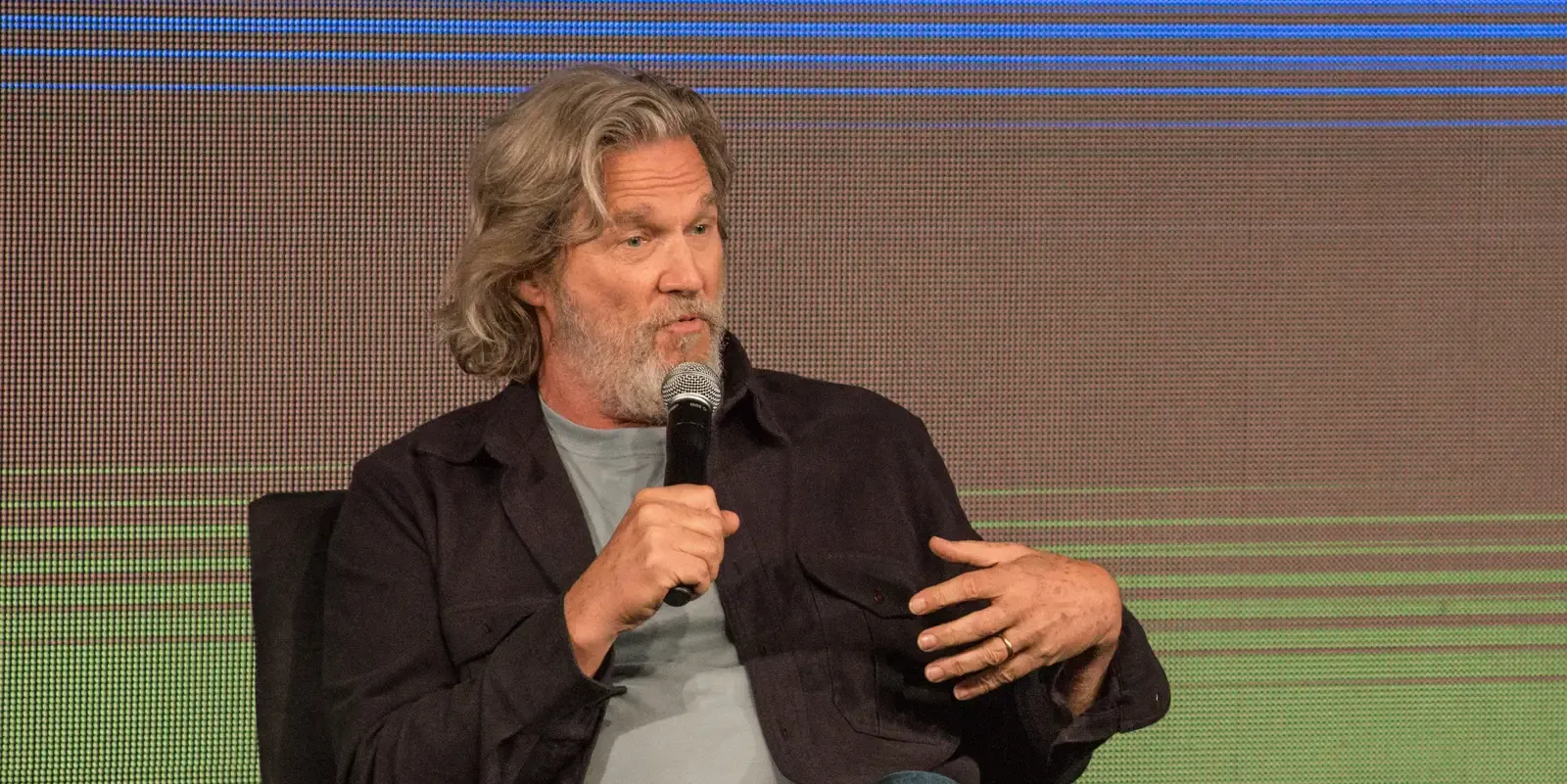
The Coen brothers’ shaggy dog comedy bombed on release but grew into one of the most quoted cult films of the era, helped along by annual Lebowski Fest gatherings that started in the early 2000s. Jeff Bridges’ Dude speaks almost entirely in half finished thoughts and stoner logic, yet phrases like “that’s just, like, your opinion, man” became genuinely useful in real arguments. John Goodman’s Walter, all rage and misplaced Vietnam references, supplies the counterbalance.
The film’s quotability comes from its rhythm, not just its wit. Characters repeat themselves, mishear each other, and circle back to the same complaints, which mimics how people actually talk when they are annoyed or confused. That messiness is exactly why so many lines slipped into casual use long after the movie left theaters.
- Directors: Joel and Ethan Coen
- Box Office: on a budget of $15 million, it grossed only $18 million in the United States and $46.7 million worldwide
- Famous Line: “That’s just, like, your opinion, man”
- Legacy: Grew into a cult classic celebrated at annual Lebowski Fest gatherings
Mean Girls (2004)


Tina Fey’s high school comedy produced maybe the densest concentration of quotable lines of any teen movie from the 2000s, and its afterlife has only grown through TikTok clips and a 2024 movie musical remake that reintroduced the original lines to younger audiences. “That’s so fetch” and the entire October 3rd exchange became annual internet rituals, with the date itself trending on social media every year. The film’s satire of teenage cruelty gave the dialogue an edge that pure comedy alone would not have sustained.
Regina George’s put downs work because they sound plausible, the kind of thing a genuinely mean but clever teenager might actually say. That specificity, paired with Fey’s background in sketch writing, gave nearly every character a line worth repeating. Few movies from the era have aged into internet culture as smoothly.
- Director: Mark Waters
- Writer: Tina Fey
- Famous Line: “That’s so fetch”
- Legacy: “October 3rd” trends online annually; reintroduced to new audiences via a 2024 movie-musical remake
Anchorman: The Legend of Ron Burgundy (2004)

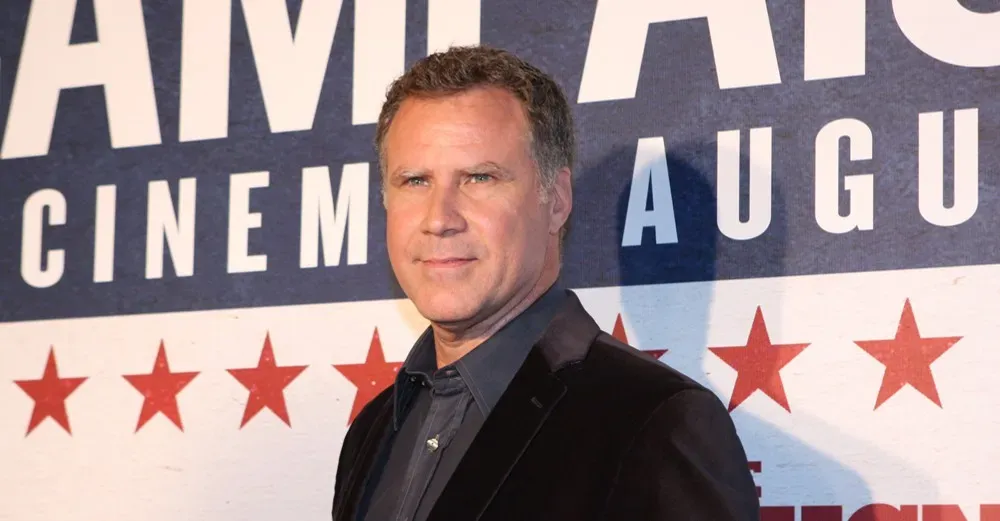
Adam McKay’s newsroom comedy turned Will Ferrell’s Ron Burgundy into a walking quote generator, and its afterlife on cable reruns and DVD only deepened its grip on popular speech. The film’s quotable lines and 1970s San Diego TV news setting helped generate a cult following on DVD, even though the theatrical run itself was fairly modest. The ensemble around Ferrell, including Steve Carell’s dim weatherman and Paul Rudd’s overconfident reporter, gave nearly every scene a fresh one liner worth repeating. Jokes about glass cases of emotion and newsroom brawls became so embedded in comedy culture that they outlived the film’s initial box office run entirely.
Part of what keeps Anchorman quotable is its improvisational looseness, since McKay and Ferrell shot so many alternate takes that a second, differently edited film was released using the leftover footage. That surplus of material meant fans kept discovering new lines years after the original release. Applegate and Ferrell reunited in 2024 on Applegate’s podcast to mark the film’s 20th anniversary, a reminder of how many of its phrases had quietly become everyday slang. Even now, sports broadcasters and radio hosts drop Anchorman references without needing to explain the source.
- Director: Adam McKay
- Box Office: released July 9, 2004, and earned $90 million at the worldwide box office on a $26 million budget
- Famous Line: “60% of the time, it works every time”
- Legacy: Cast reunion marked the film’s 20th anniversary in 2024
Napoleon Dynamite (2004)

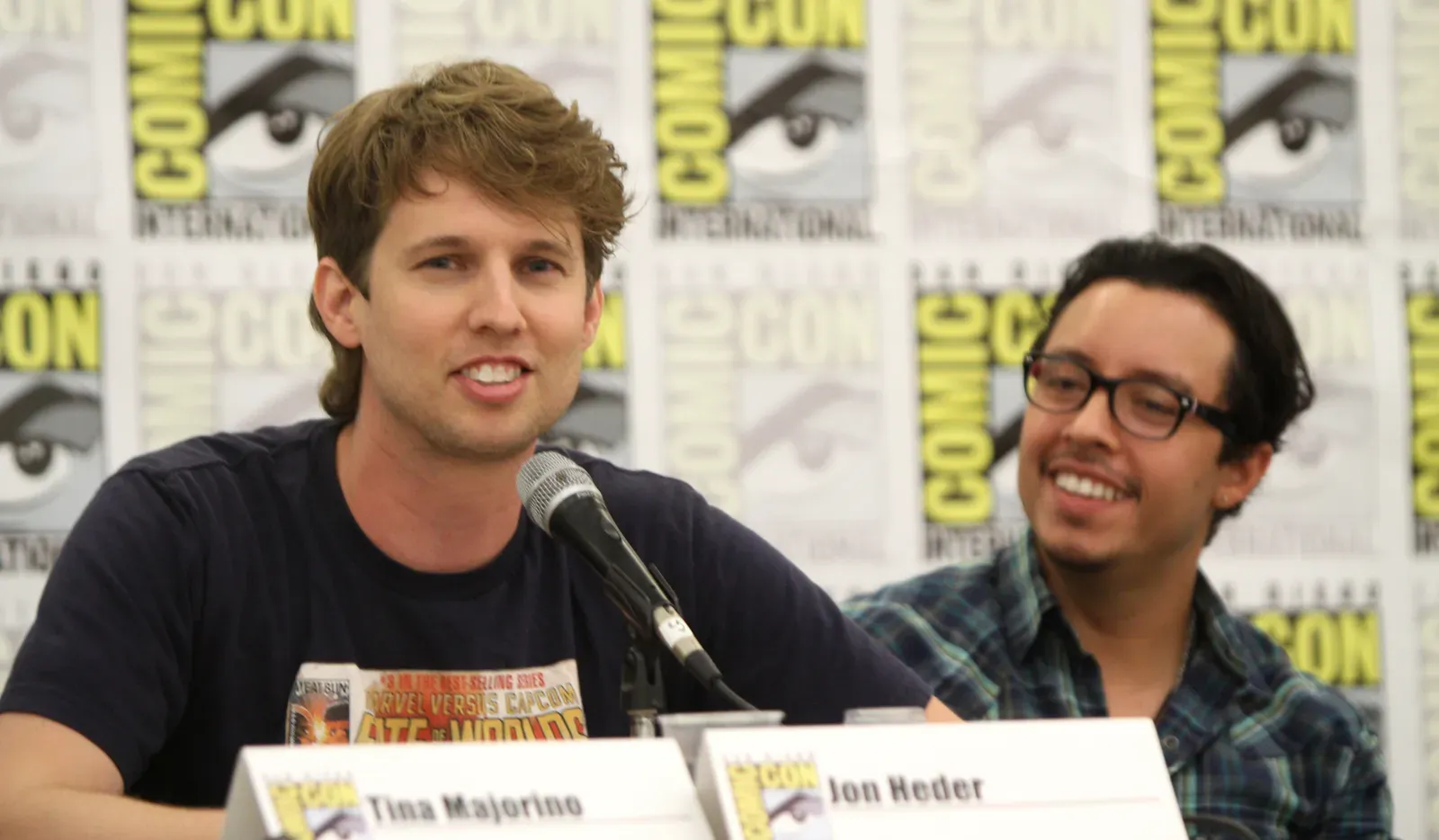
Jared Hess turned a shoestring Sundance oddity into one of the decade’s most quoted comedies, built almost entirely around Jon Heder’s flat, mumbling delivery as the titular awkward teenager. The film’s total worldwide gross revenue was $46.1 million, a striking return given how little it cost to make in rural Idaho. Its humor relied on deadpan non sequiturs rather than jokes with obvious setups and punchlines, which made phrases like “Vote for Pedro” oddly adaptable to campaigns, T-shirts, and unrelated arguments. The film’s cult status was cemented fast, helped by its distinctive visual style and total absence of cynicism.
What sets Napoleon Dynamite apart is how its quotes work without context, since so much of the dialogue is delivered with the same flat affect no matter the stakes. That consistency made individual lines endlessly repeatable, because the tone never had to shift to sell the joke. At the 2005 MTV Movie Awards, the film won Best Movie and Best Musical Performance for Heder’s closing dance sequence, cementing its status among younger audiences who kept its catchphrases alive for years afterward. Two decades later, its awkward-teen archetype still shows up in memes referencing the film directly.
- Director: Jared Hess
- Box Office: $46.1 million worldwide on a $400,000 budget
- Famous Line: “Vote for Pedro”
- Legacy: Won Best Movie at the 2005 MTV Movie Awards
Superbad (2007)


Seth Rogen and Evan Goldberg wrote Superbad based loosely on their own teenage friendship, and that authenticity gave the dialogue a specificity that lifted it above typical raunchy comedy fare. The film was written by Evan Goldberg and Seth Rogen during their teen years, drawing on their own experiences as high school seniors. Directed by Greg Mottola, it paired Jonah Hill and Michael Cera with a scene-stealing Christopher Mintz-Plasse as the fake-ID-wielding Fogell. On a $20 million budget, the film earned $121,463,226 domestically and $170,800,000 worldwide, numbers few R-rated teen comedies matched at the time.
The single name “McLovin” became a cultural shorthand almost overnight, used by strangers introducing themselves as a joke long after the film left theaters. Much of the quotability comes from how specific and embarrassing the dialogue gets, since characters describe their anxieties in exact, cringeworthy detail rather than vague generalities. That specificity made the lines feel like things real teenagers might actually blurt out under pressure. The film also helped launch Bill Hader and Emma Stone into wider recognition, adding to its lasting footprint in comedy circles.
- Director: Greg Mottola
- Box Office: $170.8 million worldwide on a $20 million budget
- Famous Line: “I am McLovin”
- Legacy: Launched Jonah Hill, Michael Cera, Bill Hader, and Emma Stone
The Dark Knight (2008)

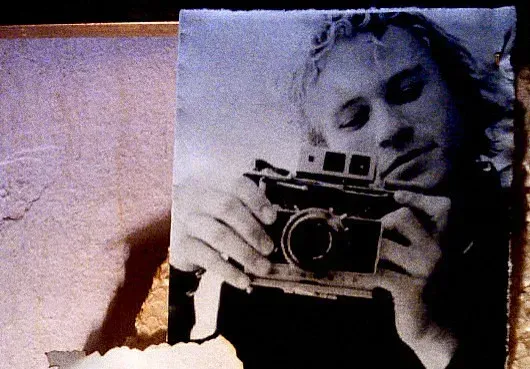
Christopher Nolan’s second Batman film proved that a comic book movie could produce quotable dialogue with the same weight as a crime drama, largely thanks to Heath Ledger’s unsettling performance as the Joker. The film’s grounded tone made throwaway threats sound like genuine philosophy, which is part of why lines about chaos and heroism still circulate in unrelated conversations. The Dark Knight held Warner Bros.’ domestic box office record at $536 million for years before Barbie eventually surpassed it more than a decade later. Ledger’s posthumous Academy Award only reinforced how seriously audiences took a performance built partly on unnervingly quotable menace.
Unlike broad comedies, The Dark Knight earns its quotability through tension rather than laughs, with lines delivered as threats or moral challenges instead of jokes. That gives its dialogue a different kind of staying power, rooted in intensity rather than humor. References to the film show up everywhere from political commentary to sports rivalries, usually invoked to describe chaos or moral compromise. Few superhero films before or since have left as heavy a linguistic footprint.
- Director: Christopher Nolan
- Box Office: $536 million domestic, over $1 billion worldwide
- Famous Line: “Why so serious?”
- Legacy: Heath Ledger won a posthumous Academy Award for his performance
Step Brothers (2008)

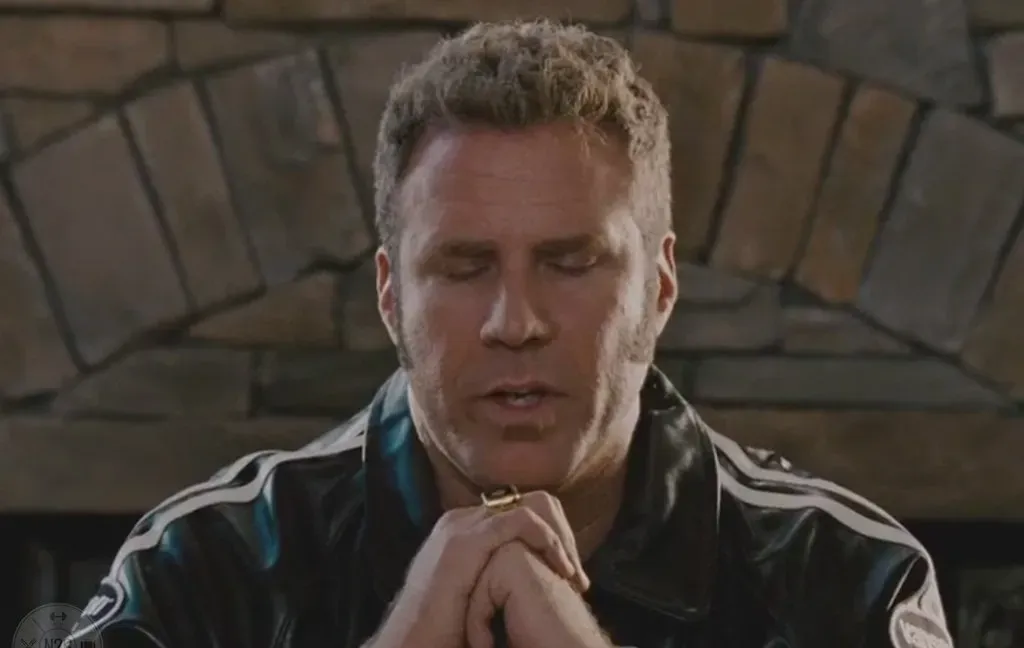
Adam McKay reunited with Will Ferrell for this story of two middle-aged men forced to become stepbrothers, pairing him with John C. Reilly for a dynamic built entirely on escalating absurdity. The film leans into the logic of arrested development, where grown men argue like children over bunk beds and drum sets, and that childish specificity is exactly what makes the dialogue so repeatable. Lines exchanged between the two leads work almost like a call and response, meant to be quoted back and forth between friends rather than remembered individually. The film’s premise gave it a narrower theatrical run than some of McKay’s other comedies, but its home video and streaming afterlife told a different story entirely.
Much of Step Brothers’ endurance comes from how quickly it became meme fodder once social media caught up to its release. Screenshots and video clips of the two leads’ meltdown arguments have circulated for over a decade, often stripped of context because the lines already carry their own comedic logic. That adaptability, being funny with or without the surrounding scene, is a hallmark of the most quotable comedies on this list. Ferrell and Reilly’s chemistry made even mundane arguments about drum sets feel iconic.
- Director: Adam McKay
- Stars: Will Ferrell, John C. Reilly
- Famous Line: “Did we just become best friends?”
- Legacy: Became one of the most GIF-referenced comedies of the 2010s
Deadpool (2016)

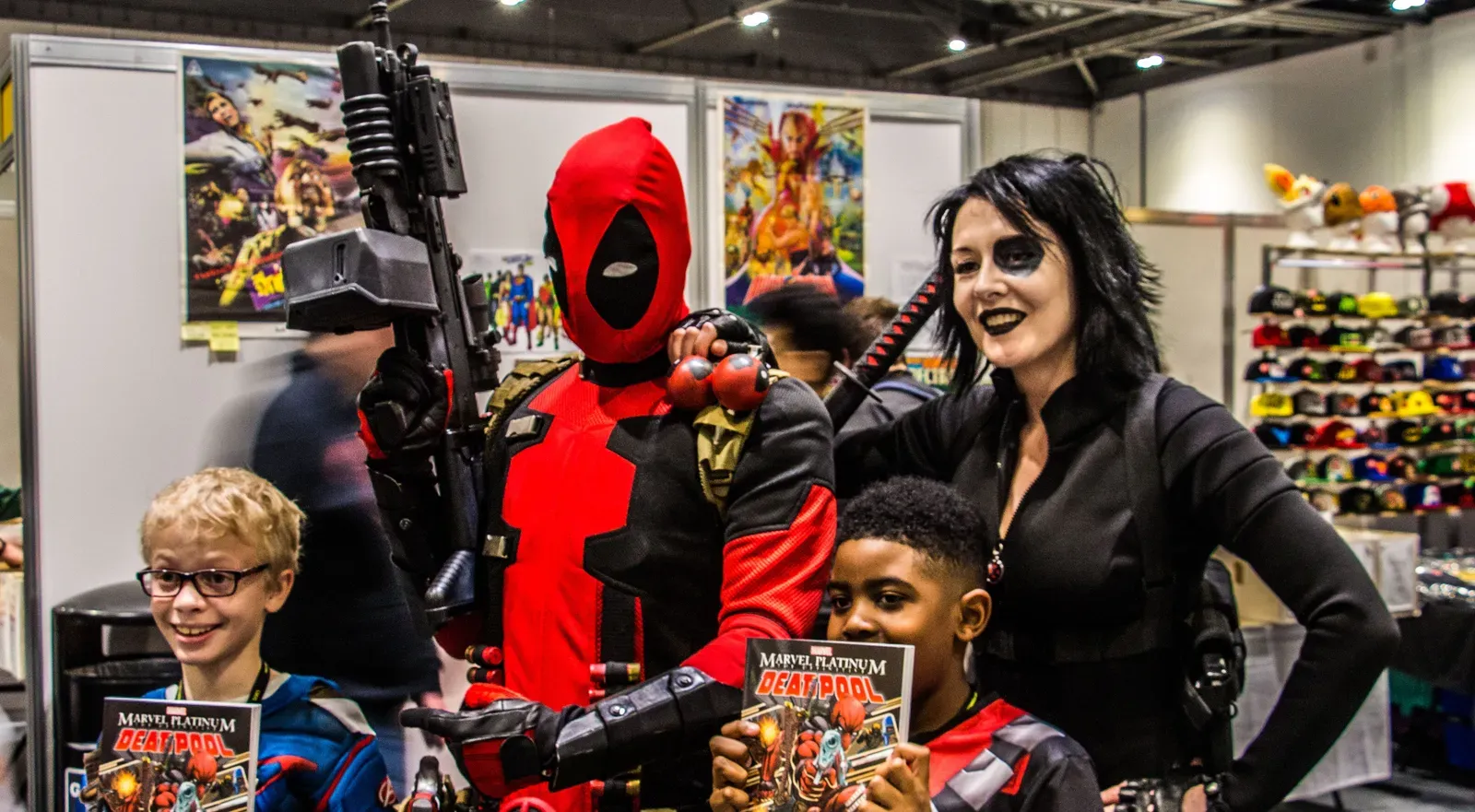
Ryan Reynolds spent years trying to get a Deadpool movie made, and when Tim Miller’s version finally arrived in 2016, its fourth wall breaking humor turned nearly every scene into a quotable moment. The character’s constant asides to the audience, mocking superhero tropes and Reynolds’ own career, gave the film a self-aware voice that felt fresh compared to more self-serious franchise entries. On a modest $58 million budget, the film became a genuine box office phenomenon, proving that R-rated superhero comedy had a real audience. Its marketing campaign, built around Deadpool’s own meta commentary, was almost as quotable as the film itself.
What keeps Deadpool’s dialogue circulating is its density of pop culture references, meaning new audiences discovering it years later still catch the jokes landing correctly. The character’s willingness to mock everything, including the studio and its own franchise, gave the writing a rebellious streak other superhero movies could not easily replicate. That formula proved durable enough to carry into Deadpool & Wolverine in 2024, which leaned even further into meta humor for a new generation. Few franchises have built quotability so directly into their marketing and premise.
- Director: Tim Miller
- Box Office: roughly $783 million worldwide on a $58 million budget
- Famous Line: “Maximum effort!”
- Legacy: Paved the way for the R-rated Deadpool & Wolverine in 2024
Barbie (2023)


Greta Gerwig’s Barbie turned a toy adaptation into one of the most quoted films of the 2020s, blending sharp satire with genuine sincerity in a way few blockbusters attempt. The film earned $1.36 billion at the worldwide box office, making it the highest-grossing release of 2023 and instantly one of the most discussed films of the decade. Ryan Gosling’s Ken became a walking punchline machine, turning phrases about “Kenergy” into instant internet shorthand. America Ferrera’s monologue about the impossible expectations placed on women, meanwhile, gave the film an unexpectedly quotable moment of sincerity amid the comedy.
The film’s quotability works on two levels, since it offers both broad, meme-ready jokes and quieter lines that resonated as genuine commentary on identity. That range meant different audiences walked away quoting entirely different parts of the same movie. It also landed the biggest opening weekend for a film directed by a woman and became the highest-grossing movie directed solely by a woman, a milestone that added cultural weight to its box office success. Barbie proved that a film can be endlessly memeable and emotionally resonant at the same time, a combination that keeps its lines in circulation well past its opening year.
- Director: Greta Gerwig
- Box Office: over $1.4 billion worldwide, the highest-grossing film of 2023
- Famous Line: “I’m Kenough”
- Legacy: Gerwig became the highest-grossing solo female director in box office history