The Shining (1980)
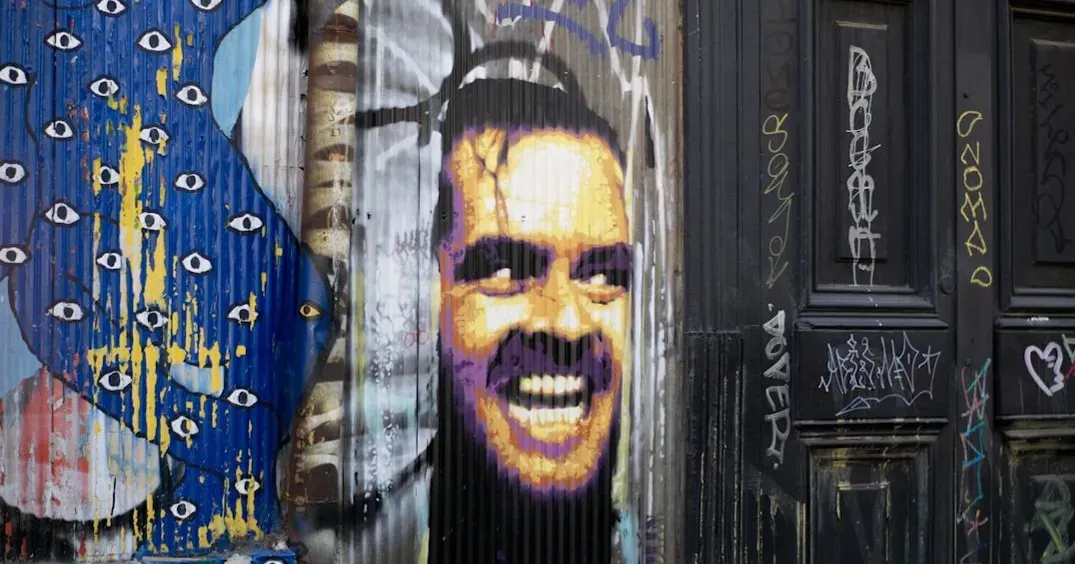
Stanley Kubrick’s film is widely considered a horror classic, but Stephen King has spent decades explaining why it barely resembles the book he wrote. King’s novel focuses more on the supernatural forces that change Torrance during the story, whereas Kubrick’s film treats Jack himself as the primary antagonist rather than the hotel. King has also pointed out a much more literal difference in how the two versions end. “The other real difference is at the end of my book the hotel blows up, and at the end of Kubrick’s movie the hotel freezes. That’s a difference,” he said.
Beyond plot mechanics, King has repeatedly said the emotional register of the two versions couldn’t be more different. He told the BBC he isn’t a cold writer, explaining that his books reach out and invite readers in, while Kubrick’s version felt very cold to him. He was so unhappy with the result that he made a three episode horror miniseries based on his own novel in 1997, though critics generally agree it never matched Kubrick’s visual power even if it stayed closer to the source material.
Forrest Gump (1994)
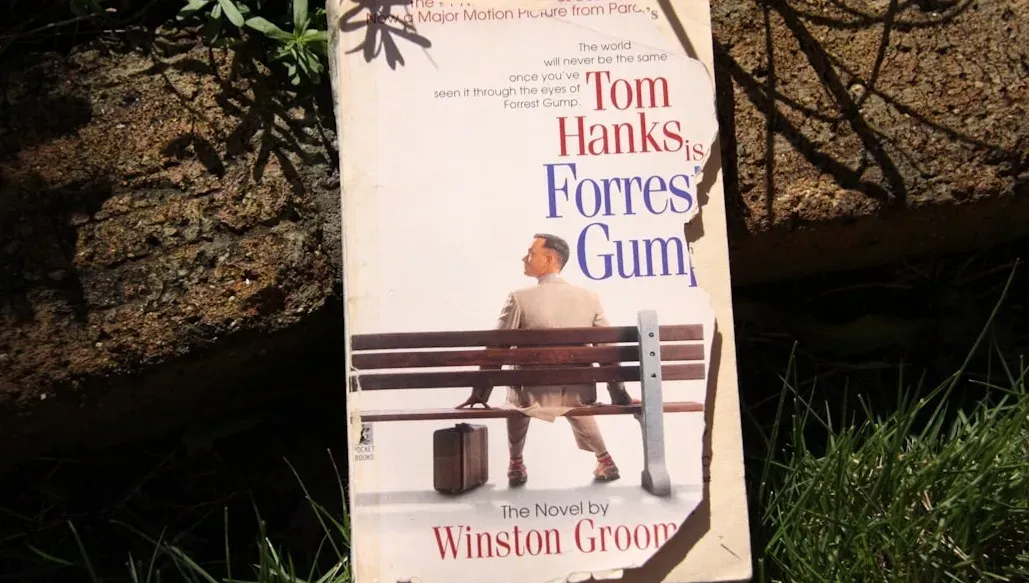
Robert Zemeckis’s film turned Winston Groom’s novel into something almost unrecognizable in tone and detail. The basic outlines of Gump’s life stayed the same, with football at Alabama, service in Vietnam, and a shrimp business, but the film made major departures, removing his status as a math savant, softening him into a more saintly figure, and stripping away his size, profanity, and much of his sex life. In the book, Groom’s Gump was a towering figure rather than an average built man. He is described as 6 feet 6 inches tall and weighing 242 pounds at age sixteen, a far cry from Tom Hanks’s more ordinary frame on screen.
The plot points diverge just as sharply. The famous cross-country run that defines the film’s back half doesn’t happen at all in the book. The fate of Jenny changes too, since in Groom’s version she does not have AIDS, and she lives, with Forrest content to let her and her new husband raise their son. Groom’s novel also sent Forrest into far stranger territory, including a stint as an astronaut, that the film left out entirely in favor of a gentler, more grounded story.
Starship Troopers (1997)
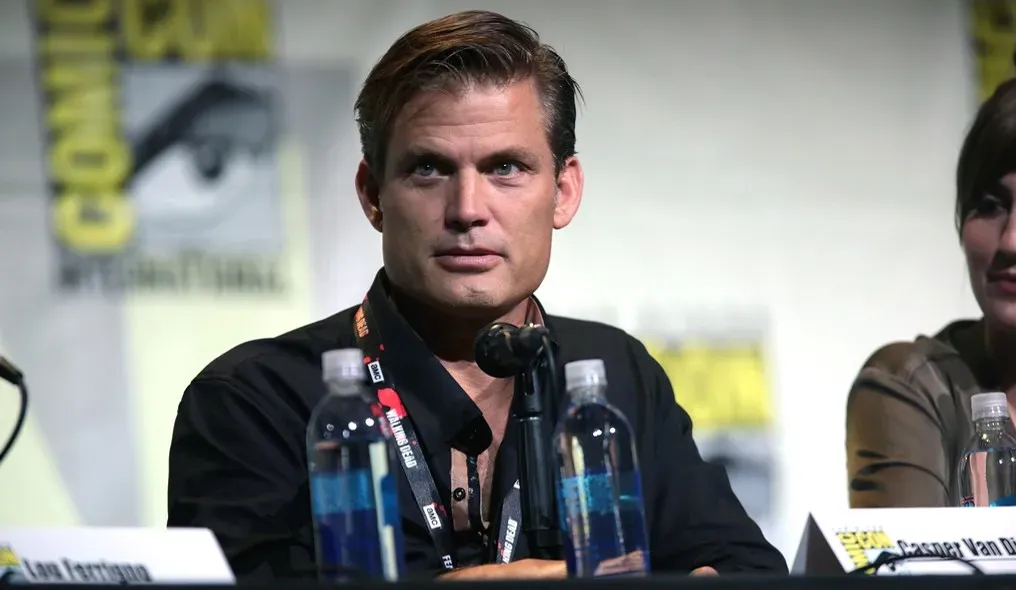
Paul Verhoeven’s film shares a title, some character names, and a war against giant alien bugs with Robert Heinlein’s 1959 novel, but the intent behind each is almost opposite. Heinlein’s book was a pro-military story that some readers consider outright propaganda, while Verhoeven set out to critique that same mentality rather than celebrate it. The director reportedly never even finished reading the source material before shaping his own vision of it, which helps explain how far the film strayed from Heinlein’s political philosophy.
Several plot elements were invented purely for the screen. The film centers a romantic love quadrangle among Rico, Carmen, Dizzy, and Zander that has no equivalent in the novel, where no such romance exists. The film also reshaped the world’s demographics, since the book’s lead character Johnnie is of Filipino descent and its society is portrayed as diverse and multi-ethnic, while Verhoeven’s adaptation used a mostly white cast. What Heinlein wrote as a sincere meditation on citizenship and duty became, in Verhoeven’s hands, a satire aimed squarely at militarism itself.
World War Z (2013)
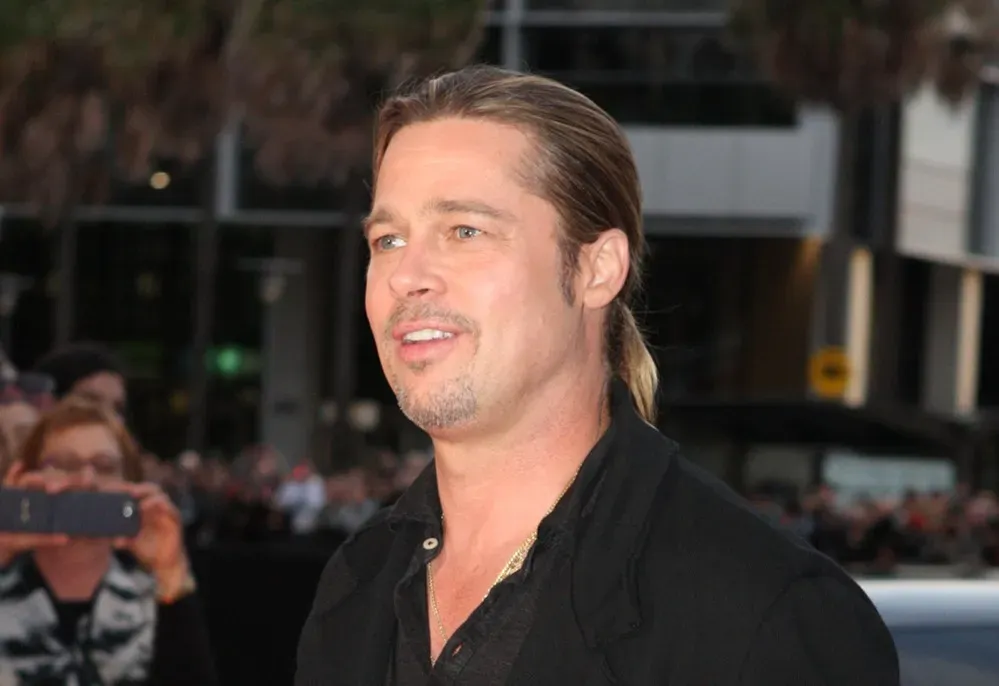
Max Brooks’s 2006 novel is structured as a series of interviews conducted after a global zombie war, an oral history format that never made it to the screen. The book’s narrator is Brooks himself, working as an interviewer and zombie expert for a fictional United Nations commission, a conceit the filmmakers dropped in favor of a straightforward narrative about a family trying to survive. Even the monsters look and move differently in each version. The film’s zombies are fast moving and seem to share a hive mind, while Brooks’s original zombies moved slowly and deliberately, more in line with classic shambling undead.
One critic summed up the gap between the two rather bluntly, noting that “the film uses little more than the title of Max Brooks’ best-selling novel.” Brooks himself has been fairly good natured about the changes, reportedly telling one fan at a convention that the movie was solid entertainment even though it wasn’t his book. The film swapped the novel’s global, decade spanning structure for a tighter race against time centered on Brad Pitt’s character, sacrificing the book’s political commentary for more conventional action beats.
I Am Legend (2007)
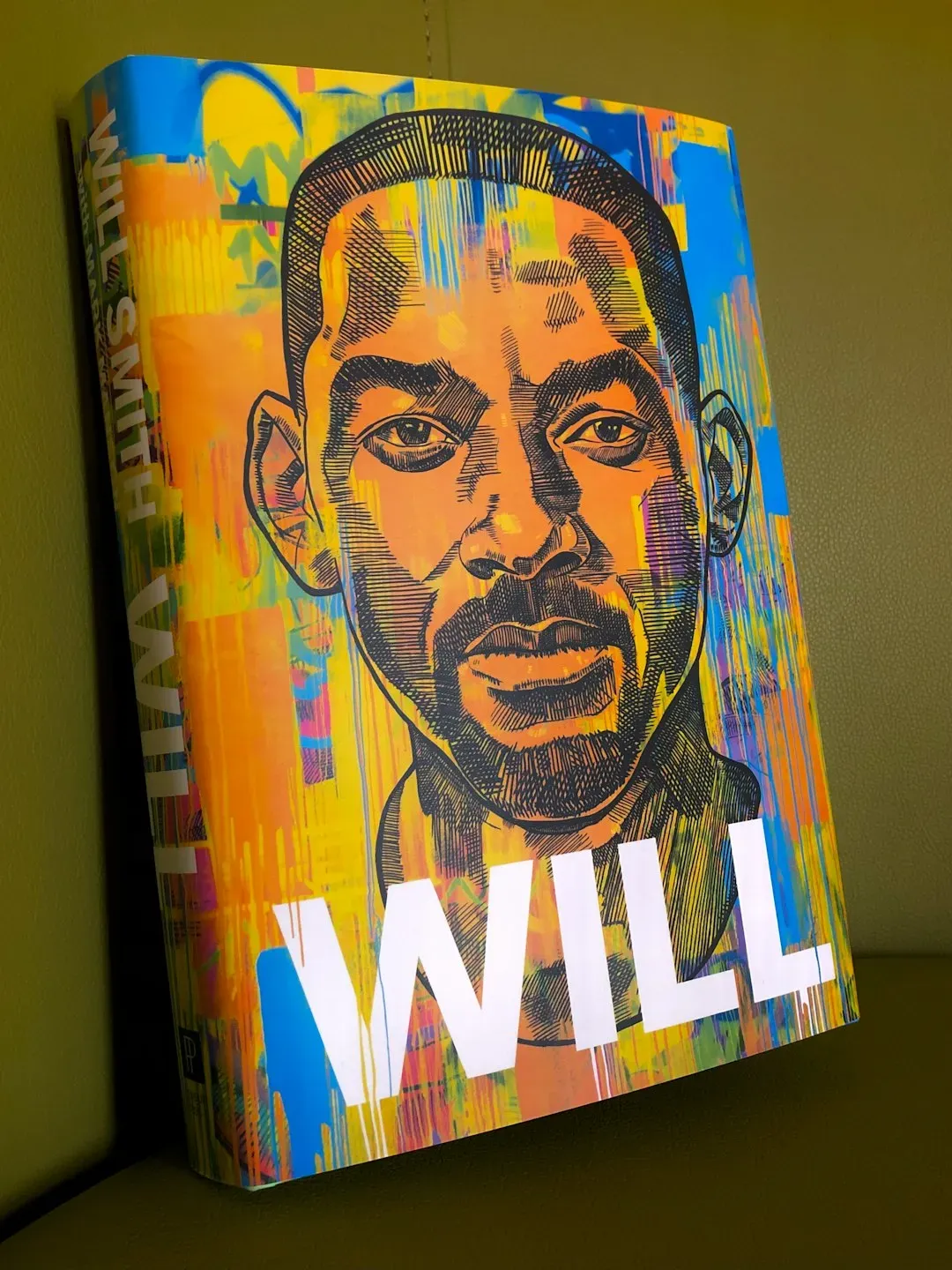
Richard Matheson’s 1954 novel gave the world Robert Neville, the last human survivor in a city overrun by vampiric creatures, but the film adaptation changed nearly everything about how that story concludes. In the book, Neville is ultimately executed by the vampires for crimes he has committed against them, realizing as he dies that he has become the boogeyman to their new society. The theatrical version of the film went a very different direction, with Neville sacrificing himself using a grenade to save two other survivors while destroying the infected creatures around him.
The creatures themselves were reimagined too. The most significant departure from the book is the portrayal of the monsters, since the film’s infected are not intelligent vampires but rather zombie-like beings driven purely by aggression. That change mattered more than it might seem, since Matheson’s vampires were capable of forming their own society, which is what gives the novel’s title its ironic, tragic meaning. Interestingly, director Francis Lawrence has since said he regrets not sticking closer to Matheson’s ending, even though test audiences at the time reportedly rejected an alternate cut that leaned in that direction.
Blade Runner (1982)
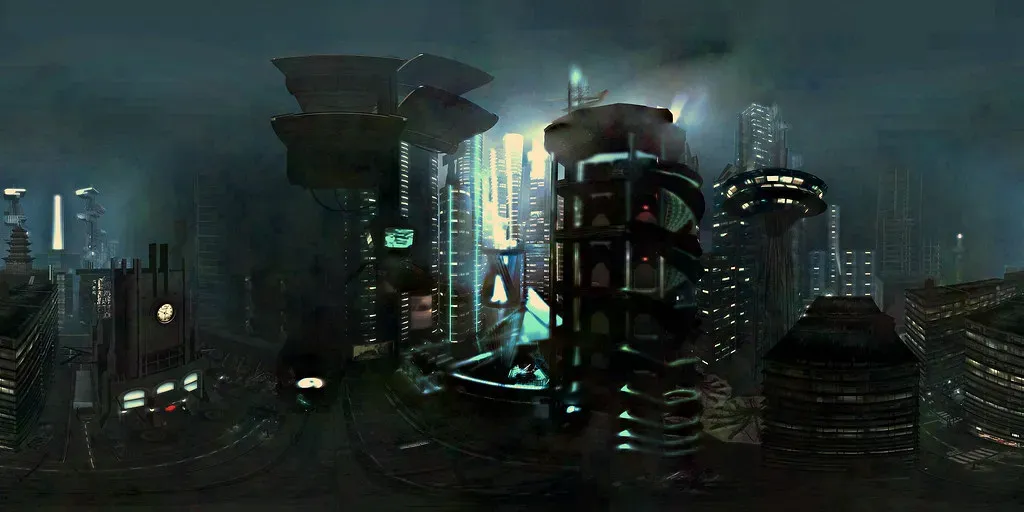
Ridley Scott’s film draws its premise from Philip K. Dick’s novel Do Androids Dream of Electric Sheep?, but the two works read almost like separate stories set in a shared universe. Dick’s book spends significant time on invented cultural details like Mercerism, a synthetic religion practiced through an empathy box, and the mood organ, a device people use to dial in their emotions, none of which appear anywhere in the film. Deckard’s home life is also far more developed on the page, including a wife named Iran, a detail the movie drops entirely in favor of a lonelier, more isolated protagonist.
Tonally, the film leans into noir atmosphere and moody visuals, while the novel spends more time exploring questions about empathy, authenticity, and what separates humans from androids through internal monologue and social commentary. The movie’s ambiguous suggestion that Deckard himself might be a replicant became one of its most debated features, an idea that isn’t really present in the same form in Dick’s original text. What began as a fairly talky philosophical science fiction novel became, on screen, a visually driven meditation on humanity told mostly through mood and atmosphere rather than dialogue.
Mary Poppins (1964)
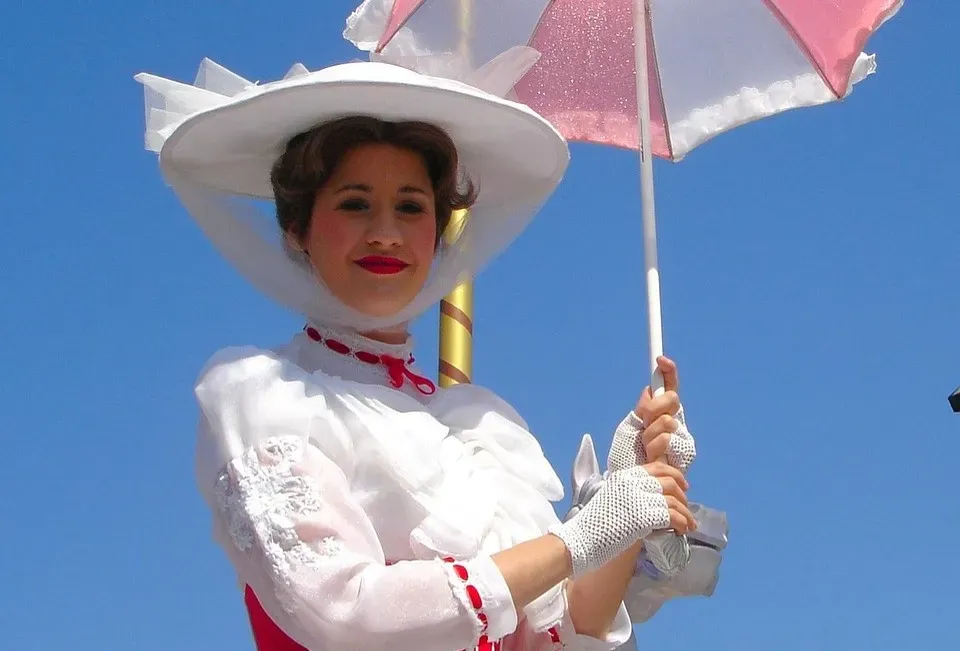
Disney’s cheerful, singing nanny bears only a passing resemblance to the character P.L. Travers created across her original book series. Travers’s Mary Poppins is vain, brisk, and often quite stern, a magical figure who never fully explains herself and rarely softens toward the children in her care the way Julie Andrews’s version does on screen. The books also weave together a series of largely self contained adventures rather than the tighter, more sentimental family narrative the film builds around George Banks and his troubled relationship with his children.
Travers was famously unhappy with how her creation was translated to the screen, particularly the decision to blend live action with animated sequences and to soften the character’s edges into something warmer and more conventionally likable. That friction between author and studio became well known enough that it later formed the basis of the 2013 film Saving Mr. Banks, which dramatized Travers’s tense collaboration with Walt Disney during the making of the original movie. The Disney version remains beloved decades later, but readers who pick up Travers’s books often find a stranger, sharper character than the one they remember from the screen.
Who Framed Roger Rabbit (1988)
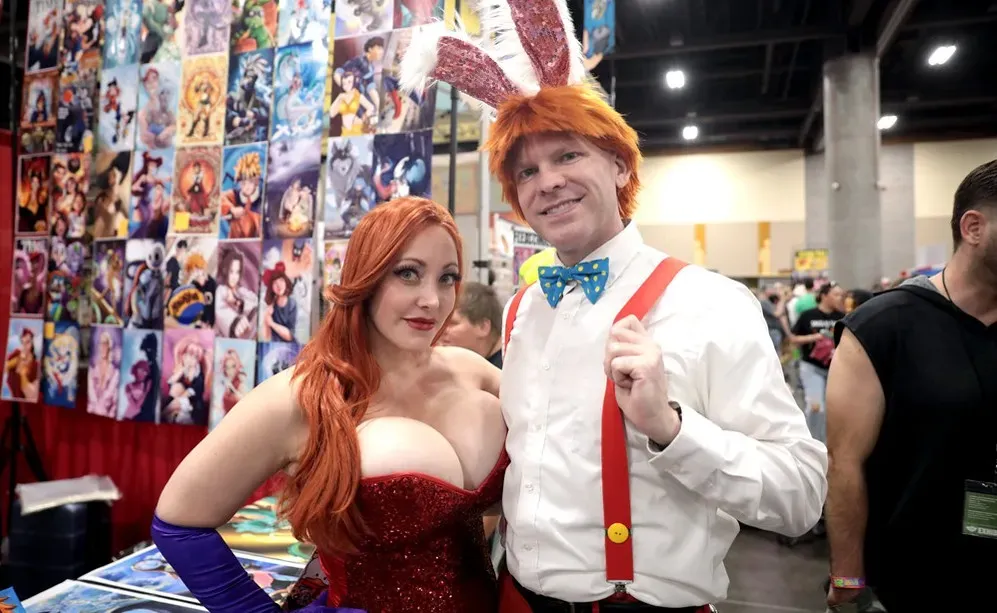
The Robert Zemeckis film blending animation and live action noir was loosely based on Gary K. Wolf’s 1981 novel Who Censored Roger Rabbit?, and the differences start almost immediately. In Wolf’s book, Roger is murdered fairly early in the story, turning the plot into a proper whodunit investigated by private eye Eddie Valiant, rather than the frame up mystery that drives the film’s central plot. The mechanics of the toon world differ too, since in the novel, cartoon characters speak through comic strip style word balloons that physically appear above their heads and can be read, touched, or even saved as evidence.
Jessica Rabbit’s role and characterization also shift considerably between versions, and the overall tone of the book leans harder into hardboiled detective fiction than the film’s blend of slapstick comedy and noir pastiche. Toontown itself is portrayed differently as well, integrated more directly into the fabric of the city rather than existing as the separate, fantastical district audiences remember from the movie. The film kept the central idea of toons and humans coexisting, but reshaped nearly every plot mechanism around it to fit a more family friendly, visually driven adventure.