Hollywood loves to pretend its finished films spring fully formed from a director’s vision, but the truth is messier and far more interesting. Long before a movie reaches theaters, studios often show a rough cut to a room full of strangers armed with comment cards, and those strangers have quietly rewritten some of the most iconic scenes in cinema. Sometimes the changes were minor tweaks. Other times, they completely flipped the meaning of the story, turned tragedies into triumphs, or saved characters who were originally meant to die.
What follows are nine well-documented cases where test screenings didn’t just tweak a movie, they reshaped its entire ending. Each one comes with its own strange backstory, its own reluctant filmmaker, and its own lesson about what happens when art collides with a scorecard.
1. I Am Legend (2007)

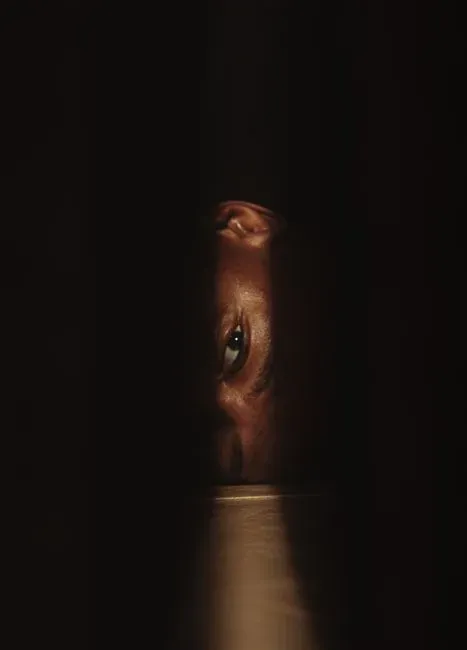
Will Smith has openly discussed how the original ending of this post-apocalyptic thriller stayed faithful to Richard Matheson’s source novel, where Robert Neville realizes the infected “Darkseekers” are simply trying to survive and are not the true monsters of the story. The original ending had Robert come across a Darkseeker seemingly trying to rescue a captive mutant, realizing that Darkseekers are also trying to survive the apocalypse, and a remorseful Robert ultimately decides to let the Darkseekers go. Test audiences did not take kindly to this twist at all.
According to Smith, the reaction was unlike anything he had experienced. Smith added that the movie scored 51 in the top two boxes while the complaints were all about the ending. Screenwriter Akiva Goldsman later confirmed the studio scrambled to fix it, explaining that “Everybody in the testing audience said, ‘No, no, no.’ So we went and reshot an ending where, weirdly, Will dies, but mankind is saved. That was considered a happier ending.” The swap happened just weeks before release.
2. Fatal Attraction (1987)

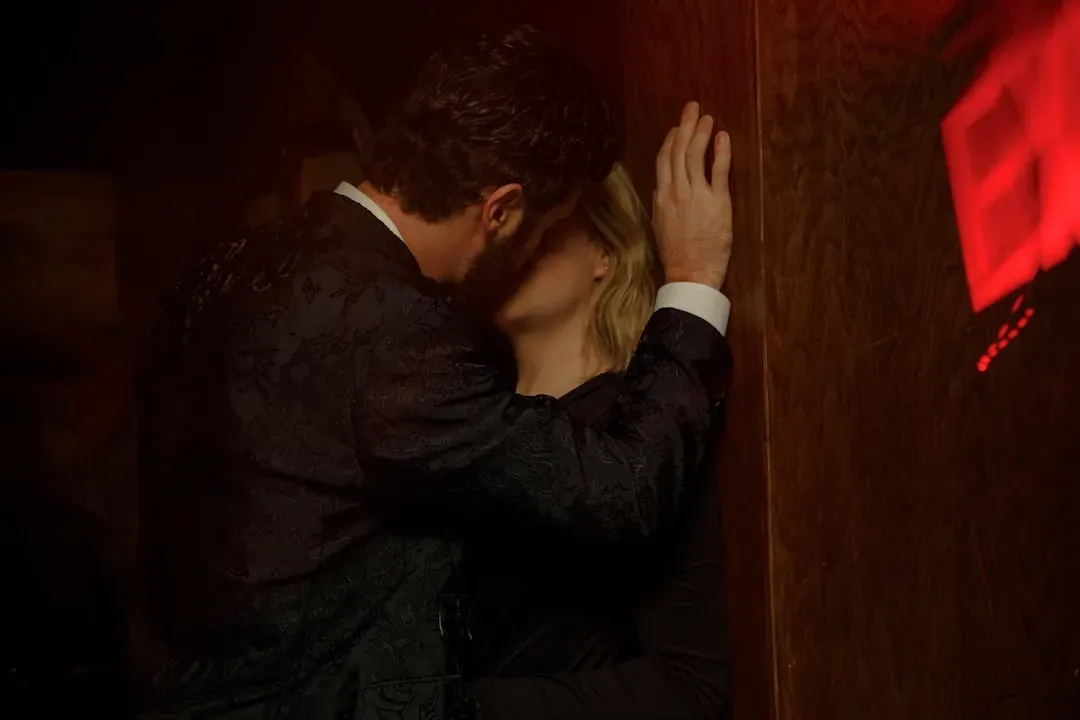
Adrian Lyne’s psychological thriller almost ended on a much quieter, more literary note. Test audiences didn’t like the original ending of Fatal Attraction, which featured Alex taking her own life and framing Dan for her murder, ensuring his fingerprints were on the knife, which allowed police to charge him for the crime. The scene was even built around a nod to the opera Madama Butterfly, a detail Glenn Close loved and fought to keep.
Preview crowds simply weren’t satisfied with that kind of ambiguous, downbeat resolution. Fatal Attraction’s original ending dissatisfied test audiences, who felt that Alex deserved a more violent demise for her disturbing actions. Lyne eventually agreed the footage wasn’t working regardless of audience politics, later admitting “The other ending felt flat – it’s as simple as that.” The reshot climax, with a knife-wielding confrontation and a bathtub scare, became one of the most talked-about endings of the decade.
3. First Blood (1982)

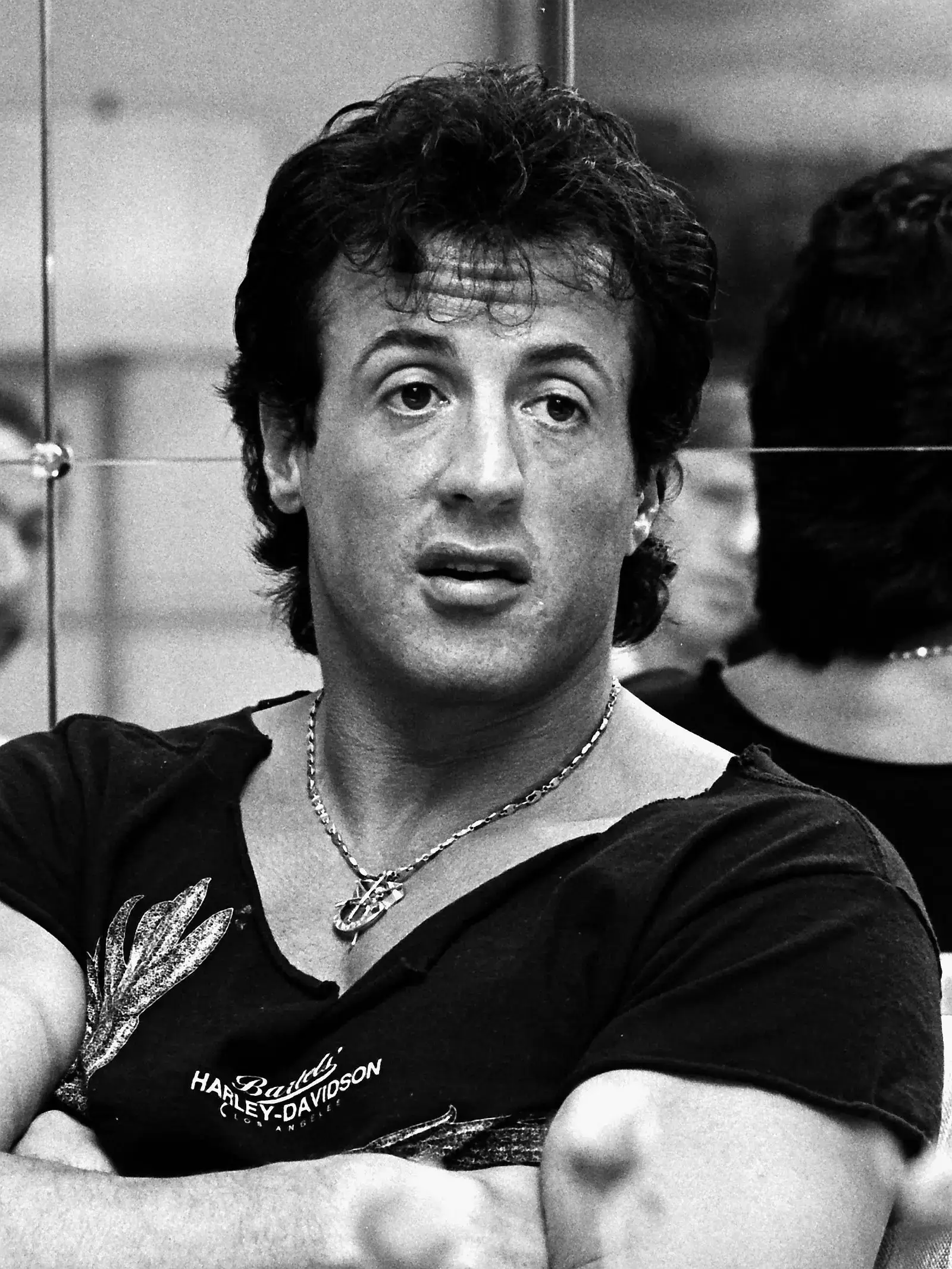
Before John Rambo became an indestructible action hero across four sequels, he was supposed to die in the very first film. The first scripted and filmed ending saw the trapped Rambo pleading with Trautman to kill him, telling him he couldn’t spend the rest of his life in a cell. The scene, shot and edited, matched the bleak tone of David Morrell’s original novel.
Sylvester Stallone reportedly had second thoughts on set, but it was a Nevada test screening that sealed the ending’s fate. When First Blood screened for a Las Vegas test audience, they were violently opposed to seeing Stallone get killed. The filmmakers swapped in the survival ending, and the choice ended up launching one of the biggest action franchises in Hollywood history.
4. Little Shop of Horrors (1986)

Director Frank Oz initially stayed loyal to the stage musical’s ending, in which both lead characters die and the carnivorous plant Audrey II wins. It reportedly tested well right up until that final act. Little Shop played like gangbusters during test screenings, until that ending, and audiences wouldn’t accept seeing the two leads die.
Oz wasn’t convinced by a single bad reaction, so he tried again with a different crowd. Oz requested a second test screening just to make sure, and got the same response from a different audience, so he reshot a new ending in which Seymour electrocutes Audrey II and lives happily ever after with Audrey. The darker original cut wasn’t lost forever, since the original dark ending was eventually restored and released as a bonus feature on Blu-ray.
5. World War Z (2013)

Brad Pitt’s zombie epic went through one of the most expensive ending overhauls in modern blockbuster history. The film originally built toward a massive battle sequence rather than the quiet lab-set finale audiences eventually saw. Fox was one casualty of the movie’s reshoots, which originally involved Gerry landing in Russia after escaping Jerusalem, forced to fight zombies and lead a unit of zombie killers, culminating with an epic battle in Red Square.
Studio executives realized something was deeply wrong after watching an early cut. Paramount’s production president recalled thinking “It was, like, Wow. The ending of our movie doesn’t work.” Screenwriters Damon Lindelof and Drew Goddard were brought in for emergency rewrites, and this original third act proved somewhat disastrous during test screenings, so a new ending was shot that involved Gerry traveling to a World Health Organization center in Cardiff. The rescue effort added tens of millions to the budget but arguably saved the movie.
6. Blade Runner (1982)

Ridley Scott’s science fiction classic is one of the most famous casualties of studio-mandated test screenings, though it has become such common film-history knowledge that it barely needs repeating: the theatrical cut added a detective-style voiceover narration and an unexpectedly sunny ending, both driven largely by nervous studio executives reacting to lukewarm preview audiences confused by the film’s ambiguity. Warner Bros. worried moviegoers wouldn’t understand or accept the bleak, open-ended tone Scott had intended.
It took until 1992, and later a definitive 2007 “Final Cut,” for Scott to release the version stripped of that narration and tacked-on optimism, restoring the ambiguous tone he always wanted. The saga of Blade Runner’s editing room battles remains one of the clearest examples of test audiences reshaping not just a scene, but the entire emotional register of a film.
7. Pretty in Pink (1986)

John Hughes originally wrote this teen romance to end with Molly Ringwald’s Andie choosing her loyal best friend Duckie over the wealthy, popular Blane. It matched the underdog spirit of Hughes’s other films from the era. Preview audiences, however, had other feelings entirely about who deserved the girl.
The backlash was strong enough that reshoots became necessary before release. Pretty in Pink initially had Andie and Duckie as the movie’s one true pairing until test audiences revolted. The filmmakers reshot the prom finale so Andie ends up with Blane instead, a change that still divides fans of the film decades later, some of whom still feel Duckie was the rightful romantic lead all along.
8. Pretty Woman (1990)

Few people remember that this beloved romantic comedy started life as a much darker screenplay, originally titled “3000,” about the harsh realities of life on the streets for a sex worker in Los Angeles. The original ending had no fairy-tale rescue at all; Edward simply pays Vivian and drives away, leaving her to fend for herself with the money in hand.
Test audiences and studio executives pushed hard for a warmer, more commercially friendly resolution, and Disney’s Touchstone Pictures reworked the entire script into the glossy Cinderella story that became a massive box office hit. The finished film, complete with the limousine, the rose, and the fire escape, bears almost no resemblance in tone to where the project began, and that dramatic pivot is widely credited with turning a bleak drama into one of the most successful romantic comedies of all time.
9. 28 Days Later (2002)

Danny Boyle’s zombie horror film was shot with more than one possible ending in mind, reportedly including a bleaker version in which Cillian Murphy’s character, Jim, does not survive his final confrontation. 28 Days Later (2002) – Jim was supposed to die is how the film is often summarized in retrospectives on test-screening history, and the alternate, grimmer conclusion later surfaced among the DVD’s bonus features for curious fans.
Boyle ultimately opted for the theatrical ending, which offers survivors a fragile but hopeful future rather than a nihilistic final note. Whether that decision was purely an artistic call or nudged along by preview reactions has been debated by fans for years, but the existence of multiple shot endings shows how much uncertainty surrounded the film’s tone right up until release.
Taken together, these nine stories reveal something surprisingly consistent about how movies get made. Filmmakers pour years into a vision, only to watch a room full of strangers with comment cards reshape the ending in a single evening. Sometimes that intervention saves a film from an anticlimactic finish, as Adrian Lyne would argue happened with Fatal Attraction. Other times, it sands down a rougher, more thematically honest ending in favor of something safer and more commercial, as many still believe happened with I Am Legend and Pretty Woman.
There’s no universal rule for whether test-audience-driven changes make a film better or worse. What is clear is that the movies we think of as finished, polished statements from a singular creative vision are often the result of compromise, panic, and last-minute reshoots. The next time a familiar ending feels a little too neat, it might be worth wondering what darker, stranger version got left on the cutting room floor.
The Real Reason 9 Movie Endings Were Changed After Test Audiences Hated Them