Television history is littered with shows that got the axe right before everything clicked into place. A network loses patience, pulls the plug, and then months or years later the same series turns into a phenomenon somewhere else, on a different platform, with a much bigger audience than anyone expected.
It’s a strange pattern that keeps repeating, from the DVD era all the way through today’s streaming wars. Below are seven shows where cancellation turned out to be the beginning of the real story, not the end of it.
1. Manifest

NBC canceled Manifest in June 2021 after three seasons, citing declining viewership. The timing could not have been more awkward, because the supernatural series hit number one on Netflix in the US the same week it was axed by the network. Fans were left with a cliffhanger and no network willing to keep footing the bill for such an intricate, mythology heavy drama.
Netflix noticed the numbers and acted fast. That performance directly led Netflix to revive the series, ordering a 20-episode fourth and final season, with Part One premiering on November 4, 2022, and Part Two following on June 2, 2023. Even years after its finale, the show did not fade once it wrapped up, instead transitioning into a steady performer that keeps attracting attention well beyond its original run.
2. Lucifer

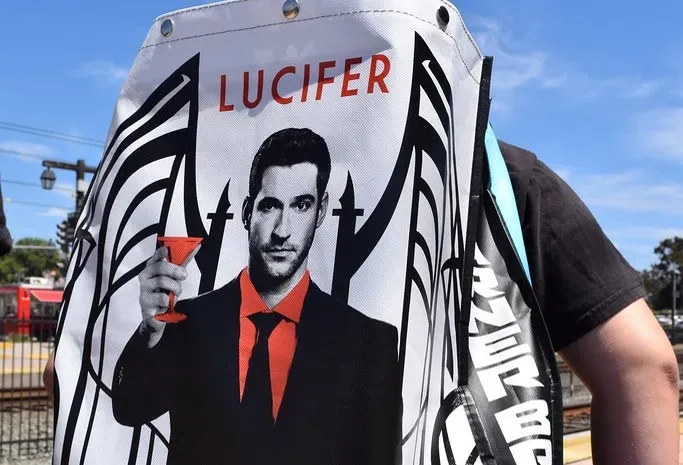
Lucifer looked like a typical mid tier network drama when it got cut loose. Fox canceled Lucifer in 2018 after three seasons due to a drop in viewership ratings, but it did not stay dead for long. A couple of weeks later, Netflix picked up the show after fans led an impressive and passionate campaign on social media to save it.
The move paid off in ways nobody at Fox likely anticipated. Once on Netflix, Lucifer ran for three more seasons from 2019 to 2021, officially ending after six seasons total. Its staying power did not stop there either, since Lucifer was the most-watched superhero show on Netflix from January through June 2025, ahead of titles like The Umbrella Academy.
3. Firefly

Few cancellations sting quite like this one. Fox canceled Firefly in December 2002, after only 11 of the 14 produced episodes had aired. Part of the blame falls on the network itself, since scheduling problems and an out of order broadcast meant the show never got a fair chance to build momentum with a wide audience.
What happened next turned Firefly into one of television’s most enduring underdog stories. The show’s DVD sales were extremely strong, which, coupled with large fan support campaigns, led Universal to greenlight a sequel film, Serenity, released in theaters in 2005. The fandom never really let go either, and more than two decades later, a series famously canceled before it could even air its first full season became an enduring cult hit, with the franchise returning once again this year.
4. Freaks and Geeks

This one is often cited as the gold standard of shows canceled too soon. Freaks and Geeks premiered on NBC in 1999, and the network aired just 12 of the 18 episodes before pulling the series from its schedule due to low ratings. A poor Saturday night time slot and inconsistent airings made it nearly impossible for the show to hold onto viewers week to week.
Its afterlife tells a completely different story than its brief network run. The show launched the careers of future Hollywood stars Seth Rogen, James Franco, and Jason Segel, and today it holds a rare distinction, since it carries a 100 percent certified fresh rating on Rotten Tomatoes and is considered ahead of its time in the world of comedy series. Fans even organized a grassroots campaign nicknamed Operation Haverchuck to try and save it, and though that effort failed, the show never really disappeared from the cultural conversation.
5. Arrested Development


Long before streaming revivals became routine, Arrested Development set the template. Fox had four seasons of low ratings with the show from 2003 to 2006 before it got the ax, and in 2013, Netflix revived Arrested Development for a new run. On network television it was praised by critics but never found the broad audience Fox wanted.
Netflix saw something different in the numbers behind the scenes. The streamer recognized that the show had a big enough cult following, even if it did not pull in huge network viewer numbers, to be worth the investment. The revival introduced Arrested Development to millions of viewers who had never seen a single episode during its original Fox run, turning a cancelled cult favorite into a defining example of what a streaming platform could do for a show a network had given up on.
6. Brooklyn Nine-Nine

Sometimes a cancellation lasts less than a day. Brooklyn Nine-Nine was Fox’s casualty that got resurrected on another platform, since Brooklyn Nine-Nine was picked up for a new 13-episode season on NBC just one month after being canceled. Fans and even fellow celebrities flooded social media practically overnight demanding the show be saved.
That quick rescue turned out to be one of the smartest moves in recent network history. The Nine-Nine went on to run for several more seasons on NBC, growing into one of the more beloved network comedies of its era, praised for its writing, its cast chemistry, and its willingness to tackle serious topics without losing its comedic tone. What started as a Fox cancellation ended up becoming an NBC signature.
7. The Expanse


Hard science fiction is a tough sell for broadcast and cable networks, and The Expanse learned that the hard way. The show found a new home on Amazon shortly after its cancellation by Syfy, part of what was described as a very strong season for canceled shows moving to new platforms. Syfy had built a loyal but modest audience for the series, one that clearly was not enough to justify the show’s production costs on that network.
Amazon’s decision to pick it up gave the story room to breathe and grow. Freed from the constraints of a smaller cable budget, the series expanded its scope and its production values, eventually wrapping its story across six seasons total and earning a reputation as one of the most thoughtfully written science fiction shows of its decade. It remains one of the clearer examples of a cancellation becoming, in hindsight, the moment a show finally found its footing.
Looking back at all seven of these cases, a pattern becomes hard to ignore. Networks tend to make renewal decisions based on narrow ratings windows and advertising math, while streaming platforms and other networks can afford to look at total engagement over a longer stretch of time. That difference in perspective has repeatedly turned what looked like a dead show into one still finding new audiences years, or even decades, after the cancellation notice went out.