The eight moments below aren’t just casting footnotes. They’re the small, unscripted instances where a performer walked in as a relative unknown, or a fading star, and walked out having changed how Hollywood thought about a role, a genre, or sometimes a whole career.
Marlon Brando’s kitchen-table transformation for The Godfather

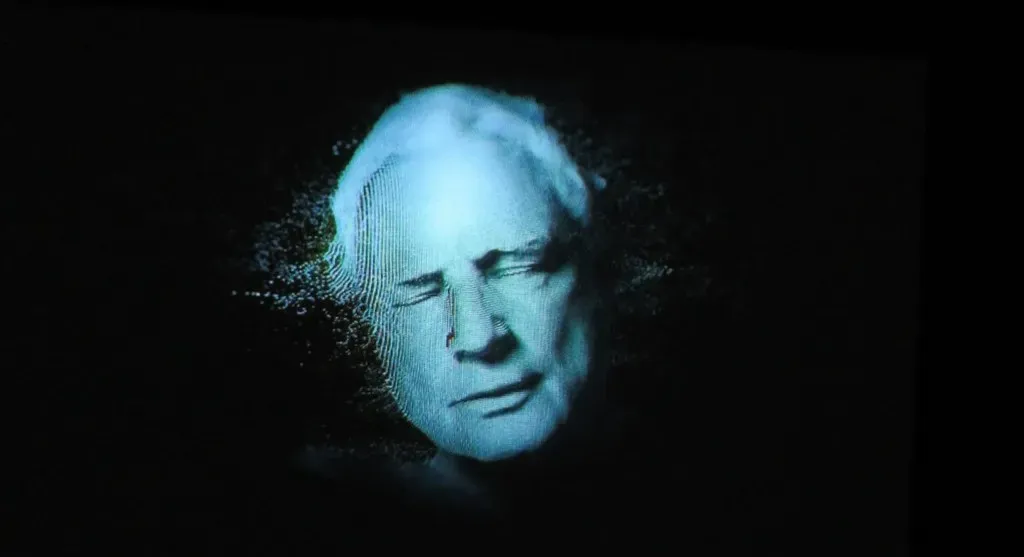
By the early 1970s, Marlon Brando was considered box office poison. He had strung together a series of flops, and Paramount executives wanted almost anyone else for Don Vito Corleone. Paramount initially considered actors like Ernest Borgnine, Orson Welles, Edward G. Robinson, George C. Scott, Burt Lancaster, Anthony Quinn, and Frank Sinatra. Francis Ford Coppola refused to let go of the idea of Brando, even after the studio balked.
Rather than a formal audition, Coppola simply showed up at Brando’s Mulholland Drive home early one morning with props in tow. Coppola brought props like Italian meats, cheeses and cigars, and Brando took the cue, put his hair in a bun and darkened it with shoe polish, then stuffed Kleenex in his mouth and began acting without uttering a word. The improvised transformation, cotton balls and all, convinced a skeptical studio to greenlight one of the most iconic performances in film history.
Sigourney Weaver walks into a set built just for her


In 1978, Sigourney Weaver was a theater actress with almost no film experience, and by her own account, she wasn’t even sure she wanted a movie career. Ridley Scott, however, treated her tryout for Alien like a full production. She recalled that Ridley built an entire set for her just for the audition, saying she was from the theatre and wasn’t even sure she wanted to be in a movie.
The gamble paid off in a way few could have predicted. Weaver, who had Broadway experience but was relatively unknown in film, impressed Scott and the producers with her audition, and she was the last actor cast for the film, performing most of her screen tests in-studio as the sets were still being built. Ripley became one of cinema’s defining action heroines, and Weaver’s willingness to be tested so extensively helped set a new bar for how seriously studios approached casting original characters in genre films.
Robin Williams sits upside down and rewrites the rules

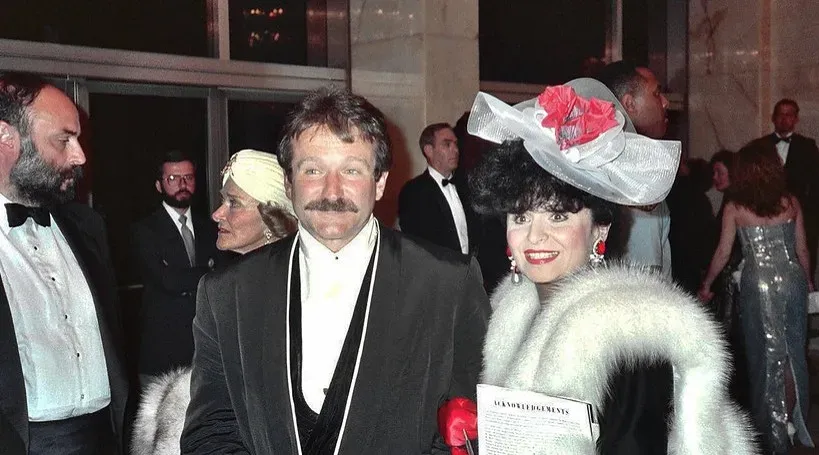
When producers needed someone to play an alien named Mork for a one-off Happy Days episode, several actors had already turned the part down. Dom DeLuise and Roger Rees were offered the role but both passed, and Richard Lewis and Jeff Altman were also considered. Robin Williams, then a mostly unknown stand-up comic, was a last-minute suggestion from a casting agent who had spotted him in an acting class.
What happened next became Hollywood legend. When Williams was asked to take a seat at the audition, he sat on his head, and Marshall cast him on the spot, later wryly commenting that Williams was the only alien who auditioned. That single, strange choice led directly to a spin-off series, Mork & Mindy, and launched one of the most singular comedic careers of the twentieth century.
Julia Roberts has to win the role twice

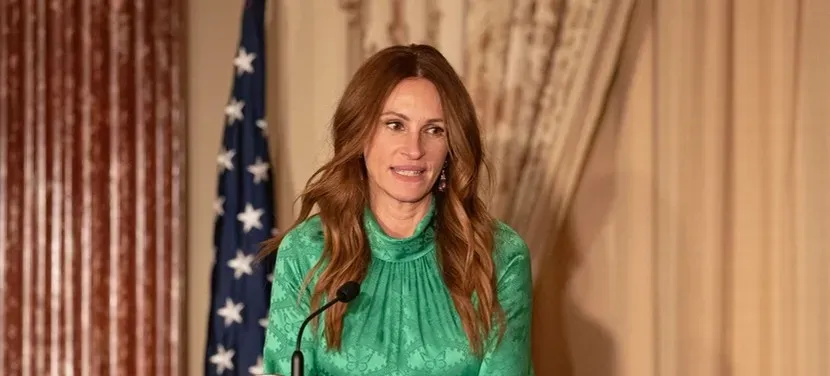
Long before Pretty Woman was a beloved romantic comedy, it was a much darker script called 3,000, and Julia Roberts had already been cast in it. Then the production company collapsed. Julia Roberts won the role of struggling prostitute Vivian Ward, but just three days later she actually lost the job, because the original production company went out of business, and she later said the movie company folded over the weekend and by Monday she didn’t have a job.
When Disney revived the project as a lighter romantic comedy under director Garry Marshall, Roberts had to prove herself all over again. Julia had to audition for the role again after Marshall came on board, since he wanted to look at other Hollywood names. Her chemistry with Richard Gere in that second round of readings ultimately shaped the tone of the entire film, steering it away from its grim original ending toward the fairy tale audiences know today.
Heath Ledger’s quiet meeting reshapes the Joker

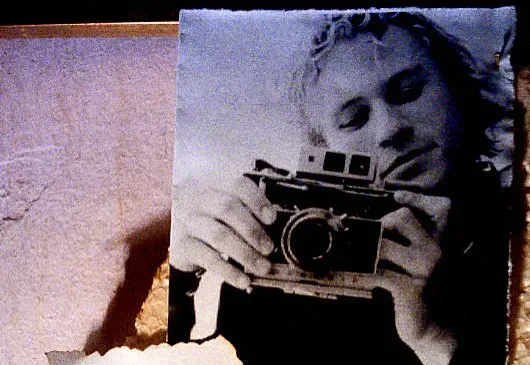
Christopher Nolan’s decision to cast Heath Ledger as the Joker in The Dark Knight was met with widespread skepticism before the film even wrapped. Even those closest to the project admitted they didn’t initially understand it. Jonathan Nolan, who helped write the script, later admitted that both he and Warner Bros. didn’t get Ledger’s casting, recalling that Chris had a good meeting with Heath Ledger and that no one got it, not even the studio.
The backlash from fans was immediate and loud, yet Nolan held firm to his vision for the character. Fans called it a disaster and the worst casting decision ever, but Nolan stuck to his guns, wanting a serious actor who would come in and tear the role apart rather than simply deliver one-liners. Ledger’s performance went on to earn a posthumous Academy Award and permanently changed how comic book villains were approached on screen.
Dustin Hoffman’s awkward energy defines The Graduate

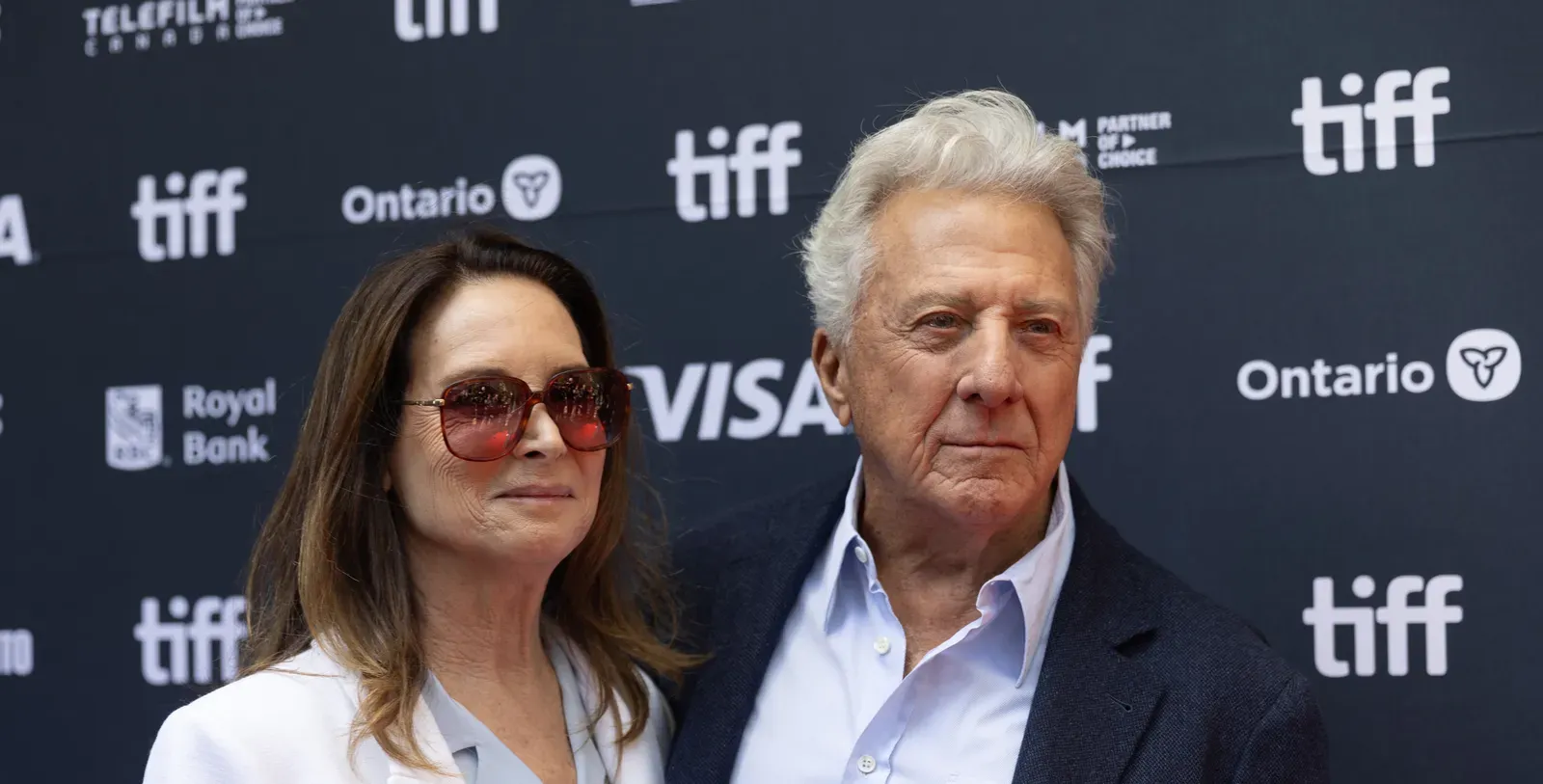
Mike Nichols had a very different physical type in mind when casting Benjamin Braddock for The Graduate in 1967. Studio executives pushed for a conventionally handsome leading man, someone closer to the WASP-y California prep the novel described. Dustin Hoffman, a short, unglamorous stage actor from New York, seemed like an odd fit on paper.
Nichols saw something in Hoffman’s discomfort and awkwardness during the screen test that felt truer to the character’s alienation than a smoother performance would have. That instinct paid off, turning Hoffman into a leading man almost overnight and helping usher in a new era of Hollywood that valued idiosyncratic, less traditionally polished stars. The film’s success helped prove that audiences would follow an unconventional lead if the performance was honest enough.
Sylvester Stallone refuses to let Rocky go without him

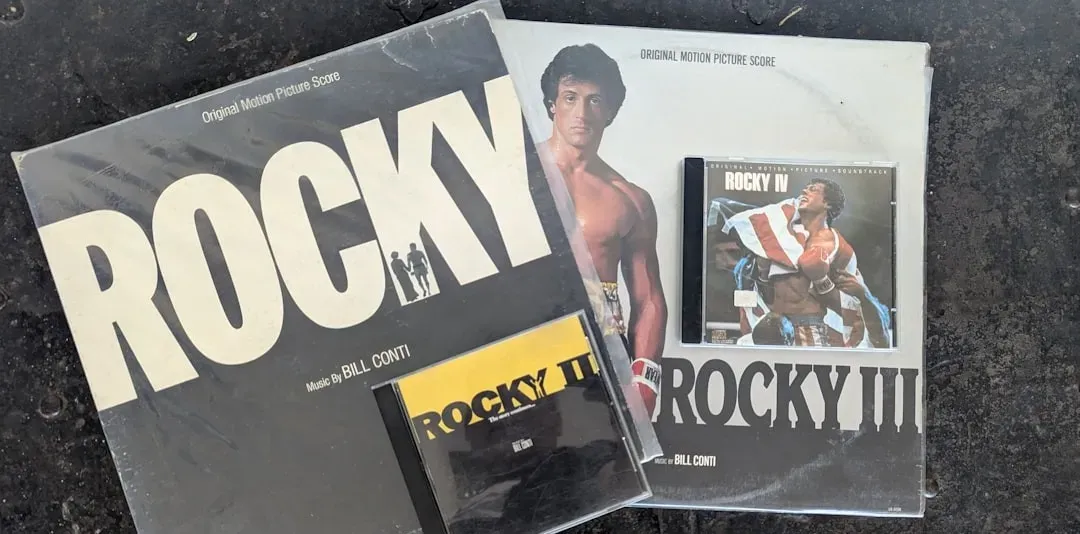
Studios interested in Stallone’s Rocky screenplay in the mid-1970s wanted a recognizable star in the lead role, floating names far bigger than the relatively unknown writer-actor who had penned it. Stallone, however, made it clear during meetings that he would only sell the script if he played Rocky Balboa himself. It was an unusual demand from someone with so little box office leverage at the time.
Producers eventually agreed, partly because the budget constraints made a lesser-known lead more financially palatable. Stallone’s insistence on essentially auditioning for his own script paid off spectacularly, with Rocky winning the Academy Award for Best Picture and establishing Stallone as one of the defining action stars of the following decades. It remains one of the clearest examples of an actor’s persistence directly altering the shape of a franchise.
Johnny Depp’s unconventional pitch for Jack Sparrow

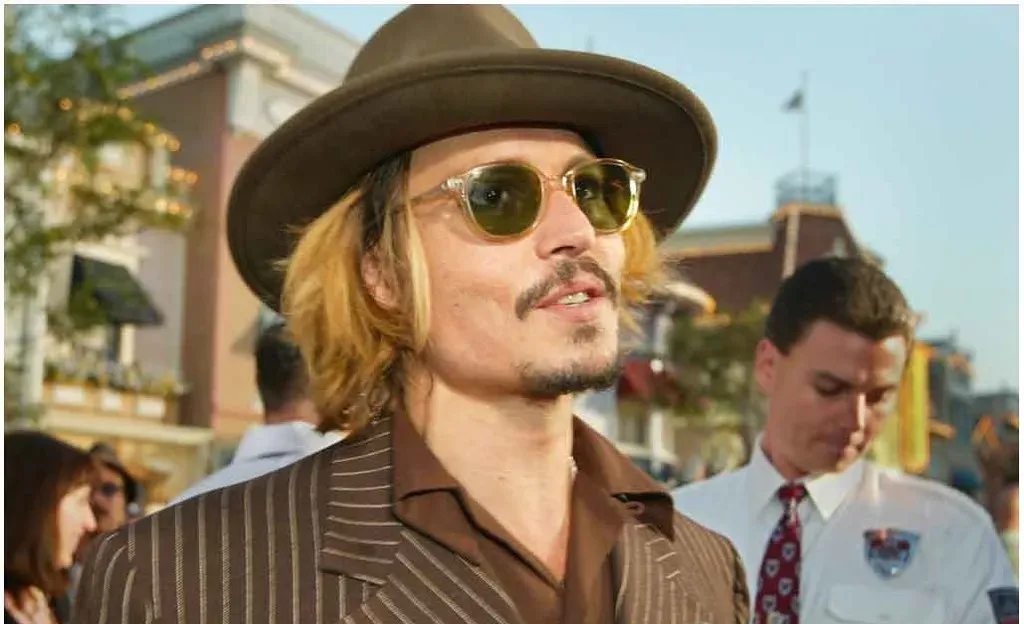
When Johnny Depp brought his ideas for Captain Jack Sparrow to Disney executives ahead of Pirates of the Caribbean, the reaction was reportedly one of confusion rather than enthusiasm. Depp wanted the character to be slurred, unsteady, and eccentric, drawing loosely on rock musician mannerisms rather than the swashbuckling heroics typical of pirate films. Disney worried the performance would confuse family audiences expecting a straightforward adventure lead.
Depp held his ground during the casting process, refusing to soften the character into something more conventional. The gamble transformed what could have been a forgettable theme park tie-in movie into a billion-dollar franchise, and Sparrow’s off-kilter performance earned Depp an Academy Award nomination, a rare feat for a summer blockbuster role. It also demonstrated how a strong-willed performer could push a major studio toward a riskier, more memorable creative choice.
Taken together, these eight moments share a common thread. In each case, the safer, more predictable choice was available and, in several instances, actively preferred by studios or producers. It was the willingness to gamble on something stranger, less polished, or simply unexpected that ended up defining these films, and in turn, reshaping the careers of everyone involved. Auditions are usually forgotten the moment a film wraps, but every so often, the room remembers.