Hey Ya! by OutKast

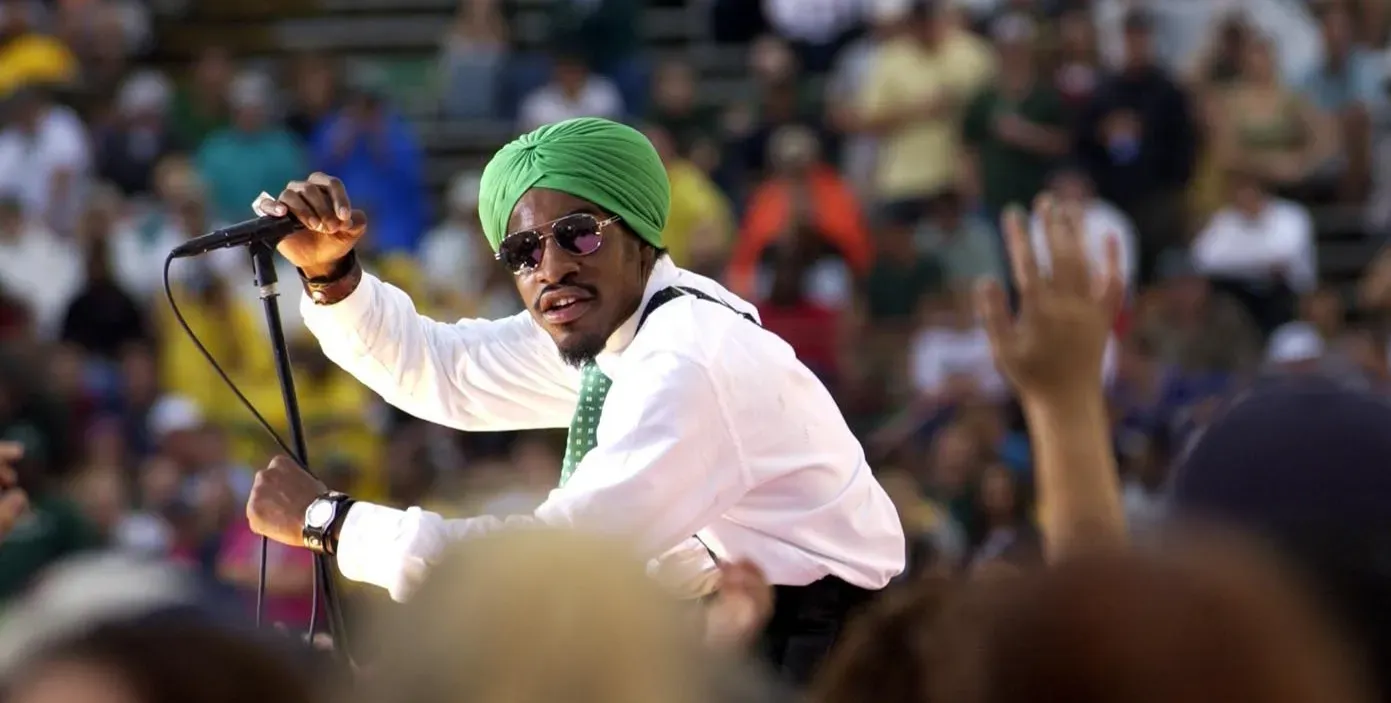
André 3000 wrote and produced this track for Speakerboxxx/The Love Below, and it turned into one of the biggest crossover hits of the decade. The track became a commercial success, reaching number one in the United States, Australia, Canada, the Czech Republic, Norway, and Sweden. Once iTunes started gaining traction, the song found a second life through digital sales. Thanks to the iTunes exposure, “Hey Ya!” became the first song in history to rack up one million downloads, making it the first song to achieve Platinum status as a download.
Critics loved it just as much as the public did. “Hey Ya!” received critical acclaim upon release, and is consistently ranked as one of the greatest songs of , ranking number 10 in Rolling Stone’s 2021 list of the “500 Greatest Songs of All Time.” It also picked up hardware at the Grammys. “Hey Ya!” won the Grammy Award for Best Urban/Alternative Performance.
Crazy in Love by Beyoncé featuring Jay Z

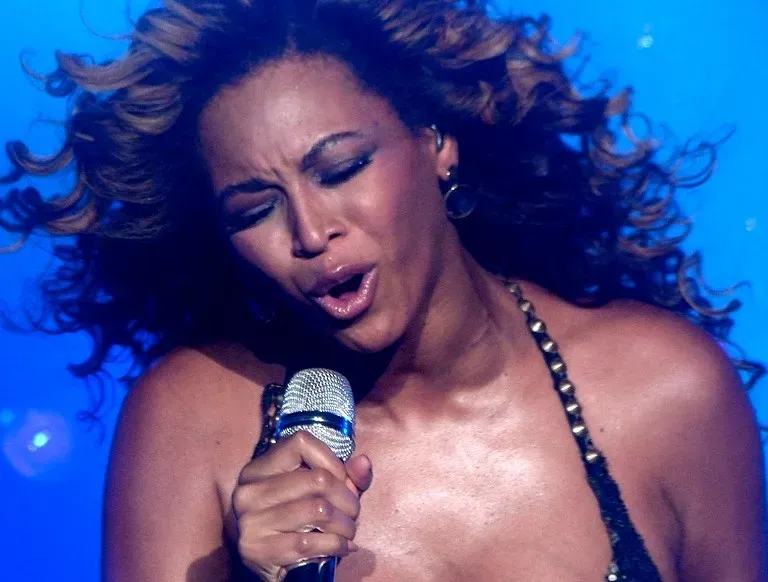
This was the song that turned Beyoncé from a member of Destiny’s Child into a solo force. Producer Rich Harrison built the track around a Chi Lites horn sample, and the result launched her debut album with real momentum. The track, blending R&B with a Chi-Lites sample and horn-driven production, debuted at number 58 on the Billboard Hot 100 and ascended to number 1, where it held for eight consecutive weeks starting July 12, 2003, marking Beyoncé’s first solo chart-topper.
Jay Z’s opening ad libs became almost as iconic as the chorus itself, and the pairing hinted at the relationship the two would later go public with. The Recording Academy took notice too. At the 46th Annual Grammy Awards, it was nominated for three awards and won two: Best R&B Song and Best Rap/Sung Collaboration. Rolling Stone later called it a defining song of the era, cementing its place as one of the decade’s true anthems.
In Da Club by 50 Cent

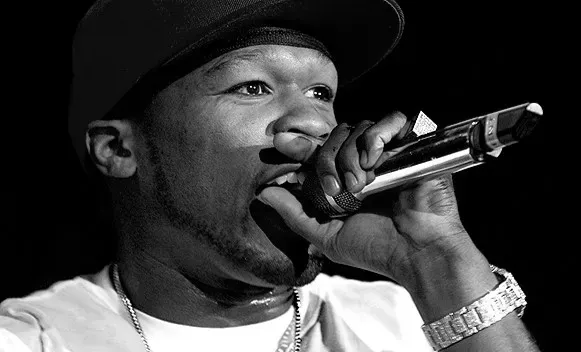
Dr. Dre and Mike Elizondo built a beat that felt inevitable from the first bar, and 50 Cent turned it into the song that announced his arrival. “In da Club” is a song by American rapper 50 Cent from his debut studio album Get Rich or Die Tryin’ (2003), written by 50 Cent alongside producers Dr. Dre and Mike Elizondo, released to digital download in the United States on January 7, 2003, as the album’s lead single and peaked at number one on the US Billboard Hot 100, becoming 50 Cent’s first number-one single. It held that top spot for a remarkably long stretch. 50 Cent began a nine-week reign on the Billboard Hot 100 with “In Da Club,” the rapper’s first of four No. 1 hits.
The song ended up being the biggest single of the entire year. It also ranked first on the Billboard Hot 100 year-end chart in 2003, making it the first gangsta rap song to top the year-end chart in eight years since Coolio’s Gangsta’s Paradise. Its video picked up major hardware too, winning Best Rap Video and Best New Artist at the MTV Video Music Awards that same year.
Toxic by Britney Spears

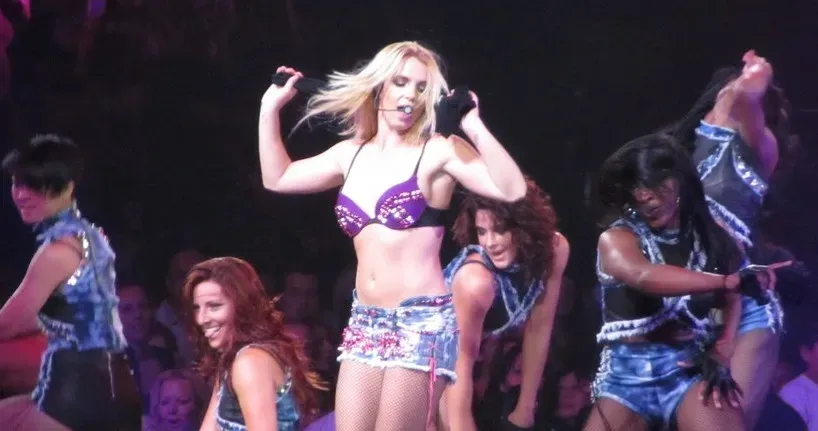
By 2003, Britney Spears had already been a pop fixture for years, but “Toxic” showed a sharper, more theatrical side of her artistry, with strings and surf guitar riffs that felt unlike anything else on radio at the time. The track became one of the most sampled and referenced pop songs of the decade, showing up in film trailers and commercials long after its chart run ended. It also gave Spears a career milestone that had eluded her for years.
Ten years earlier, Britney Spears was finally able to call herself a Grammy-winning superstar when her danger-courting pop stunner “Toxic” won the best dance recording trophy at the 2005 Grammys. Before that night, her track record at the ceremony had been rougher, making the win feel like overdue recognition. The song has aged into something of a genre unto itself, referenced by younger pop artists who grew up on its bent notes and cinematic energy.
Since U Been Gone by Kelly Clarkson

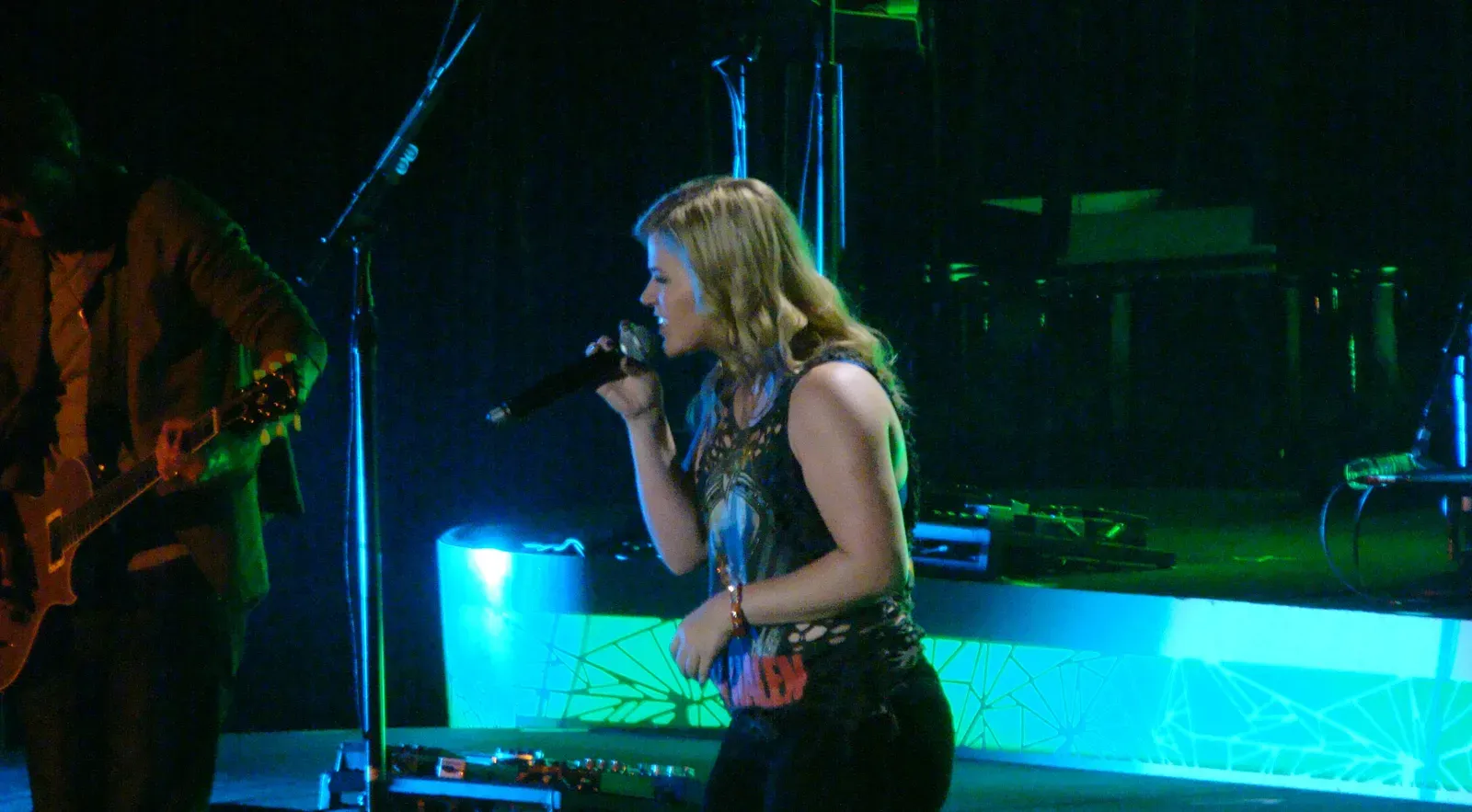
Max Martin and Dr. Luke wrote this one with a specific idea in mind. Songwriters Max Martin and Dr. Luke had been listening to early aughts alt rock like Yeah Yeah Yeahs when Martin settled on a hypothetical: what if a song like that had a soaring chorus, and the result was Kelly Clarkson’s “Since U Been Gone.” Clarkson pushed back on parts of the arrangement during recording, but the finished product turned into a defining pop rock crossover. The pop-rock song was released as the second single from Clarkson’s 2004 album Breakaway and reached No. 2 on the Billboard Hot 100.
It swept the pop charts even without hitting number one on the Hot 100 itself. The song was a hit with both critics and on music charts, reaching a peak of No. 2 on the Billboard Hot 100 chart, while it took the No. 1 spot on the U.S. Pop Songs chart for seven weeks in a row. Two decades later it kept finding new listeners. “Since U Been Gone” won a Grammy Award in 2006 for Best Female Pop Vocal Performance, and its music video won two MTV Video Music Awards in 2005 for Best Female Video and Best Pop Video.
Mr. Brightside by The Killers

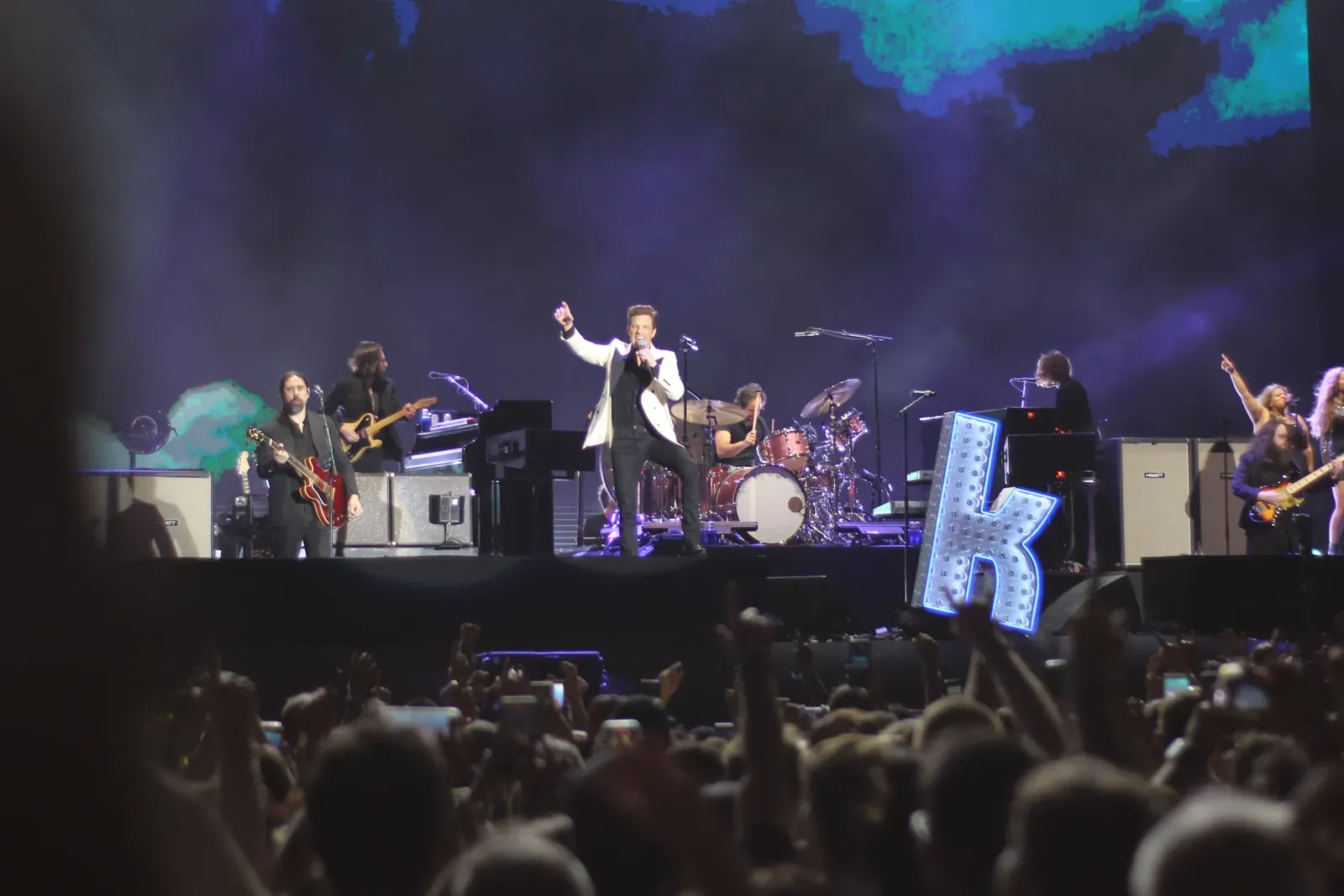
The Killers’ debut single never actually hit number one anywhere major, yet it became one of the most durable songs of the decade anyway. The debut single by the Killers replicates how a whirlwind of emotions can overwhelm you, with a fusillade of post punk inspired rhythm and Brandon Flowers’ insistent and anguished chanting, drawing on Iggy Pop’s delivery on “Sweet Sixteen.” Its staying power turned into something almost unprecedented on UK charts.
The track failed to set the charts on fire but has proven a slow burner, notching 408 weeks on the Official U.K. Singles Chart, almost eight full years, since its release accumulating 5.57 million combined units. That made it a genuine oddity. “Mr Brightside” is now the U.K.’s biggest ever single which didn’t reach No. 1. Two decades on, it remains a guaranteed singalong at festivals and bars, proof that chart position and cultural staying power don’t always line up.
Boulevard of Broken Dreams by Green Day

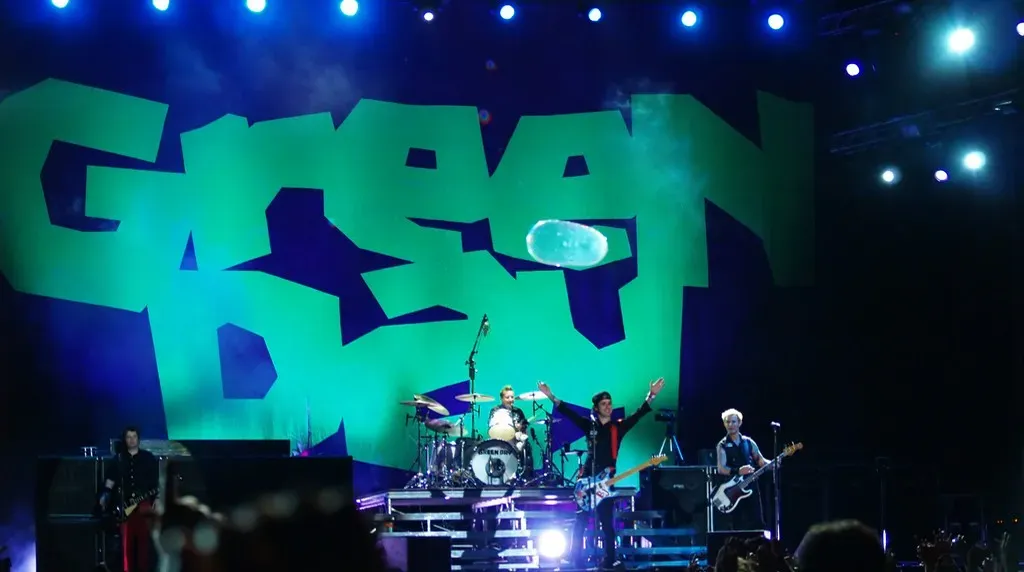
Green Day’s American Idiot album reintroduced the band as something bigger than pop punk, and “Boulevard of Broken Dreams” became its emotional centerpiece. The song’s brooding tone and widescreen production felt like a direct response to the anxious political mood of the mid 2000s. It resonated widely enough to dominate awards season the following year.
Video of the Year, Best Rock Video, Viewer’s Choice Award, Best Group Video, Best Editing, Best Cinematography, and Best Direction at the 2005 MTV Video Music Awards all went to Green Day for “Boulevard of Broken Dreams.” That kind of sweep was rare even for a hit single. The song’s success also helped push American Idiot toward becoming a genuine cultural moment, one that later inspired a Broadway musical adaptation.
Drop It Like It’s Hot by Snoop Dogg featuring Pharrell Williams

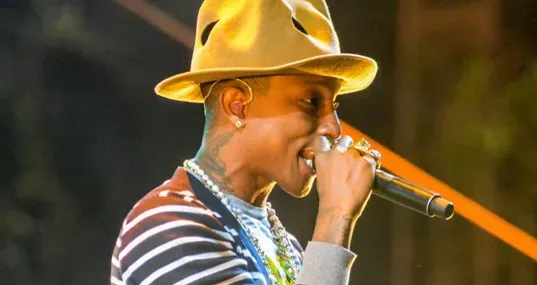
Pharrell Williams and Chad Hugo, working as The Neptunes, stripped this beat down to almost nothing, just tongue clicks, a synth line, and space. That minimalism became the song’s signature and influenced a wave of production that followed it. Snoop Dogg’s laid back delivery over that skeletal beat made the track instantly recognizable within seconds.
The single reached number one on the Billboard Hot 100 in 2004, becoming one of Snoop Dogg’s biggest commercial peaks and a defining example of Pharrell’s production style during that stretch of his career. It later won the Grammy Award for Best Rap/Sung Collaboration. The song’s stripped back sound still gets sampled and referenced by producers who grew up hearing it on the radio.
Umbrella by Rihanna featuring Jay Z

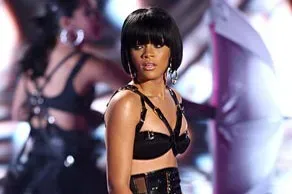
Originally written for other artists, this song eventually found its way to Rihanna and turned her from a promising newcomer into a global star. “Umbrella” is a song by Barbadian singer Rihanna, released worldwide on March 29, 2007, by Def Jam Recordings, as the lead single and opening track from her third studio album, Good Girl Gone Bad. Its chart run was massive on both sides of the Atlantic. It managed to remain atop the UK Singles Chart for 10 consecutive weeks, the longest run at number one for any single of that decade, and it remained atop the U.S. Billboard Hot 100 for seven consecutive weeks.
The song’s success carried into awards season as well. Rihanna, along with collaborator Jay Z, won Best Rap/Sung Collaboration for their massive No. 1 hit “Umbrella,” from RiRi’s 2007 album, Good Girl Gone Bad. Its lasting reputation held up well beyond its chart run. Rihanna’s career has proven to be a whole lot bigger than “Umbrella,” but “Umbrella” still feels like Rihanna’s signature song, her defining statement.
These nine songs came from different corners of the industry, hip hop, pop, rock, and R&B, yet each one managed to break through in a way that still echoes today. Streaming numbers, festival setlists, and wedding playlists keep pulling them back into the present, which is a fairly good measure of what actually defined a decade rather than what critics simply liked at the time.